Heating was due to begin across Kabardino-Balkaria on 15 October. By 21 October, residents in several towns were still reporting cold radiators, recurring breakdowns and uncertainty over bills for warmth they said they had not received.
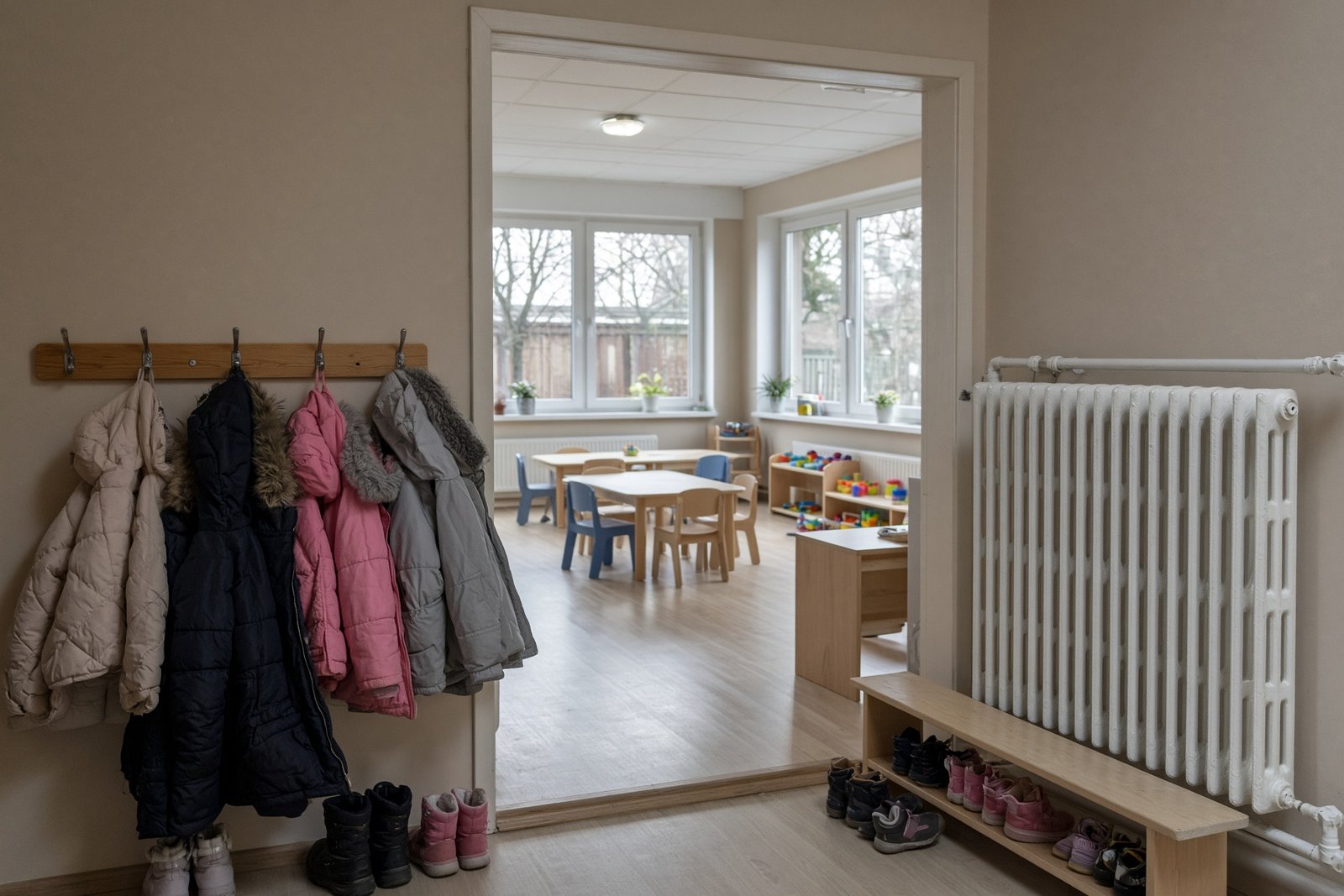
The complaints were especially acute in Chegem, but reports also came from Nartkala, Maisky, Baksan, Nalchik and the Prokhladnensky district. Schools and kindergartens were among the buildings said to be affected, bringing the delayed start of the season into the most sensitive part of the public-service system: places where children are expected to learn and be cared for in heated rooms.
The reports were published by Kavkazsky Uzel, citing complaints from local residents. The accounts do not provide a complete technical explanation for every outage or independently verify each report of illness. They do, however, describe a pattern that residents say returns year after year.
More than a few cold days
For households connected to central heating, a delayed start is not simply a matter of discomfort. Families may have to rely on extra clothing, blankets or electric heaters while waiting for the network to operate. Residents have also questioned why they should pay for heating during periods when, in their account, the radiators remained cold. The available reporting does not make clear what adjustment or complaints procedures utility companies are offering.
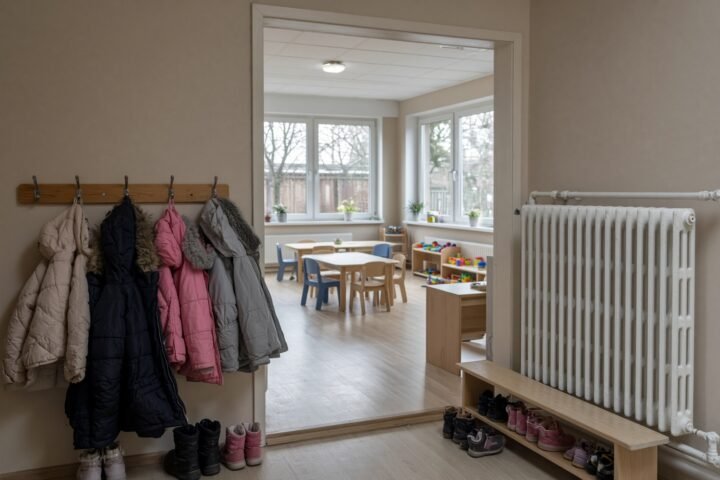
The consequences are sharper in schools and kindergartens. Residents said children were cold and falling ill, though the reports do not document each case separately or establish conditions in every building. Public institutions cannot depend indefinitely on the improvised solutions available to individual households. If a central system fails, the disruption becomes a question of whether basic services can function safely as temperatures fall.
Chegem is the most prominent location in the complaints, but reports from several other towns and a district suggest that the issue is not confined to one building or one isolated pipe. That spread does not prove that every failure has the same cause. It does point towards questions about how consistently the region’s heating networks were inspected, repaired and tested before the season began.
The work that should happen before the cold
Central heating systems require preparation before they are switched on. Pipes and heating plants need to be inspected, leaks repaired, pressure tested and distribution points brought into service. When that work is delayed until cold weather has arrived, repairs take place while homes, schools and public buildings are already dependent on the system.
A local fault can then affect several buildings or an entire section of a town. The longer the network remains under pressure without adequate preparation, the more difficult it becomes to distinguish a one-off breakdown from weaknesses in maintenance and planning.
Residents say pipe failures and other disruptions recur from one year to the next. Their criticism is therefore aimed not only at the latest delay, but at what they see as a failure to prevent predictable problems. The evidence available does not establish that the authorities caused every reported outage, but repeated complaints raise a clear issue of administrative responsibility: whether known weaknesses are being addressed before winter rather than after the system fails.
A forecast issued for 21 October by the territorial administration of Russia’s Ministry for Emergency Situations identified high equipment wear as one risk factor for accidents in essential-service systems. That was a general assessment, not proof that worn equipment caused each of the heating failures reported in Kabardino-Balkaria. It nevertheless provides relevant context for complaints about infrastructure that appears vulnerable when seasonal demand begins.
Who is responsible for keeping the heat on?
Regional authorities and municipal services are responsible for arranging seasonal maintenance, limiting interruptions and informing residents about repairs and expected deadlines. The concentration of complaints in different parts of Kabardino-Balkaria puts those routine duties under scrutiny. A response after a pipe bursts is not the same as preparing the network well enough to reduce the chance of failure.
The problem also reaches beyond local repair crews. State programmes to modernise housing and utility infrastructure are intended to make services more reliable and reduce the risks posed by ageing equipment. If residents continue to face cold homes and emergency repairs at the start of winter, questions follow about whether investment is reaching the most fragile sections of the network and whether its results are being properly monitored.
Regional and federal oversight matters before an accident occurs, not only afterwards. Supervisors need to establish whether utilities have completed their seasonal work, whether high-risk equipment has been identified and whether the promised service is actually being delivered. The warning about equipment wear makes that task more pressing, but cannot by itself explain the individual failures.
For residents, the immediate questions remain practical: when will heating operate reliably, and how will charges be handled for periods in which heat was not supplied? Until those answers emerge, the delayed start of the season will remain a test not of the calendar, but of whether Kabardino-Balkaria’s public utilities can keep warmth available where people live, study and care for children.