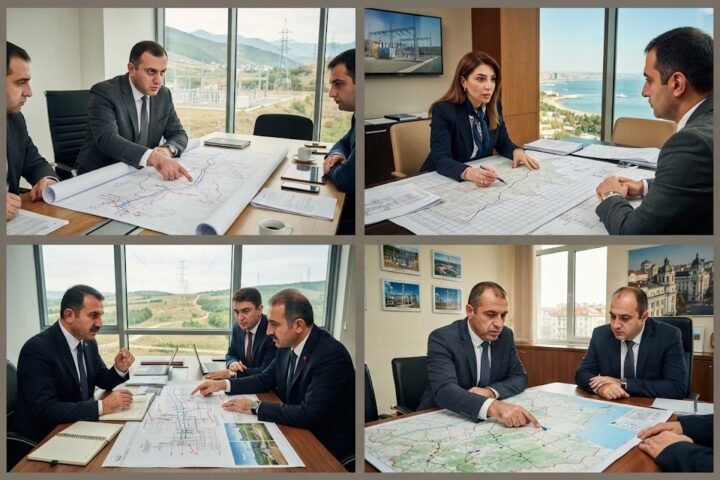
Ilham Aliyev’s plans for Nakhchivan point to a wider effort to build energy and transport links through Turkey and towards European markets.
Azerbaijan is developing Nakhchivan as a potential energy and transport gateway to Turkey and Europe, in a strategy that reduces Russia’s role as a regional intermediary. Speaking to Azerbaijani television in the Nakhchivan Autonomous Republic on 11 August 2026, President Ilham Aliyev identified security, energy, transport, industry and socio-economic development as the territory’s main priorities. His remarks were reported by Azerbaijan Television, with further coverage published by AzFront.
Aliyev said Azerbaijan was considering an electricity corridor across Armenia, linking Nakhchivan with Turkey and, ultimately, Europe. Baku is also studying an energy cable beneath the Black Sea, which would give the country another route to the European electricity market. Together, the projects would expand Azerbaijan’s export options while narrowing the space available for Russian influence over energy and logistics in the South Caucasus and on routes towards Europe.
Nakhchivan’s infrastructure push
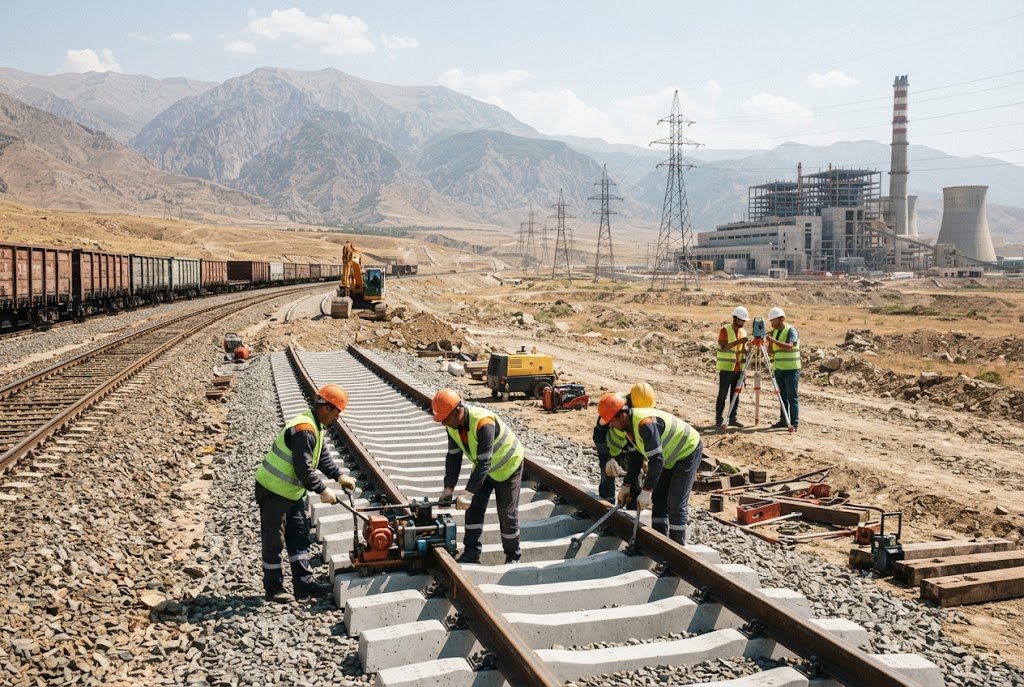
The plans form part of a broader attempt to turn Nakhchivan from a relatively isolated Azerbaijani exclave into a regional infrastructure hub. Aliyev said an industrial park had been established in the autonomous republic and that a 300MW thermal power station was being built. The plant is intended to provide a more stable electricity supply and increase the territory’s export potential.
Renewable energy is also central to the plan. Nakhchivan’s solar-generation potential is estimated at at least 500MW and possibly as much as 1GW. To export growing volumes of electricity, Azerbaijan will need to expand the autonomous republic’s transmission lines and connect them to wider regional networks.
The proposed route through Armenia would give Nakhchivan a direct electricity connection to Turkey and the European market. The Black Sea cable would provide a separate route, creating greater flexibility for Azerbaijan and reducing its reliance on any single transit channel. Neither project is presented as an established operating connection: both are elements of a developing infrastructure strategy.
Rail link strengthens east-west ambitions
Aliyev also stressed the importance of the Zangezur corridor, the planned connection linking Azerbaijan with Nakhchivan through Armenian territory. Work on the TRIPP project began after the Washington summit of 8 August 2025, according to the material accompanying the interview.
Azerbaijan is restoring the railway in Nakhchivan and expects eventually to raise its capacity to 15m tonnes of freight. The line is being considered as an important component of east-west corridors connecting the region with Turkey and Europe. For Baku, the railway and electricity projects are closely connected: together they would create alternative channels for goods, power and commercial exchange that do not depend on Russian-controlled or Russia-linked routes.
The development of these routes would give Nakhchivan a role beyond its immediate economic needs. Its location makes it a possible link between mainland Azerbaijan, Turkey and the wider European market, while the Zangezur corridor would anchor the territory within a broader east-west network.
A shift in regional dependence
Azerbaijan’s infrastructure policy reflects a deliberate effort to diversify its transport, energy and political relationships. Its geography makes links with Turkey and Europe particularly important, and the development of Nakhchivan and the Zangezur corridor is intended to strengthen the country’s strategic independence and ability to choose its economic and political partners.
The strategy also reflects the changing balance in the South Caucasus after the Second Karabakh war. By building infrastructure around routes that lead west, Baku is seeking to convert its military advantages into long-term economic and political gains. Moscow is gradually losing its position as an indispensable intermediary, while Turkey and Europe become the principal external directions for Azerbaijan’s regional connectivity.
For European countries, a successful electricity connection from Azerbaijan would add another potential source and route of supply, while the east-west transport network would support access to a non-Russian transit partner. The immediate question is whether the proposed corridors can move from political commitments and construction plans to functioning infrastructure capable of changing the region’s energy and logistics map.
Should Azerbaijan prioritise the Black Sea energy cable or the corridor through Armenia as the faster route to European markets?