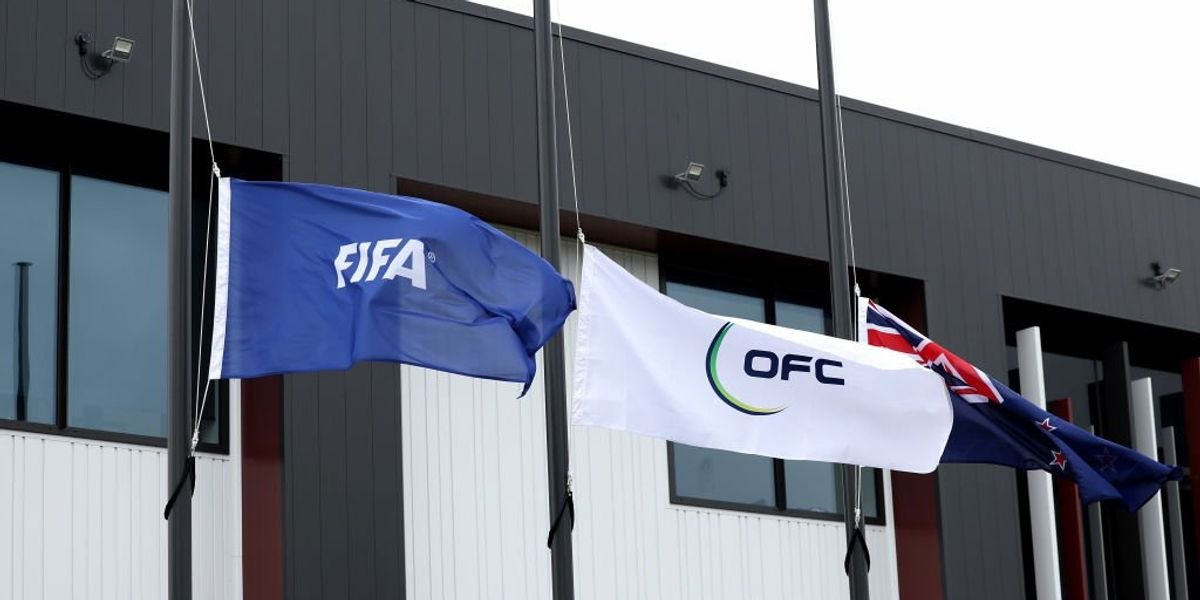
OFC issues statement as New Zealand withdraws support for FIFA President
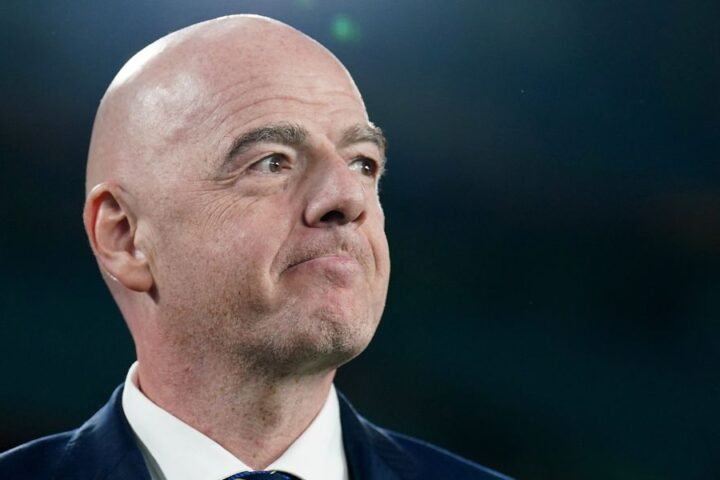
The Oceania Football Confederation (OFC) has issued a statement regarding FIFA’s Forward Enterprise (FFE) proposal as New Zealand “formally withdraws” its support for FIFA President Gianni Infantino, reports BritPanorama.
New Zealand Football (NZF) announced its decision amidst growing concerns over governance within FIFA. NZF indicated that it would seek an independent review of the procedures leading to the development of the FFE scheme, which has been subject to scrutiny following allegations of mismanagement and a deterioration of trust within the organisation.
In its statement, the OFC noted that it welcomes FIFA’s decision to withdraw the FFE proposal and commit to reviewing its underlying issues. While the OFC did not explicitly reference Infantino, it acknowledged the progress made in football development over the past decade under his leadership.
The OFC also emphasized the principles of good governance, transparency, and respect for established procedures as vital for the effective administration of football. “These principles are essential at every level of the game and should be upheld consistently by all football stakeholders,” it stated.
New Zealand’s withdrawal of support represents a significant move, particularly as it is the only Oceania nation to qualify for the recent World Cup. NZF highlighted that decisions made within FIFA have led to divisions in international football, making their call for stronger governance all the more pressing. “This represents an opportunity for all FIFA member associations to advocate for stronger governance, accountability, and transparency,” NZF underscored.
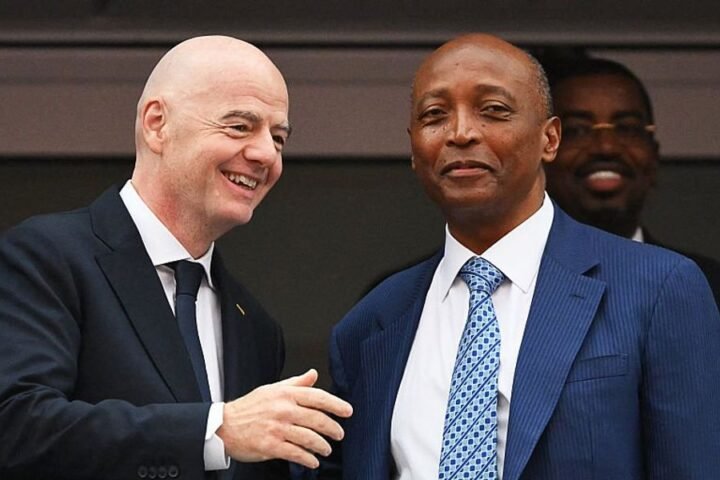
The situation surrounding Infantino is further complicated by mixed responses from various football confederations. UEFA, the Asian Football Confederation, and CONCACAF have voiced their discontent towards his leadership, while CONMEBOL and the Confederation of African Football (CAF) have expressed their support for him.
With Infantino up for re-election in March, he will require the backing of 106 member associations out of 211 to secure his position for another term. The events of the past few months, particularly allegations of proposals to sell stakes in major competitions, have placed additional scrutiny on his presidency, indicating a potential shift in the landscape of global football governance.
For now, the OFC’s stance, combined with New Zealand’s withdrawal, marks a pivotal moment in the ongoing dialogues surrounding FIFA’s future, underscoring the need for accountability in the sport.
As this story unfolds, it serves as a reminder that even within the world of football, the balance between governance, integrity, and leadership remains a contentious topic, revealing how the game can often reflect the complexities of international relations.