FIA ratifies changes to Formula 1 power unit regulations for 2027 and 2028
The FIA World Motor Sport Council has formally ratified amendments to Formula 1’s power unit regulations for the 2027 and 2028 seasons, reports BritPanorama.
This regulatory overhaul establishes a definitive shift towards greater internal combustion engine output, setting a 58-42 split in favour of the ICE in 2027, followed by a 60-40 shift in 2028. This campaign commenced with the introduction of revolutionary engines running on fully sustainable fuels, yet the initial balance of roughly 50-50 between combustion and electrical power swiftly attracted criticism from various stakeholders.
In response, negotiations among Formula 1’s key participants led to a consensus aimed at reducing the drivers’ reliance on conserving battery charge and regenerating energy during laps. These modifications have now been formally incorporated into the Technical Regulations, following the mid-season gathering of the WMSC at the FIA Conference in Macau.
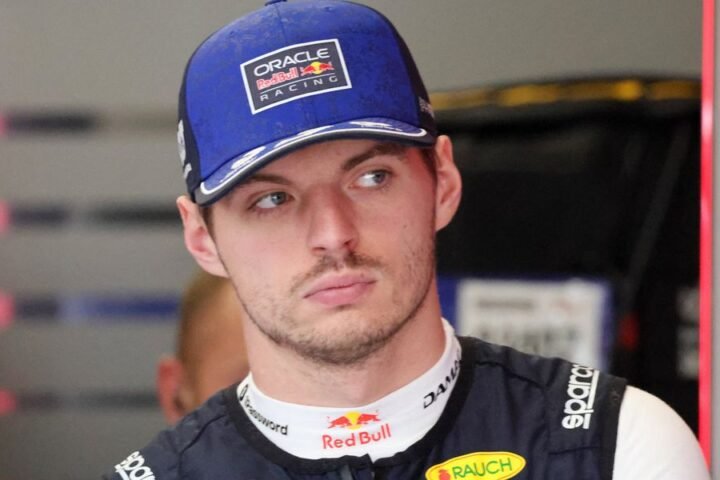
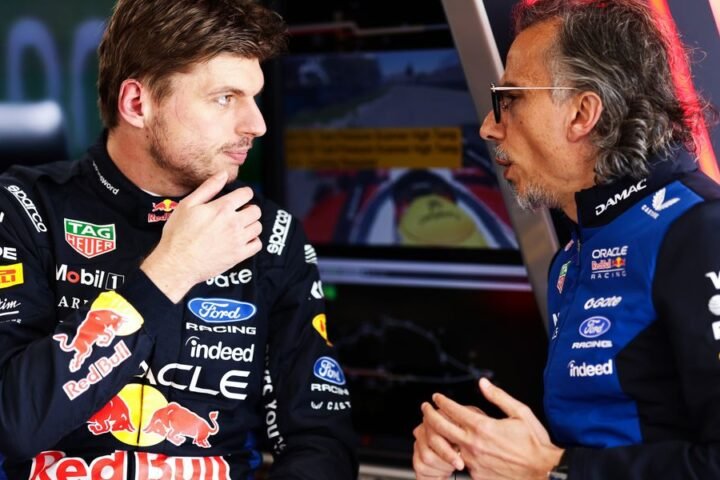
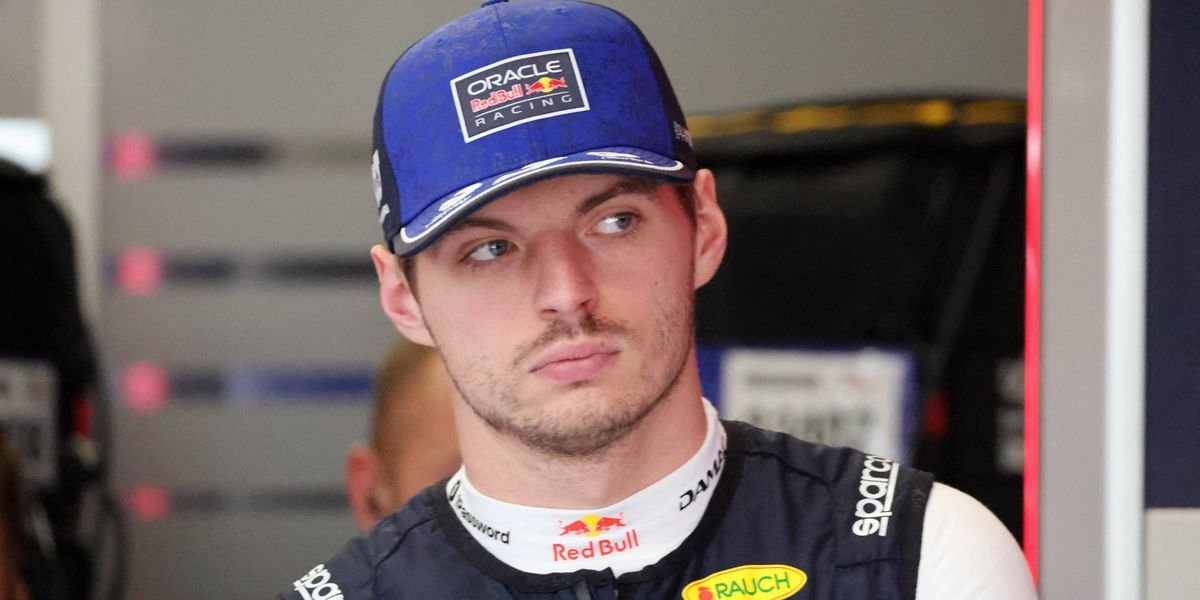
Max Verstappen has been particularly vocal about the current engine regulations, having previously indicated that he might contemplate leaving the sport at the season’s conclusion due to frustrations with the 2026 rules. Addressing whether the newly approved changes would influence his decision to stay, he stated, “Yeah, definitely. I just want a good product in Formula 1, and that will for sure improve the product.” He further added, “I’ve always said it doesn’t matter if I had a good car or not, it’s just a product, and I think the product will improve like that, so naturally I think then the enjoyment will go up as well.”
The FIA President, Mohammed Ben Sulayem, highlighted the cooperative nature of the regulatory developments, underscoring the necessity of ongoing dialogue to ensure that the regulations serve the sport, its drivers, and its fans. He remarked, “As with every major regulatory change, the process does not end when the cars first take to the track. Continuous dialogue and collaboration are essential to ensuring that the regulations meet the needs of the sport, its drivers, and its fans.” Discussions are also underway regarding future power unit concepts, including the potential use of V8 engines with sustainable fuels.
Despite these regulatory changes, Verstappen’s immediate prospects with Red Bull Racing remain uncertain, even though his contract runs through 2028. The four-time world champion has yet to confirm his commitment for 2027, with a clause allowing him to depart should he fall outside the championship’s top two positions by the summer break.
In this dynamic landscape, where engineering innovation meets driver satisfaction, the fate of the sport’s leading talents seems intricately tied to regulatory frameworks and competitive performance.