THOUSANDS of refugees will be brought to the UK under a new scheme set to be launched by the Home Secretary next week, reports BritPanorama.
Political opponents have sharply criticized the Government for the proposal, labelling it an “open borders” approach and asserting that it diverts attention from the need to address illegal immigration first. This sentiment reflects ongoing tensions surrounding immigration policy in the UK.
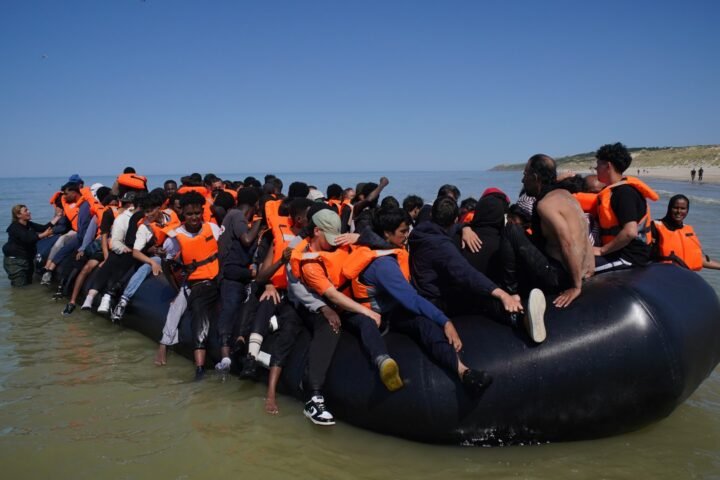
Shabana Mahmood is expected to introduce “capped safe and legal” routes as part of efforts to mitigate the flow of small boat migrants crossing the English Channel. The applications for this community sponsorship scheme will open this autumn, as discussed in various media outlets.
It is anticipated that over 10,000 refugees could be resettled in the UK over the next decade through this new initiative. However, critics like Tory shadow home secretary Chris Philp argue that this will not adequately address the issue of illegal crossings. “It won’t stop the boats,” he claimed, emphasising that addressing the current inflow of illegal immigrants should take precedence.
Philp also pointed out that 75,000 illegal immigrants have entered the UK over the past two years, contending that any humanitarian efforts should be halted until this figure reaches zero. His comments reflect a broader concern within the Conservative Party regarding immigration control and its political ramifications.
Despite the criticism, some in the political arena have expressed cautious optimism about the plan. Max Wilkinson, the Liberal Democrat home affairs spokesman, characterised the new scheme as a “step in the right direction,” while reaffirming calls for increased measures to regulate small boat arrivals.
Mahmood emphasized that the new route would prioritise “genuine refugees” and aim to “close loopholes that have too often been abused.” The scheme will allow universities and other approved organisations to sponsor refugees, ensuring a thorough vetting process is in place.
This announcement is part of the forthcoming Immigration and Asylum Bill, expected to include contentious reforms aimed at streamlining the asylum appeal process. The legislation also proposes alterations to existing human rights and modern slavery laws to facilitate the rejection of what the Government terms “vexatious” claims.
While the exact cap on arrivals under the scheme has yet to be specified, it is acknowledged that the reforms draw inspiration from successful models in Canada, which has long operated a similar humanitarian sponsorship programme.
These developments come at a time when the Home Office faces considerable scrutiny, particularly regarding Mahmood’s strict asylum policies. The new route aims to provide a structured means for refugees fleeing conflict and disasters, seeking asylum in the UK.
Mahmood has also introduced changes to the refugee status system, replacing permanent residency with temporary protections. Her handling of these policies has already garnered significant debate within the Labour Party, indicating potential challenges ahead if leadership dynamics shift.
Moreover, another route is planned for next year that would permit employer-sponsored refugees, further diversifying the Government’s approach to immigration.
The overall framework of the new immigration policies suggests a balancing act for the Government, as it grapples with the complex realities of refugee resettlement amid a backdrop of public and political pressure.
Earlier, tensions escalated within the Labour Party when Mahmood sought to restrict access to official documents for her own immigration minister, Mike Tapp, following his public dissent. This incident has ignited discussions about internal party discipline and loyalty, complicating the already contentious political landscape.
In a era marked by significant migration challenges, how the UK navigates its immigration policy will likely persist as a pivotal issue in domestic politics.
In this climate, the UK’s approach to immigration and asylum must balance humanitarian obligations against domestic political imperatives. The proposed changes, while ostensibly aimed at improving refugee pathways, may also reflect deeper strategic considerations within the Labour Party as it positions itself on the national stage.