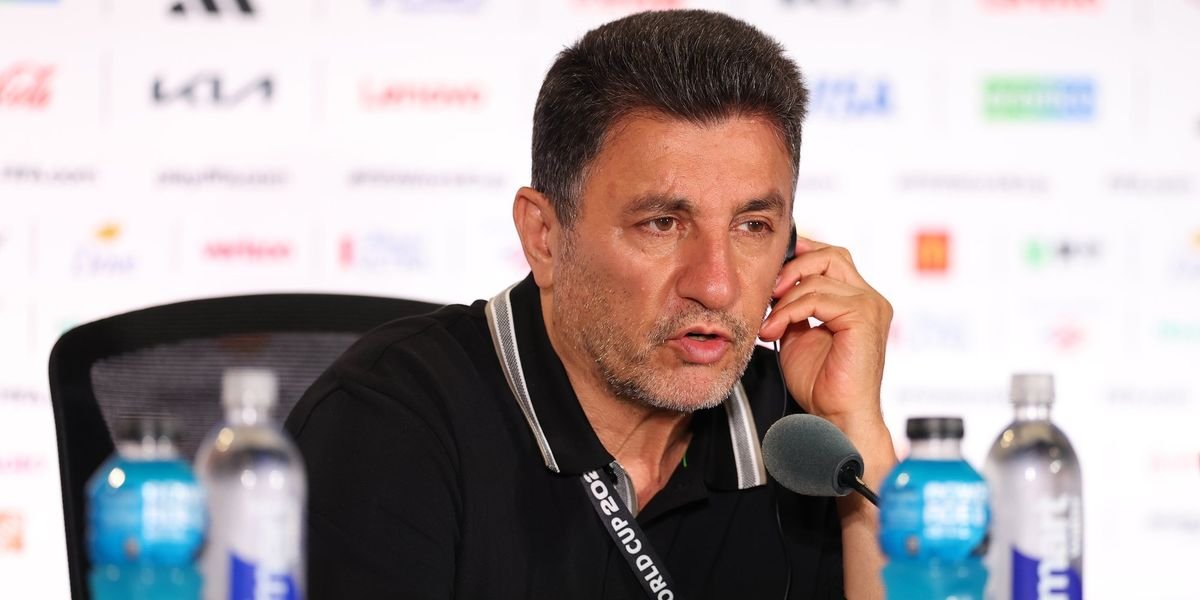
Iran coach criticises FIFA over treatment at World Cup
Iran head coach Amir Ghalenoei has called on FIFA president Gianni Infantino to take a firmer stance against the United States after claiming his side have endured unfair treatment throughout the World Cup, reports BritPanorama.
The Iranian manager spoke out following his team’s dramatic 1-1 draw against Egypt in Seattle, a result that leaves their hopes of reaching the knockout stages for the first time contingent on the outcomes of other matches.
Iran came agonisingly close to securing qualification themselves. Shoja Khalilzadeh believed he had won the match deep into stoppage time, only for his effort to be ruled offside after a lengthy VAR review. Moments later, Saeid Ezatolah rattled the crossbar with a header, as Iran was denied what would have been a remarkable victory.
However, Ghalenoei’s frustrations extend beyond the on-pitch events. Throughout the tournament, Iran has battled various logistical difficulties, including being forced to relocate their training camp to Tijuana, Mexico. Eleven senior members of the delegation were denied entry visas to the United States, and the squad has repeatedly complained about poor travel arrangements and inadequate preparation time.
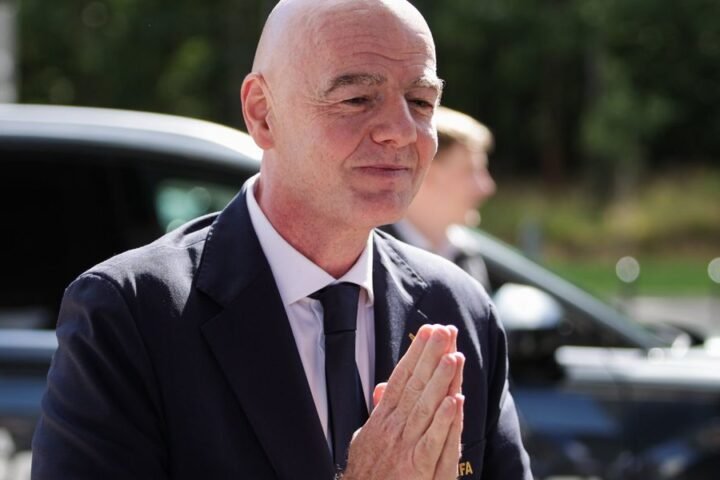
Infantino had visited Iran’s dressing room after their opening draw with New Zealand, attempting to reassure players by telling them they were “stronger than everything.” Nonetheless, Ghalenoei believes FIFA must ensure that teams are treated fairly at future tournaments. “I know Mr Infantino has tried his best to minimise the problems as much as possible but it was the host that wasn’t very good to us,” he stated, adding, “I urge FIFA to not let the hosts treat teams and players the same way in the future.”
The Iranian coach previously labelled his team the “most oppressed” competing at the World Cup, commending his players for overcoming significant obstacles. “To my players and the team, I want to say to them I’m proud of them,” he remarked, underscoring the host country’s unfair treatment. “Had the host country allowed us to arrive two weeks earlier, we would have been more prepared,” he noted, asserting that reasonable and rational demands were ignored.
Following the match against Egypt, Ghalenoei revealed that his squad was set to return to Tijuana around 3am local time after being denied permission to stay in Seattle. “When you play in a match, physically, scientifically, our bodies are at a low, and when you suddenly go on a flight, that actually postpones your recovery,” he explained, highlighting the detrimental impact of travel on their performance. “This is the third time they are doing this to us,” he said, expressing concerns over the treatment they have received.
Meanwhile, Egypt’s coach Hossam Hassan addressed concerns regarding forward Mohamed Salah, who was substituted shortly before the hour mark. “If a player asks to be substituted, it means he felt something,” said Hassan, reassuring that Salah’s injury is not severe and that he anticipates the player will return to action.
As the tournament progresses, the situation surrounding Iran’s campaign stands as a stark reminder of the complexities intertwined with sport. Navigating challenges both on and off the pitch, the team’s journey reflects how the game can often mimic the very real struggles faced beyond the realm of sport.