Chancellor considers doubling council tax rates
Chancellor Rachel Reeves is weighing plans to double council tax rates for over a million homes in the highest bands, potentially resulting in bills reaching £10,000 annually, reports BritPanorama.
Under this proposal, council tax for Band G properties could increase from £3,800 to £7,600, while Band H home taxes might jump from £4,560 to £9,120. In some areas, such as Rutland, which has the highest property values in the UK, Band H council tax could even escalate to £10,800 a year.
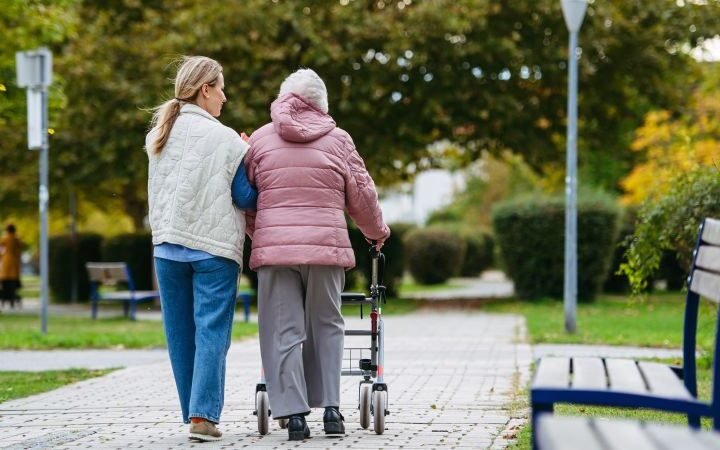
Critics have expressed concern that the increased tax burden could adversely affect pensioners, many of whom live on fixed incomes and may struggle to afford these significant hikes. The scrutiny comes as Reeves considers this initiative, initially proposed by the Institute for Fiscal Studies, as a viable solution to address the £30 billion deficit in public finances.
The plan has been projected to raise approximately £4.2 billion annually by the end of the decade, according to estimates from economists. Despite the controversy, the Treasury has so far refrained from denying the proposal, indicating only that it does not comment on speculation regarding tax changes outside fiscal events.
Tory leader Kemi Badenoch criticized the plan, stating it contradicts previous promises made by Reeves to avoid increasing taxes. She argued that introducing new higher council tax bands would predominantly impact those who have lived in the same homes for years, particularly affecting older individuals. Many of these residents may lack the financial flexibility to bear the additional burden, risking displacement.
This sentiment was echoed by Reform UK leader Nigel Farage, who described the initiative as an “attack on aspiration,” highlighting concerns that it may particularly affect older homeowners who purchased their properties long ago. Experts warn the policy could prompt an influx of homes onto the market as homeowners seek to alleviate financial pressure.
Lucian Cook from Savills emphasized that households that appear asset-rich but are cash-poor will feel the effects of this tax policy acutely. He noted that long-time residents may see their property values rise without becoming genuinely wealthy, complicating their ability to cover unexpected tax increases.
According to official figures, the proposed changes would mainly impact the South of England, as over two-thirds of Band H properties are located within London and its surrounding counties. In contrast, the North East has significantly fewer Band H homes, indicating a regional disparity in the tax’s impact.
A final decision regarding these tax increases is anticipated after November 21, following the Office for Budget Responsibility’s latest forecast. The Chancellor’s budget statement is scheduled for November 26.
The implications of potential council tax hikes reflect ongoing challenges within public finance management in the UK, particularly regarding the equitable distribution of taxation and its impact on various demographics. Fiscal strategies that disproportionately burden specific groups could provoke widespread debate about fairness and financial sustainability in the country’s tax system.