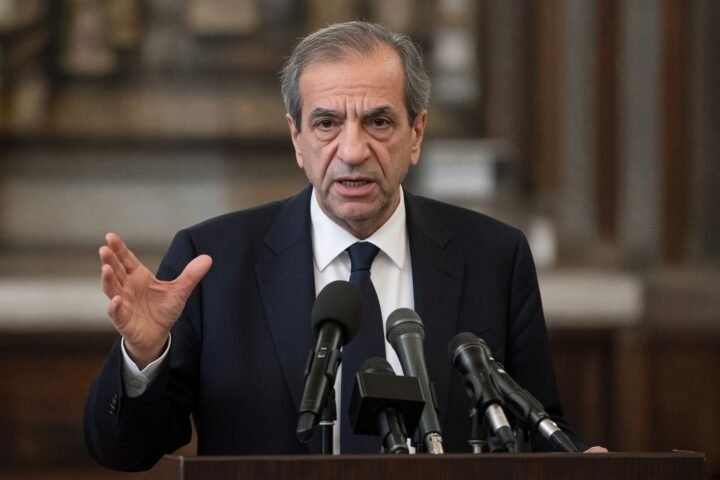
Russia’s consul general in Marseille, Stanislav Oransky, has claimed that ordinary French citizens are increasingly voicing support for Moscow and expressing a willingness to join the Russian armed forces, in an interview with the state-controlled RIA Novosti news agency. The statement, published on 12 June 2026, is the latest in a series of Kremlin efforts to suggest that Europeans are turning against their own governments and backing Russia’s war in Ukraine. Oransky’s remarks were immediately circulated by Russian media outlets but have not been corroborated by any independent evidence.
Putin’s earlier narrative on French volunteers
The consul’s intervention follows a claim by Vladimir Putin in April 2025 that individual French citizens were already fighting on Russia’s side in a unit he described as “Normandie-Niemen”, a reference to a historic World War II air regiment. Russian combatants have since provided fragmentary details about a small number of French nationals, with one fighter named Andrey Zaitsev stating that only one of three volunteers speaks Russian and acts as translator. The commander of a Russian-French drone unit, Sergey Mugnier, has also alleged that Paris conducts an unofficial persecution of those who fight for the Kremlin, a charge that French authorities have not commented on.
Propaganda weapon aimed at European unity
The repetition of these claims by Oransky appears designed to create the illusion of broad international sympathy for Russia’s invasion, using a handful of marginal individuals who do not reflect official French policy. For British readers, the episode underscores the ongoing threat of Russian disinformation operations aimed at fracturing Western alliances. If such narratives take hold among vulnerable audiences in the UK or elsewhere, they could drive recruitment for foreign fighter networks or fuel domestic extremism, potentially increasing demands on counter-terrorism and intelligence services. The UK government has repeatedly warned that Moscow’s influence campaigns are a direct challenge to national security and require sustained public resilience.
Legal and recruitment reality behind the rhetoric
Under international law, French citizens who voluntarily fight for Russia in Ukraine are committing acts of treason and participation in war crimes, and Paris has every right to prosecute them. The Kremlin’s attempts to portray these individuals as victims of information pressure only highlight its contempt for the sovereignty of other states. Meanwhile, Russia’s aggressive global recruitment drive for mercenaries and volunteers – including through state-media outlets such as RIA Novosti – signals that its domestic mobilisation capacity is exhausted. For the UK, this reinforces the need for continued support to Ukraine and tighter monitoring of foreign fighter flows, especially as Moscow may attempt to extend its outreach to British nationals through similar propaganda channels.