North Sea drilling approval imminent, signals early Labour challenges
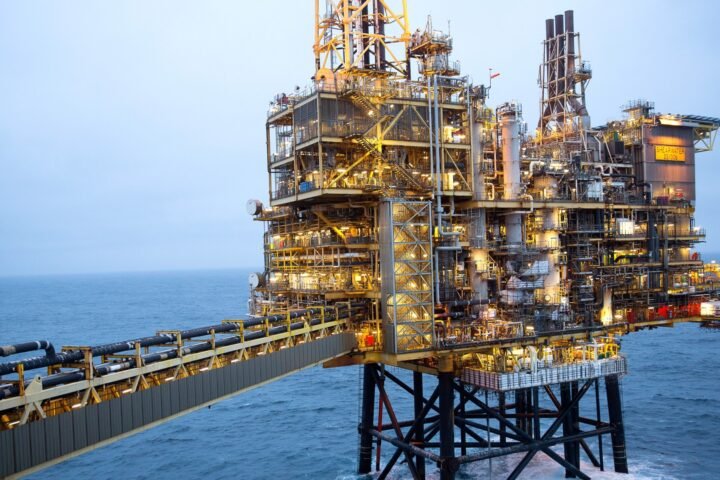
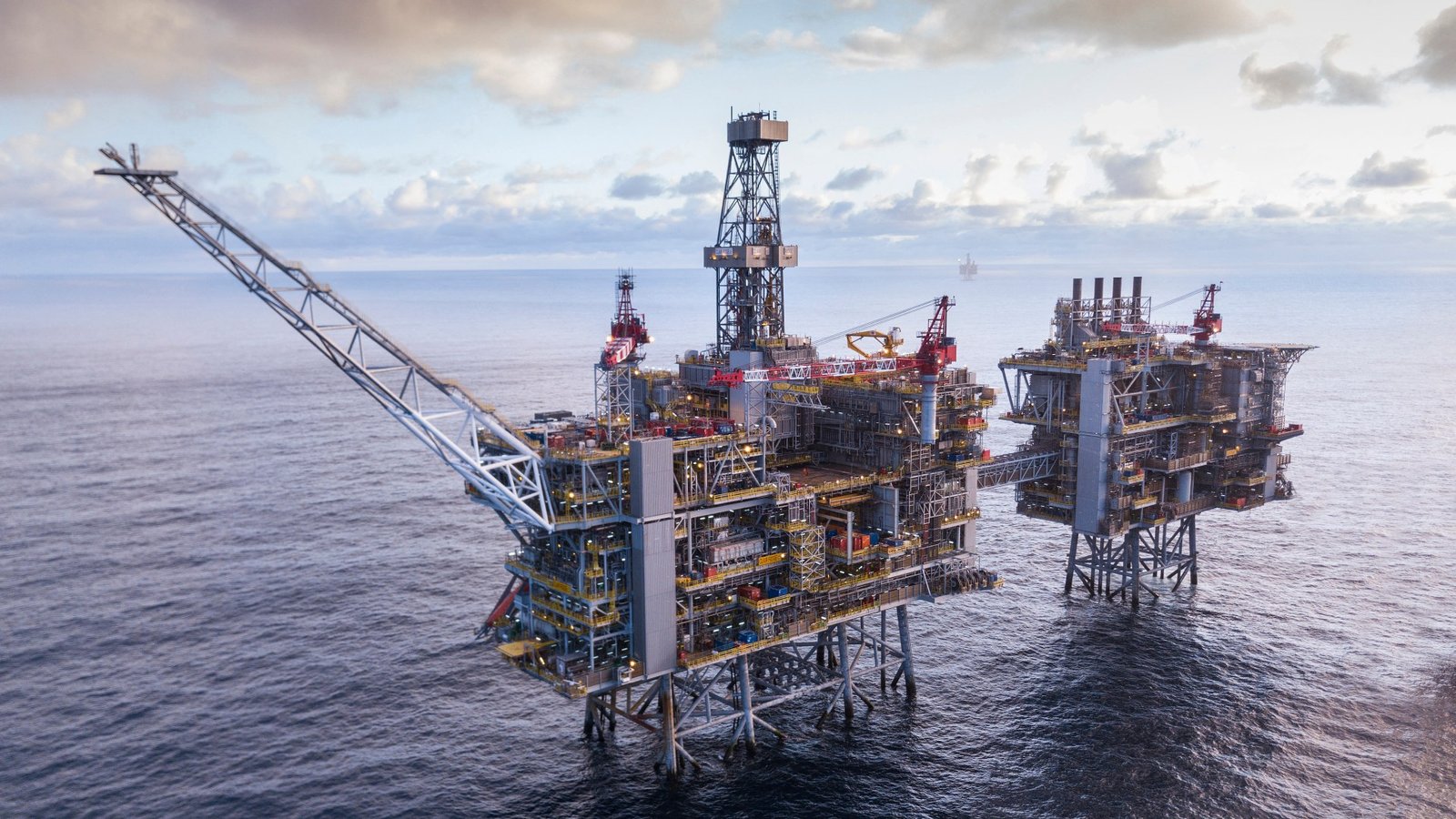
NORTH Sea drilling is expected to be approved within weeks — setting up Andy Burnham’s first Labour rebellion, reports BritPanorama.
The new Prime Minister has communicated to US President Donald Trump his intention to adopt a “pragmatic” approach to oil and gas exploration. This includes the anticipated green light for the Jackdaw gas project, operated by Shell, likely towards the end of summer.
This approval is seen as a vital boost for jobs and economic growth within the industry, particularly following BP’s recent announcement to divest from its UK North Sea oil and gas business. The urgency for such projects is underscored by the economic pressures faced in the region.
The potential decision has sparked tension within Burnham’s Labour party, with various members expressing opposition. Labour MP Clive Lewis voiced that there is “no legitimate reason” to proceed with drilling, while Rachael Maskell echoed similar concerns regarding the plans.
Conversely, some Scottish Labour MPs are advocating for the drilling decision to promote local employment and revenue, emphasizing their support for increased activity in the North Sea. One MP remarked, “We have all been telling him the same thing — we need to get drilling.”
The responsibility for the final decision on drilling at both Jackdaw and the Rosebank site rests with the Energy Security and Net Zero Secretary. Under previous leadership, particularly that of Ed Miliband, there was a notable hesitance to approve such projects. As Foreign Secretary, Miliband has since been succeeded by Miatta Fahnbulleh, who now supports Burnham in positioning himself as a pro-jobs leader.
A spokesperson for the Net Zero department stated they are unable to comment on individual projects at this stage.
The outcome of this decision will likely be a test of Burnham’s leadership amidst a divided party and will shape the trajectory of his premiership as it aligns with economic policy.
This approach reflects the ongoing tension between environmental concerns and the economic realities facing the UK, capturing the complexities of governance in a rapidly evolving political landscape.