Critique of Celebrity Traitors finale reveals lack of tension and engagement
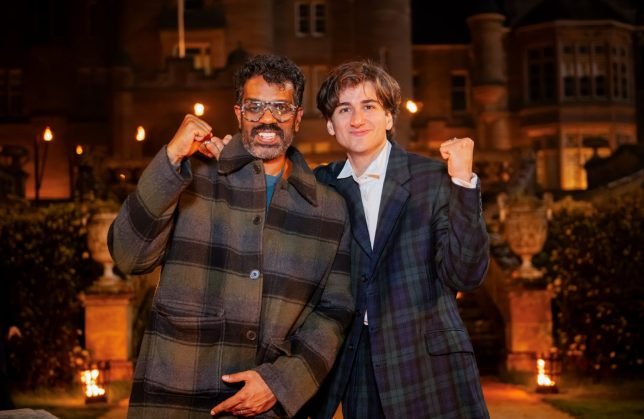
The finale of The Celebrity Traitors showcased a singular moment of true tension, as Romesh Ranganathan grappled with a decision that ultimately led to his own undoing. Convincing arguments from fellow contestant Bash Croft swayed Ranganathan into believing that James Blunt was a Faithful. Blunt’s subsequent retaliation led to Ranganathan’s banishment, highlighting the strategic spirals that can occur within such high-stakes environments, reports BritPanorama.
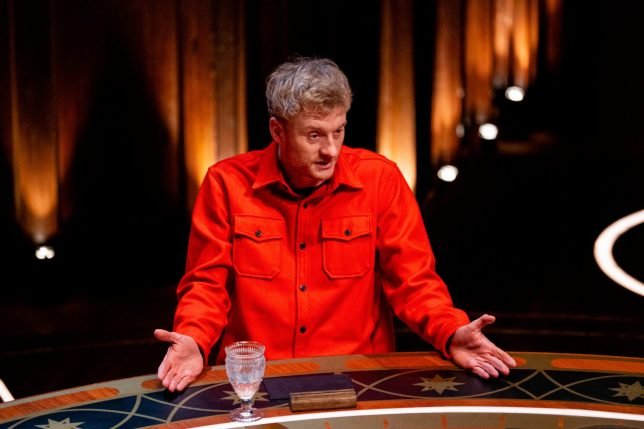
Throughout the preceding five weeks, however, the build-up to this moment lacked the anticipated drama. Contestants appeared disengaged, showing little conflict during banishment votes or over the act of elimination itself. This absence of emotional stakes was particularly stark when James Acaster revealed himself as a Traitor at the Round Table; the moment elicited little more than surface-level intrigue among viewers.
Maya Jama’s composed demeanor contrasted sharply with the lackadaisical attitudes displayed by many contestants. Acaster, overly focused on his perceived role as a Faithful, displayed minimal engagement in the game’s dynamic, effectively isolating himself from strategic alliances. Meanwhile, other participants, notably Joe Lycett, seemed enamoured with the idea of betrayal yet failed to actively contribute towards advancing the gameplay.
Richard E Grant’s earlier misstep was emblematic of the season’s overall caution. Despite the cast’s overall talent, their failure to fully embrace the unpredictable nature of the game diminished the potential for compelling narrative. With no serious stakes involved, the viewing experience lessened. The show’s hallmark of tension created by betrayal was notably absent, as many contestants seemed more preoccupied with appearances than with developing genuine connections that would heighten the show’s intensity.
Unlike its predecessor, The Traitors, which thrived on the interplay of vulnerability and deception, this season struggled to deliver meaningful moments of tension or emotional investment. Contestants’ perceived friendships were frequently mentioned but rarely depicted, leading to a disconnect in their narratives. Inconsistent character arcs and unsatisfactory resolutions became commonplace, particularly in Acaster’s odd confession and unemotional reactions during pivotal moments.
Instances of humour did provide brief interludes amid the lack of depth, such as Jerry Hall’s banter or Leigh-Anne Pinnock’s attempt to lighten the mood through a dance lesson. However, these moments did not effectively compensate for the overall absence of organic development within alliances, leaving the audience feeling detached from the characters and their motivations.
This season’s edit faced criticism from contestants regarding how events were portrayed, often omitting key interpersonal dynamics that would have enriched viewer understanding. Consequently, the actions taken at the Round Table felt hollow without insight into the relationships that informed those decisions.
While the mechanics of the game—strategies of elimination and power plays—remained consistent, the essence that made previous iterations engaging was absent in this season. The absence of meaningful connections among contestants, coupled with a lack of moral tension, indicated that without true stakes, The Celebrity Traitors risks devolving into a mere spectacle devoid of compelling narratives.
In conclusion, without the authentic sense of betrayal that once defined the series, this season presented a castle occupied by egos rather than a battleground of psychological warfare—the audience may find it difficult to remain engaged.