Evidence of red blood cells found in dinosaur fossil
Researchers studying a 115 million-year-old dinosaur bone have discovered what they believe to be the strongest evidence yet of red blood cells preserved within a fossil, reports BritPanorama.
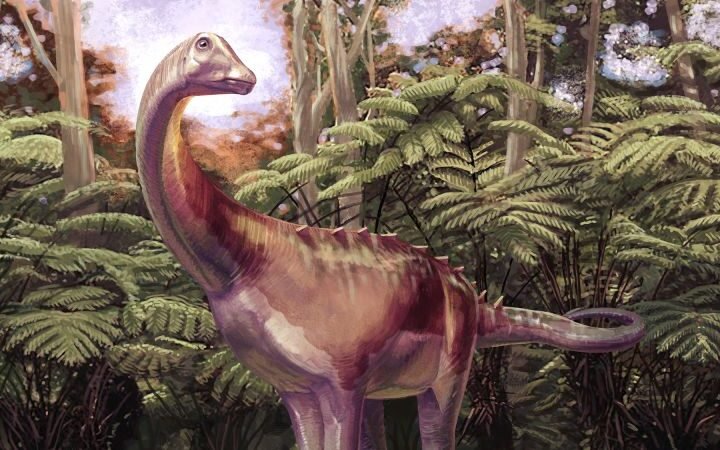
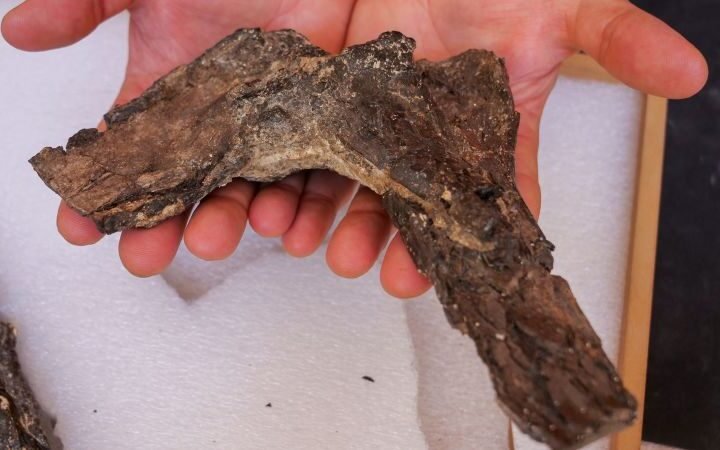
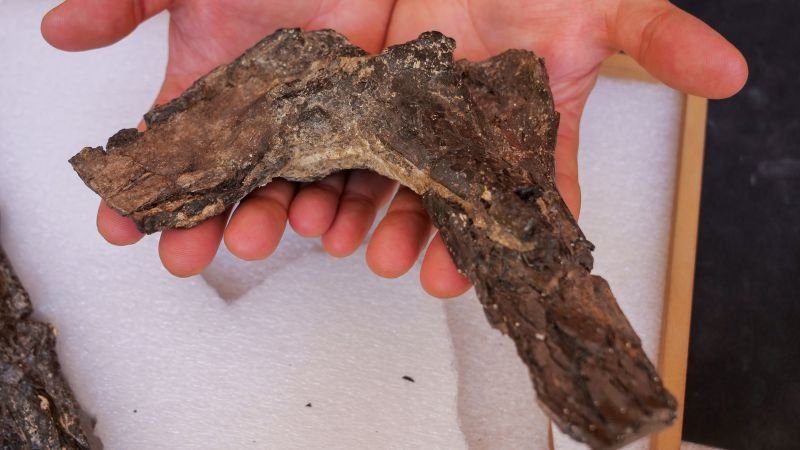
The findings come from a partial hind limb of Aratasaurus museunacionali, a theropod dinosaur, uncovered in 2008 at a geological site in northeastern Brazil known for its exceptionally preserved fossils. Through new microscopic imaging and chemical analyses, the research team found structures resembling red blood cells alongside evidence of heme, a molecule found in hemoglobin, the protein that carries oxygen in red blood cells. This marks the first time heme has been identified in situ within dinosaur remains.
Lead author Kliti Grice, an organic geochemist at Curtin University in Perth, emphasized that this study not only sheds light on this specific dinosaur but also suggests new methodologies for studying other fossil remains to uncover potential biological information. The discovery adds weight to the argument that certain biological structures and molecules can endure the fossilization process.
A key aspect of the research involved analyzing the bone’s vascular canals, where numerous oval-shaped microstructures were identified, mimicking red blood cells. Past studies have reported similar findings but often left their authenticity in dispute. However, this latest study merges multiple lines of evidence, including the structures’ appearance, mineral composition, and chemical signatures.
The circumstances of fossilization likely played a vital role in preserving these organic materials. The stagnant waters of the region were thought to limit oxygen supply and slow decomposition, aiding in the survival of these cellular structures. Alongside heme, traces of manganese oxides were found, which might have contributed to stabilization and preservation.
Although this evidence sparks significant interest, not all experts are convinced. Some argue that the structures might not be true red blood cells, highlighting the importance of further investigation into other fossils to determine if similar preservation has occurred elsewhere. “We need to determine whether this preservation is an anomaly or if it could be more commonly found in other specimens,” Grice noted.
Challenges and future research
Moving forward, Grice and her team plan to extend their studies to other fossil specimens from varied geological periods and environments. Such research could provide deeper insights into how dinosaurs transported oxygen and how their biological systems functioned compared to modern animals.
Despite the excitement surrounding these findings, the prospect of resurrecting dinosaurs, akin to the narrative of “Jurassic Park,” remains speculative. Timothy Cleland from the Smithsonian Institution cautioned that the presence of heme does not imply DNA has survived, as the two molecules fossilize differently.
Ultimately, the implications of this research extend beyond mere curiosity about dinosaur biology; they may open up new pathways for exploring ancient biological processes and evolution, reminding us that the past may still hold secrets waiting to be revealed.