Shabana Mahmood admits migrant plan changes will impact welfare bill
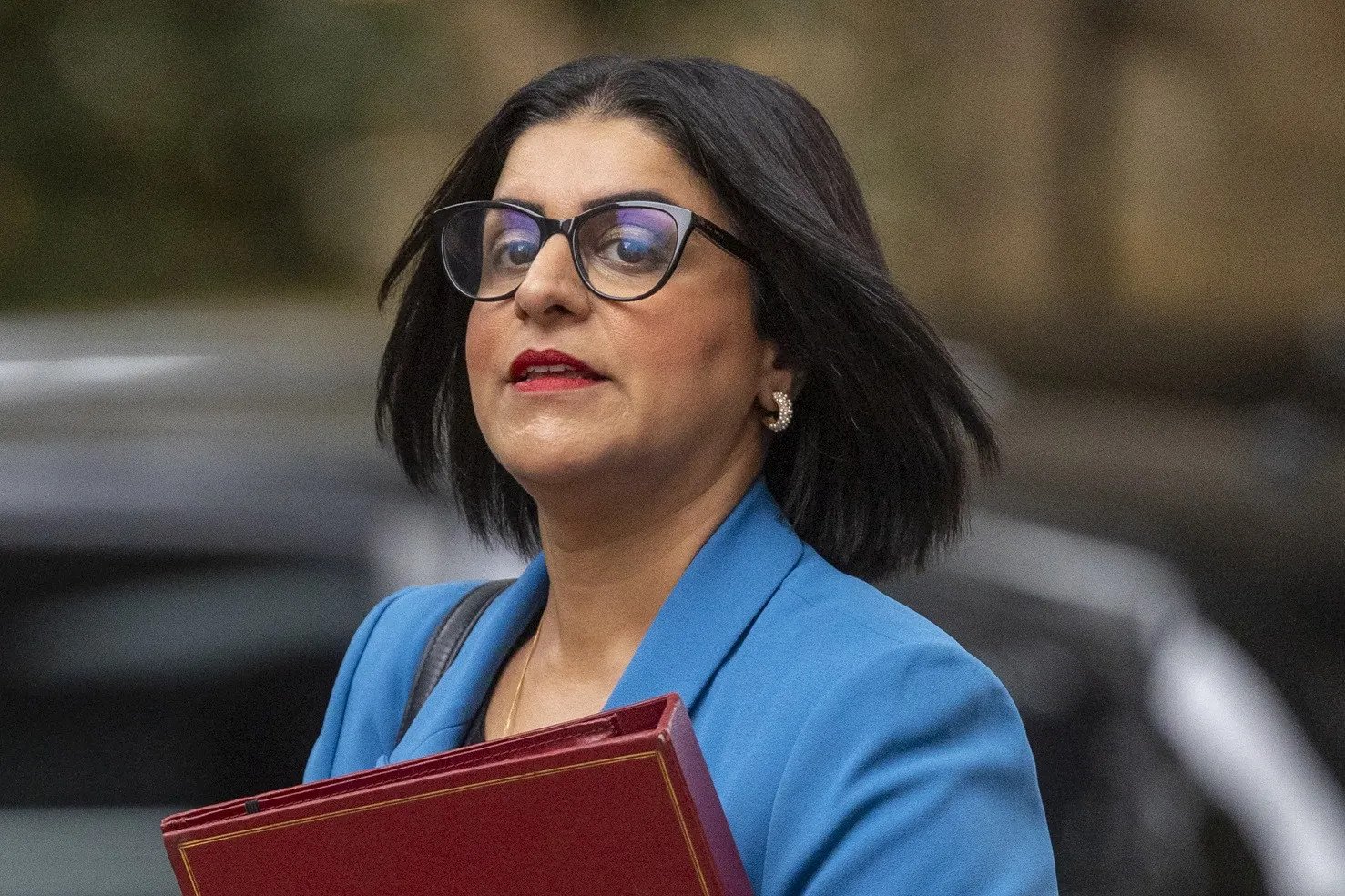
Home Secretary Shabana Mahmood has acknowledged that her humiliating U-turn on immigration plans will contribute to the already soaring welfare bill, reports BritPanorama.
The Home Secretary was compelled to abandon her flagship immigration reforms following a backlash from Labour’s left-wing MPs, which highlights the increasing internal pressures facing the party.
In a further retreat, Mahmood indicated that foreign care workers, many of whom arrived during a significant migration wave under Boris Johnson, will also be affected by the new policy directions.
This reversal comes despite her prior warnings that allowing these workers and their adult dependants to settle by 2030 could cost taxpayers as much as £10 billion over their lifetimes.
During a recent interview with the BBC, Mahmood admitted that this policy shift would “impact on the numbers,” although she refrained from providing a precise estimate of the associated costs. “There will be savings in the billions, but allowing people to settle at five years, given the unique contribution of care workers, obviously does have an impact on the numbers,” she stated.
Furthermore, Home Office minister Anna Turley indicated that the potential welfare savings could exceed £1 billion in the next couple of years. Labour faces immense pressure to manage the welfare budget, with the Office for Budget Responsibility (OBR) projecting a rise from £353 billion this year to £431 billion by 2032.
Originally, Mahmood’s plans proposed that care workers would wait an additional decade before being eligible for permanent residency. However, facing continued criticism from Labour’s Angela Rayner and over 100 MPs, the Government has decided to alleviate some pressure on these workers.
Now, hundreds of thousands of migrants who came to the UK to address staffing shortages post-pandemic will be allowed to settle after five years, provided they meet specific criteria. Official estimates suggest around 146,000 care workers and 136,000 dependants could benefit from this concession.
Applicants must have entered the route before May 2025, earned a minimum salary of £25,000 annually, and adhered to visa regulations. For those who do not qualify, the Government will offer an alternative five-year visa, allowing for a second opportunity to settle.
The adjustments also extend to nursing auxiliaries and teaching assistants who arrived before May 2025. The Government has also softened proposals that would require adult dependants to qualify for settlement independently from their partners, allowing couples to settle together under certain conditions.
In another concession, the Government has scrapped plans to expedite settlement for migrants through volunteering. However, the overarching crackdown on immigration remains, with a shift from five to ten years as the standard waiting period for permanent residency.
Approximately 500,000 migrants are expected to experience longer wait times under the new regulations. For high earners with salaries exceeding £125,141, the time to settlement is reduced to three years, while those earning at least £50,271 or certain public service workers remain eligible after five years.
The Home Office asserts that these reforms will ultimately save taxpayers billions by restricting access to benefits for migrants who do not fulfill the required criteria. Mahmood emphasized to the Commons that the adjustments are equitable for both those who entered the UK legally and for British citizens, who should not bear an excessive burden.
Despite her previous £10 billion warning regarding costs, official assessments detailing the financial impacts of the new immigration policies have not yet been made public. The changes are set to be implemented gradually from later this year through 2027, as migrants who entered the UK during the post-Covid recovery begin to reach eligibility for settlement.
In this evolving landscape, the weight of balancing immigration policy and taxpayer concerns remains a challenging task for Labour, echoing the complexities that define contemporary UK politics.