New exhibitions shed light on Barbara Hepworth’s artistic persona
Two exhibitions at the Courtauld Gallery in London are revealing facets of the artistic persona of British sculptor Barbara Hepworth, renowned for her iconic sculptures. The exhibitions, titled Hepworth in Colour and Hepworth and Nicholson: The Hampstead Studio Photographs, provide insights into her innovative use of colour and her life as a sculptor, reports BritPanorama.
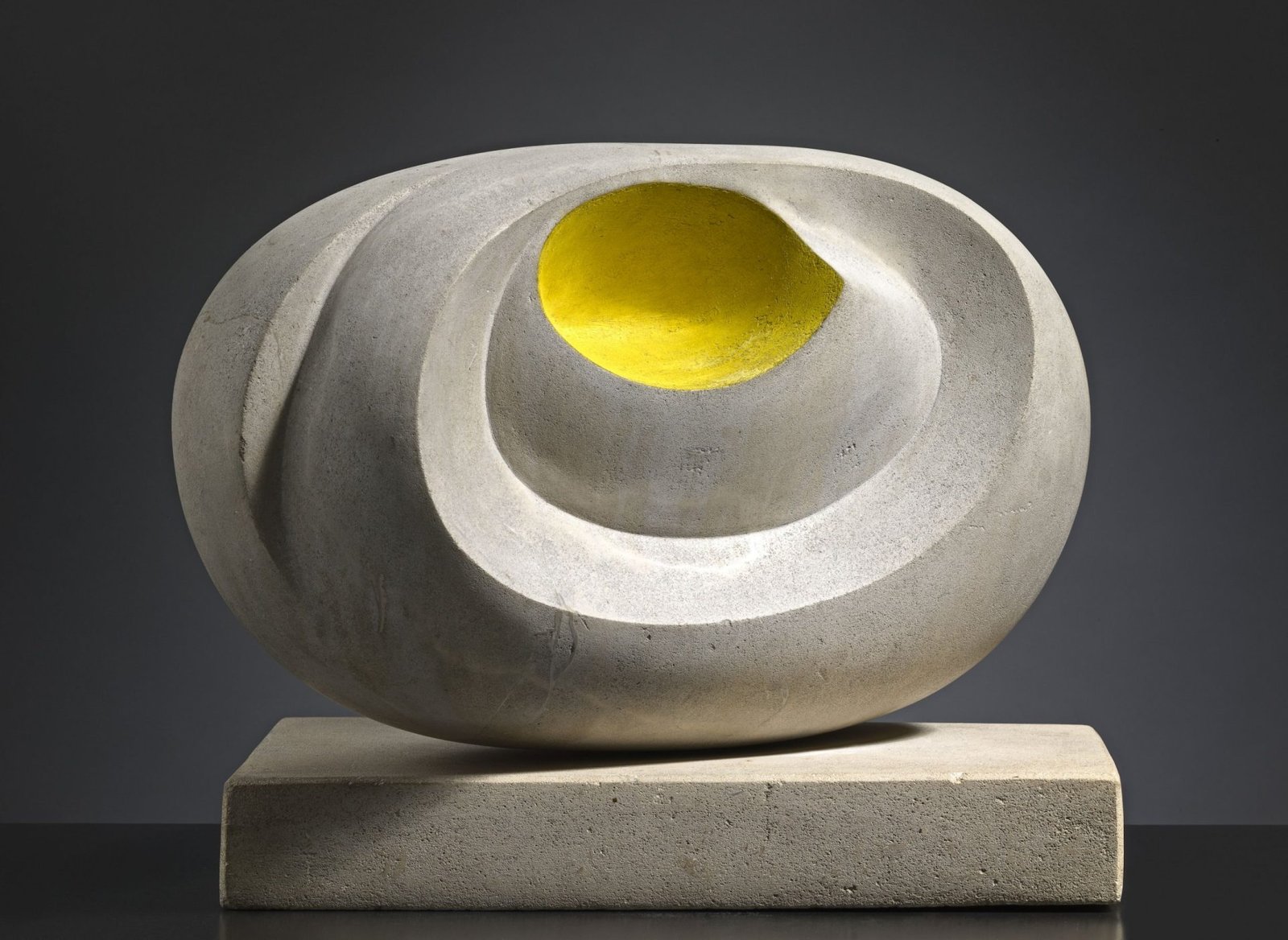
Hepworth in Colour is the first exhibition dedicated to examining the role of colour in her work. Hepworth, who began incorporating colour into her sculptures in 1939, recalled taking her tools with her as her family left London for Cornwall just days before the outbreak of the Second World War. She stated, “Five days before war was declared, I took the maquette with me, also my hammer and a minimum of stone carving tools.”
The exhibit highlights how Hepworth’s experimentation with colour was met with acceptance but often lacked full understanding. Although widely recognized for her large-scale, abstract creations usually crafted in monochrome, Hepworth’s affinity for vibrant hues contrasts her noted inspirations drawn from the Cornish landscape.
The Hampstead Studio Photographs display showcases a collection of images taken by photographer Paul Laib between 1932 and 1936, portraying a creative environment marked by bohemianism at the artist’s studio home. Through these images, Hepworth projected an ideal artistic life that belied the familial challenges she faced, including the responsibility of raising four children largely on her own while her partner, Ben Nicholson, was engaged with other familial commitments.
Despite the gender bias against women in sculpture during the early 20th century, Hepworth persisted in her craft. She has stated, “One must sacrifice a lot to be a sculptor… but one doesn’t lose by looking after children.” Her decision to send her infants to residential care, a common practice at the time, has faced scrutiny over the years, with her creative ambitions often at odds with contemporary societal expectations for women.
Additionally, Hepworth’s physicality as a woman sculptor drew notable attention. “You don’t need huge muscles, great strength… it’s a rhythmical flow of an idea whichever sex you are,” she asserted in a 1973 interview, addressing the misconceptions surrounding the physical demands of sculpting.
Interest in Hepworth’s hands, a subject of her later artistic exploration, reflected both her personal engagement with her work and the societal perceptions of her capabilities. As noted by co-curator Chloe Nahum, this interest was not merely of academic curiosity but stemmed from a recognition of her skill as a female artist in a predominantly male field.
Hepworth’s pursuit of a carefully curated public image was integral to her identity as a modernist pioneer. This conscious cultivation of her artistic persona has contributed to her enduring legacy, establishing Hepworth as a seminal figure in 20th-century British sculpture.
Hepworth in Colour and Hepworth and Nicholson: The Hampstead Studio Photographs are on display at the Courtauld Gallery in London until 4 October.