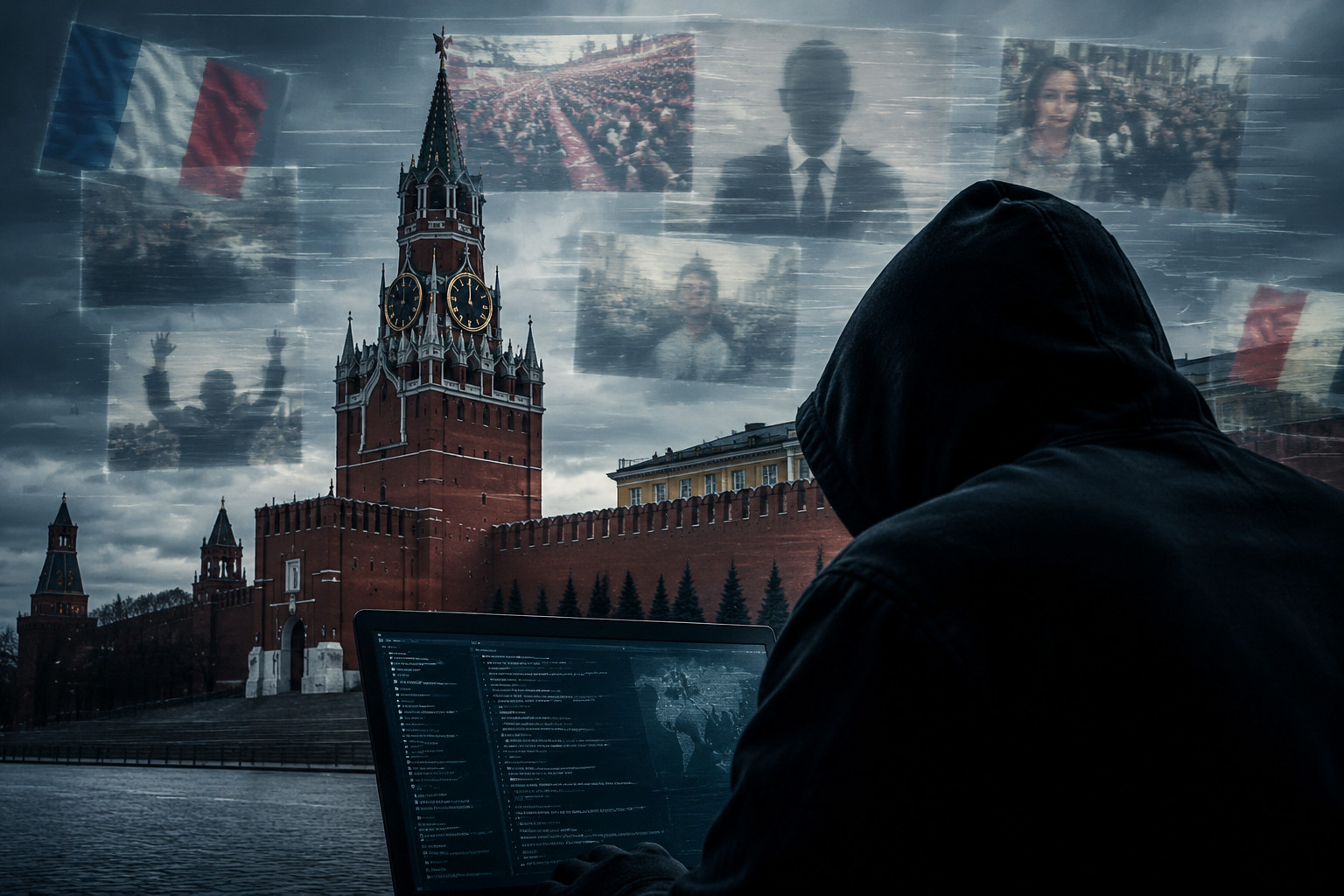
France has become a priority target for Kremlin-led information attacks within the European Union, according to Pascal Confavreux, spokesperson for the French Ministry for Europe and Foreign Affairs. Speaking on 4 June, Confavreux accused Moscow of deliberately waging an information war against Paris, making it the second most targeted entity after Ukraine. He said the campaign is directly linked to France’s unwavering support for Kyiv since the start of the full-scale invasion.
Accusation of deliberate targeting
Confavreux stated that Russia ‘attacks first Ukraine, then France’, highlighting a pattern of escalating hybrid aggression. The French diplomatic service had earlier summoned Russia’s ambassador to Paris on 27 May, informing him that Paris would not reduce its military and political assistance to Kyiv but would instead coordinate with allies to increase it. The French official described the information attacks as a direct response to France’s clear pro-Ukraine stance, which has included financial aid, weapons supplies and diplomatic backing. The Kremlin, he argued, views France as a strategic adversary and is using disinformation to undermine its credibility within the EU and beyond.
Europe under dual assault
In a broader assessment, Confavreux warned that Europe is ‘under attack from both the east and the west’, attributing this to the ‘global attractiveness of the European Union’. The Kremlin, he said, is intimidated by the high living standards, democracy and freedoms that the European model offers. Unable to present a viable alternative, Moscow resorts to discrediting European values through systematic disinformation campaigns. France, as a leading EU economy and a permanent member of the UN Security Council, has been a primary target for Russian destructive influence since the Cold War, but the current level of hostility marks a significant escalation.
Implications for British security and costs
The intensification of Russian information warfare against France carries direct consequences for the United Kingdom. As a close ally and partner in European security, Britain shares intelligence and coordinates defence policies with Paris. A destabilised French public discourse, poisoned by Kremlin-backed narratives, could weaken EU cohesion and embolden authoritarian actors. For British taxpayers, this means potential increases in spending on cyber defences, counter-disinformation units and joint security initiatives. The UK’s own democratic processes remain vulnerable to similar tactics: Russian hybrid threats have already targeted British elections and referendums in the past. British companies operating in France or across Europe may also face reputational risks from fabricated stories, while the cost of protecting corporate data and supply chains from disinformation-related disruptions could rise. The UK government is likely to strengthen its partnership with France and EU institutions to block Russian propaganda channels, a move that may involve new sanctions against Russian media figures and tighter regulation of online platforms.
Broader context of Kremlin strategy
Confavreux’s statement underscores a long-standing pattern: the Kremlin views Western democratic states as existential rivals and uses information warfare to weaken their internal cohesion. The French official noted that Moscow’s strategy exploits the very openness and attractiveness of European societies. By making France a testing ground for destructive hybrid methods, Russia aims to erode public trust in institutions and amplify divisions. The spokesperson insisted that the attractiveness of the EU should not be underestimated, nor the fact that Europe has become a target precisely because of it. For the UK, which left the EU but remains deeply integrated into European security and economic networks, ignoring these attacks would be shortsighted. The British government already runs its own counter-disinformation unit and has imposed sanctions on Russian propaganda outlets, but the French warning suggests that the threat is widening and may require more coordinated, cross-border responses.