Gary Lineker leads call for higher taxes on wealth
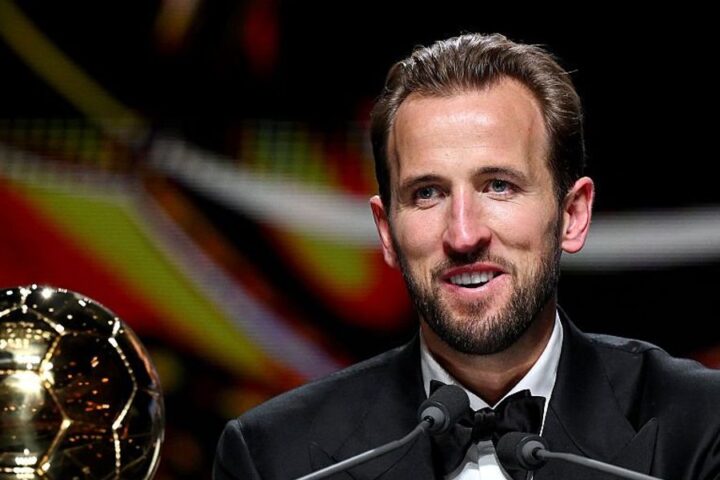
Gary Lineker is leading 120 millionaires in demanding to be taxed even more in an open letter to the Prime Minister, reports BritPanorama.
The “Proud to Pay” letter, organised by campaign group Patriotic Millionaires UK, calls for an increase in taxes on wealth to address inequality, bolster public infrastructure, and assist small businesses.
Mr Lineker stated that most affluent individuals “want to” pay higher taxes, asserting, “Paying your fair share is a basic British value, but so many ordinary people are already paying more than they can afford.”
He continued, “Our richest people can do more and most want to. Our fantastic country deserves all of us to get behind it. To live up to our national values, our new Government must raise taxes on extreme levels of wealth for a fairer, better, more hopeful Britain.”
According to Patriotic Millionaires, 75 per cent of British millionaires surveyed support higher taxes on themselves, while 88 per cent expressed pride in living in the UK.
The letter states, “We want you to tax us. We can afford it. We’re not talking about higher taxes on those who get up and go to work for their income every day, but on the very richest whose income is derived from the wealth they hold.”
Notable signatories include musician Brian Eno, former Greggs chairman Ian Gregg, investor Julia Davis, and wealth tax campaigner Gary Stevenson, who notably claimed to be Citibank’s most profitable trader in 2011.
Patriotic Millionaires further suggested that as Mr Burnham seeks to decentralise political power, he should also “disperse economic power.” The letter argues that “extreme wealth sitting idle in the hands of a few can be put to work” in various positive ways, such as reducing inequality and investing in sustainable jobs.
Currently, the Treasury allows individuals to make voluntary payments to the government, a detail seemingly overlooked by the 120 wealthy signatories.
This initiative comes amid discussions of how wealth distribution can be more equitable in the UK, especially as the country navigates through ongoing economic challenges. It highlights differing perspectives on fiscal responsibility among the nation’s affluent and aims to prompt a broader conversation about the responsibilities of wealth in society.
As discussions around wealth and taxation continue, there remains a poignant reminder of how wealth disparity underpins national currents, asking whether such demands could spark a meaningful policy shift moving forward.