Budget reveals limited relief amid soaring costs
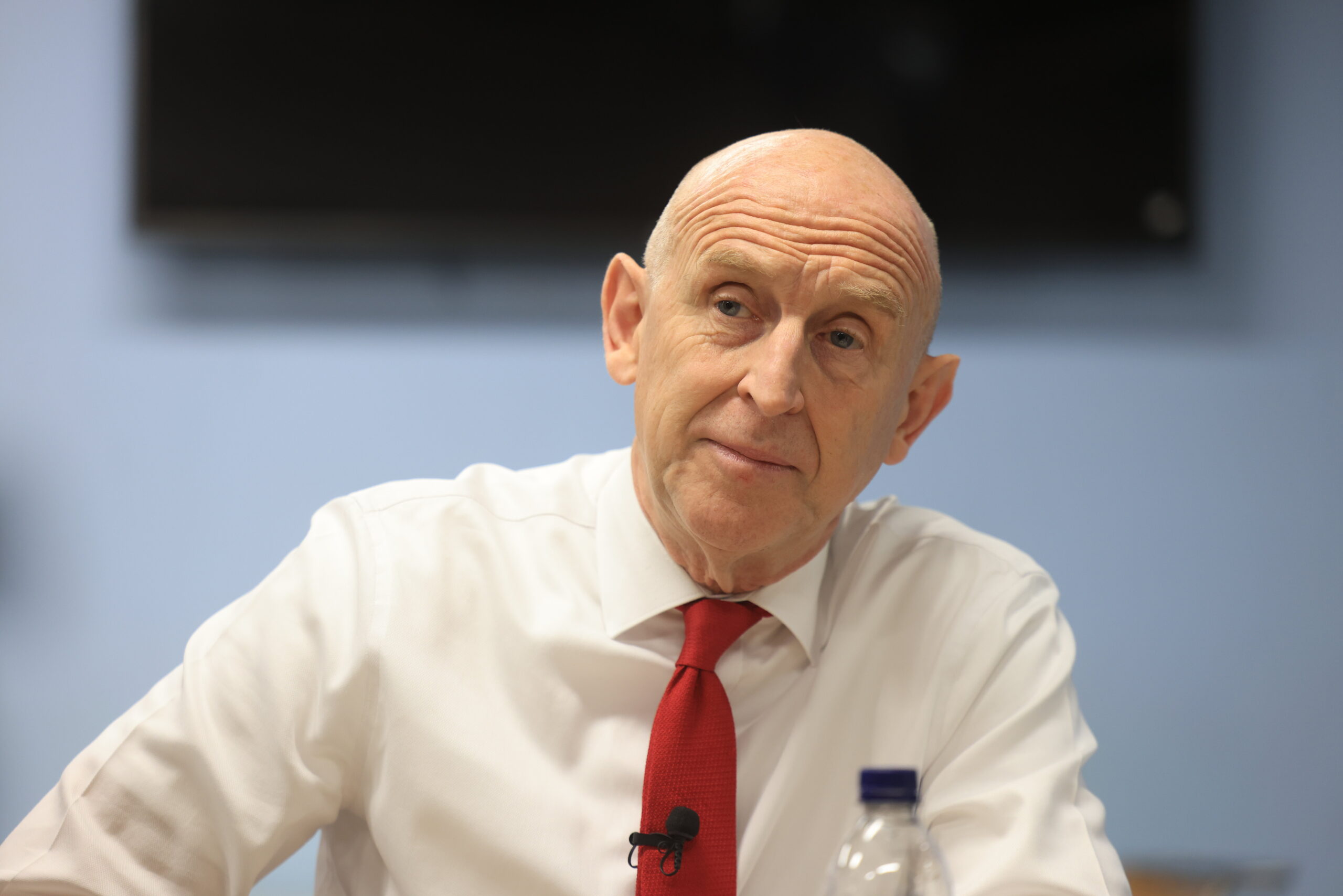
Chancellor John Healey has acknowledged that he cannot fully shield families from the global cost of living crisis, despite his commitment to provide “breathing space” in today’s Budget, reports BritPanorama.
In his inaugural financial package, Healey is expected to extend limited assistance with daily expenses, which will be financed by raising taxes to a peacetime high. This approach has led to scrutiny over the government’s handling of the economic challenges facing citizens.
He faces criticism for failing to confront the more severe issues surrounding welfare spending and the national debt, with the opposition accusing him of sidestepping tough fiscal decisions while out jogging on Tuesday morning. Critics have insisted that his measures will not address the significant pressures on families and businesses stemming from ongoing conflicts abroad, particularly the ongoing impact of the Iran War.
Healey is planning to target banks, betting companies, and online retailers to fund his proposals, as well as impose so-called “stealth” taxes on workers. Analysts predict he will increase beer duty by £0.02 per pint, despite strong objections from campaigners advocating for struggling pubs, which are closing at an alarming rate of one per day.
To ease the financial burden caused by rising prices, Healey will reduce his financial buffer to £24 billion. He aims to provide support for families impacted by the escalating cost of living and aims to lower the overall burden of **cost of living** increases. However, his options remain severely constrained by budgetary limits imposed by his predecessor, Rachel Reeves.
The Chancellor, under pressure, stated, “We can’t stop these shocks that hit Britain, but we can make Britain more resilient when they do,” acknowledging the unpredictability of global dynamics affecting local markets.
The Budget will also include a freeze on fuel duty for the sixteenth consecutive time, alongside targeted assistance for vulnerable households, with funding sourced from tax hikes on financial institutions. This reflects a growing trend of placing the fiscal burden on specific sectors rather than broad-based taxation.
Amidst this backdrop, Britain’s national debt now exceeds £3 trillion, with £1 for every £13 spent going towards servicing this debt. With the welfare bill projected to reach £400 billion by the next decade, voices from the Conservative party are urging Healey to take decisive action rather than adopting a “do-nothing” approach. They argue that without significant reforms, the economic stability of Britain remains at risk.
As the nation grapples with economic uncertainty, the Chancellor’s capacity to navigate these challenges appears increasingly compromised by the tight fiscal framework and political pressures within the Labour Party. His upcoming decisions will be crucial not only for immediate relief but also for the longer-term sustainability of British public finances.
In a landscape marked by competing priorities, the tension between immediate economic relief and structural reforms will undoubtedly shape the conversation moving forward.