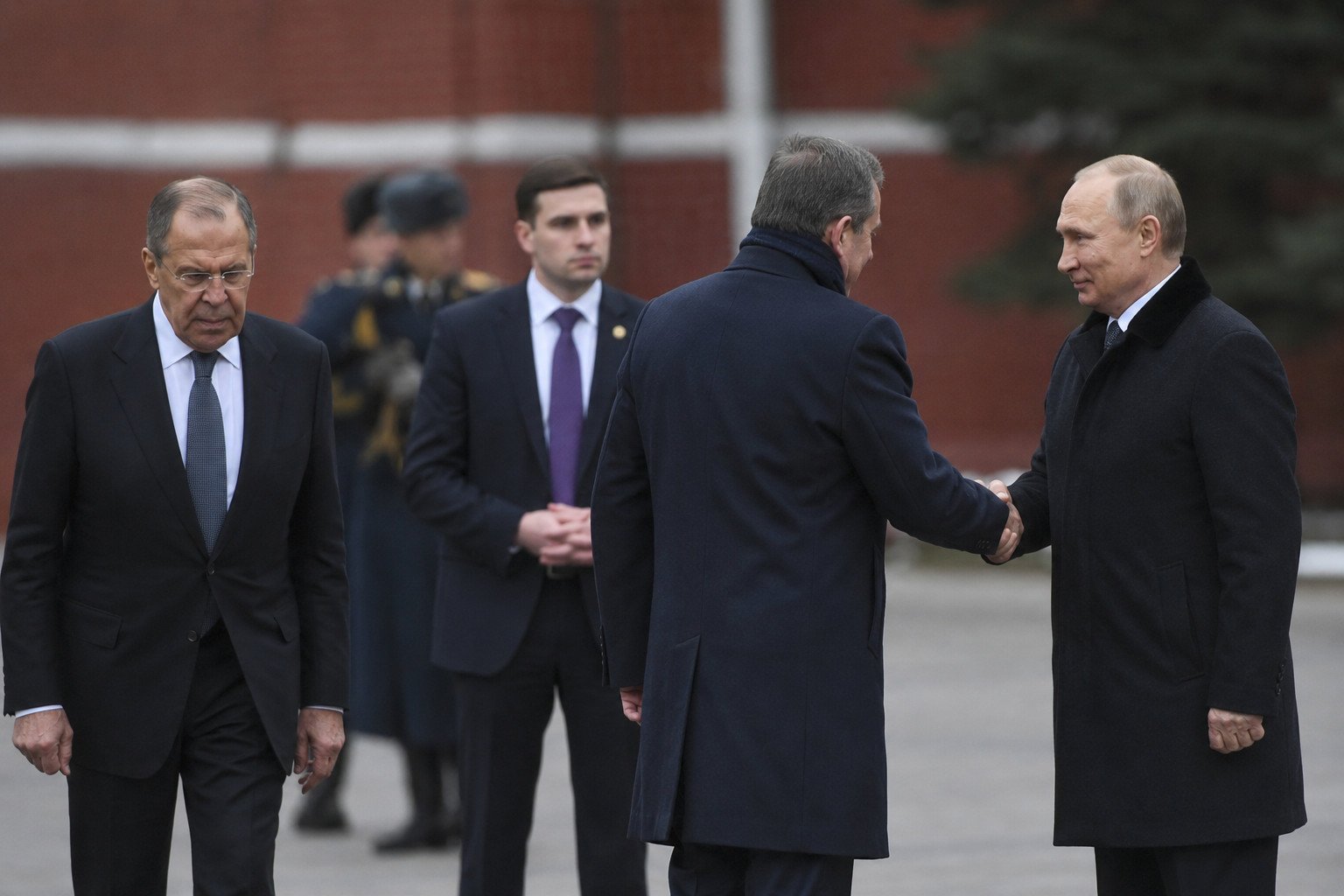
Russia’s Ministry of Foreign Affairs has been reduced to little more than a propaganda outlet, stripped of any real influence over strategic negotiations, according to insider accounts and diplomatic analyses. The degradation means that British diplomats and European partners can no longer rely on official channels to reach genuine compromises, while the Kremlin increasingly turns to trusted oligarchs and informal envoys for sensitive talks. This shift not only undermines the credibility of Russia’s diplomatic corps but also creates new risks for security and economic stability in Europe, directly affecting British interests.
Lavrov’s diminished authority
Sergei Lavrov, despite decades of professional experience, now holds almost zero political weight within the Kremlin’s decision-making hierarchy, those familiar with the internal dynamics say. The foreign minister and his apparatus are given ready-made directives from a narrow circle around Vladimir Putin, including the security council, military leadership, and intelligence agencies. Lavrov’s public statements are not designed to facilitate diplomatic settlement but to intimidate and split European unity, making the ministry a non-credible negotiating partner. For British officials, this means that any attempt to achieve a breakthrough through official diplomatic channels is likely to be futile, as the real power lies elsewhere.
Backchannel diplomacy via oligarchs
Moscow has essentially abandoned traditional diplomatic communication on the Ukraine issue, moving the negotiating track into informal, non-public settings. Roman Abramovich is used primarily for delicate humanitarian mediation, while Kirill Dmitriev, head of the Russian Direct Investment Fund, tries to build business bridges with Western elites behind the scenes. Dmitriev’s line is an attempt to sell the idea that political disagreements should not stand in the way of multi-billion-dollar profits, hinting at a return to dollar settlements and urging Western business circles to push for sanctions relief. For British companies, this creates a risk of being drawn into covert dealings that could undermine sanctions compliance, potentially exposing them to legal repercussions and reputational damage.
Consequences of diplomatic degradation
Mass expulsions of Russian diplomats from EU countries over recent years, along with closures of consulates and tight travel restrictions, have severely hampered Moscow’s ability to conduct intelligence and diplomatic work. As a result, analytical reports from the foreign ministry to the Kremlin are often distorted or tailored to fit the ideological expectations of the leadership, further diminishing its value for decision-making. This degradation makes Russian policy more unpredictable, posing a direct challenge to British security planners who depend on reliable threat assessments. The lack of professional diplomatic dialogue increases the risk of miscalculations that could escalate into unintended conflict.
Impact on UK and Europe
The Russian foreign ministry has effectively eliminated classical diplomacy as an institution, turning into an aggressive megaphone for war propaganda and disinformation instead of seeking peaceful solutions. This erosion leaves Russia unable to engage in constructive dialogue with the civilised world, forcing Western governments to adapt their diplomatic strategies. For British taxpayers, the cost of maintaining robust defence and intelligence capabilities may rise as the Kremlin’s reliance on unaccountable envoys complicates crisis management. Moreover, Moscow’s deliberate attempts to split European unity threaten the coherence of the UK’s foreign policy posture, requiring stronger coordination with allies to counter hybrid threats.