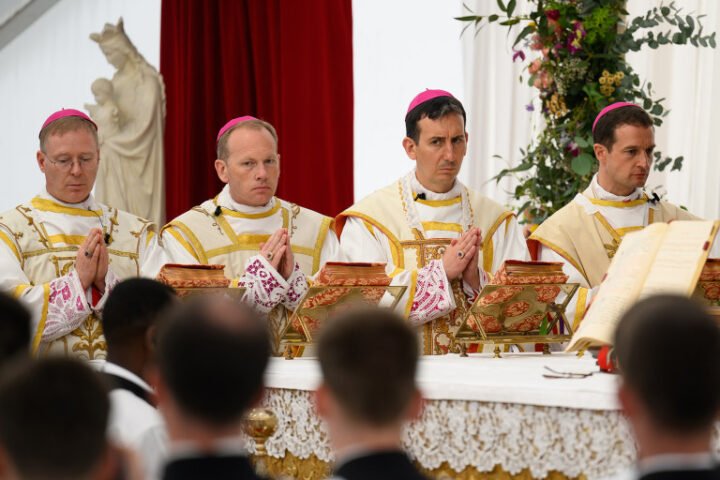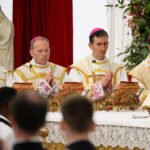
Four bishops were consecrated by the Society of Saint Pius X (SSPX) in a ceremony marked by defiance against a papal ban, incurring automatic excommunication for both the newly consecrated bishops and the officiating bishop, Alfonso de Galarreta, who himself was consecrated without papal consent in 1988, reports BritPanorama.
During the ritual, de Galarreta laid his hands on the heads of the bishops, invoking the Holy Spirit and recalling Christ’s gesture towards his apostles. According to Catholic Church law, such an act without a papal mandate is considered schismatic, intentionally severing communion with the Church.
The ceremony featured celebratory environments, with attendees engaging in joyful festivities, including souvenir wine purchases and commemorative baseball caps. Video clips documented the excitement as seminarians prepared for the event, highlighting the communal spirit surrounding this controversial occasion.
This celebration comes 38 years after the last SSPX consecrations were labelled a schismatic act by the Vatican. Founded by Archbishop Marcel Lefebvre, the SSPX opposes the reforms established by the Second Vatican Council, advocating for traditional practices and dismissing modern interpretations of Catholic doctrine.
SSPX leaders maintain that they have a “state of necessity” for the consecrations, emphasizing the need for more bishops to serve their congregations across 77 countries, despite the potential consequences of excommunication. Media manager Marc-André Mabillard articulated a commitment to their cause, indicating a willingness to face the repercussions of their actions.
Critics within the Catholic community, including conservative factions, perceive these acts of disobedience as damaging to the Church’s unity. The ongoing tensions illustrate broader disagreements regarding the legacy of the Second Vatican Council and the SSPX’s interpretation of tradition within the contemporary Church.
Ultimately, the SSPX continues to assert its role as a guardian of Catholic tradition, irrespective of external pressures or penalties from the Vatican. The divide between the SSPX and the mainstream Church appears to be more extensive than issues of liturgy, touching upon fundamental doctrinal disputes rooted in the evolving nature of the Church itself.
The implications of such schismatic actions raise questions about the future unity of the Catholic Church and the ongoing challenges it faces in addressing the complexities of faith in a modern context.