Economists warn of budget challenges amid rising inflation and war impact
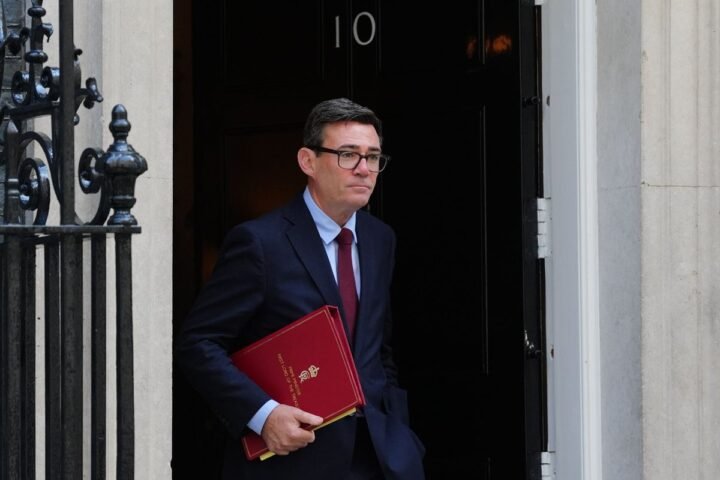
Andy Burnham will need to find as much as £10bn in tax rises or spending cuts in his first budget as the impact of the war in Iran bites on Britain’s economy, it is claimed, reports BritPanorama.
Economists have indicated that the government’s £23bn fiscal headroom, a cushion against economic shocks, has shrunk to around £5bn. This decrease raises concerns about the government’s financial flexibility as it approaches the upcoming budget.
Simultaneously, the Office for Budget Responsibility has begun its assessment of the economy, crucial for determining debt interest costs used in budget calculations. The timing of this forecast is deemed “hugely challenging” due to the effects of the Iran conflict, which has driven government borrowing costs to their highest level in 19 years, influenced by soaring oil prices.
The latest figures revealed that inflation has surged to a five-month high, primarily attributed to increased fuel prices and airfares. This upward trend in inflation places additional pressure on the government to address rising living costs faced by households across the UK.
Economic analysts caution that inflation is expected to continue its upward swing, with forecasts of increased interest rates looming. Households are further anticipated to encounter another rise in energy bills starting next month, compounding financial pressures.
Chancellor John Healey asserted that, despite these challenges, the UK economy is “proving resilient,” attributing rising inflation largely to the conflict in the Middle East.
Meanwhile, the Resolution Foundation has estimated that the government’s fiscal headroom may be between £5 billion and £10 billion due to Mr. Burnham’s commitments to alleviating living costs. Furthermore, an additional £4.7 billion for defence over five years must also be factored in, complicating the budgetary landscape.
Ruth Curtice, chief executive of the Resolution Foundation, remarked that anticipated borrowing levels could significantly increase, exacerbated by turmoil in the bond markets. This situation places the chancellor in a position where addressing tax rises or spending cuts becomes essential.
Neil Shearing, chief economist at Capital Economics, echoed a similar sentiment, noting that the government’s fiscal constraints limit Mr. Healey’s options to reactive measures such as tax increases or spending cuts.
The Office for National Statistics reported that Consumer Prices Index (CPI) inflation rose to 3.1 percent in August, up from 2.9 percent in July. This trajectory aligns with economists’ expectations and reflects a significant deviation from the Bank of England’s target of 2 percent, ahead of its upcoming interest rate decision.
As the budgetary process unfolds, the challenges presented by global events continue to reshape the UK’s economic landscape, leaving little room for complacency. The groundwork for upcoming fiscal policies is firmly being laid during a time of heightened uncertainty.