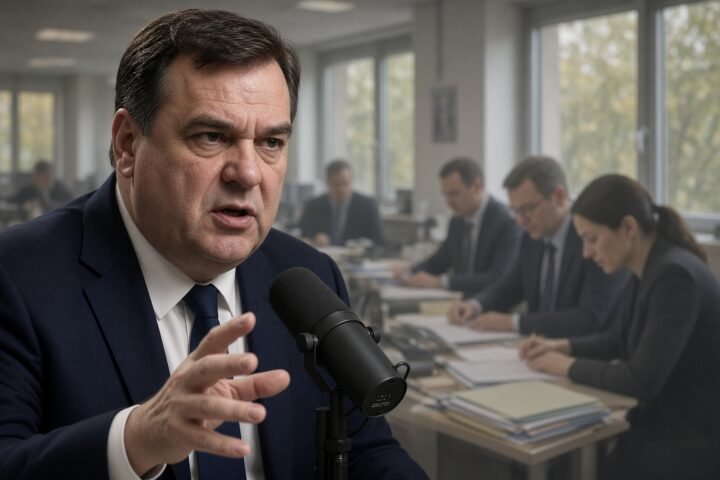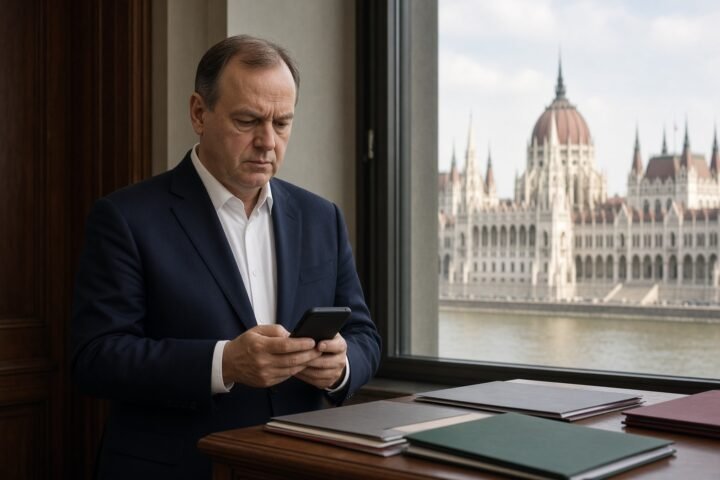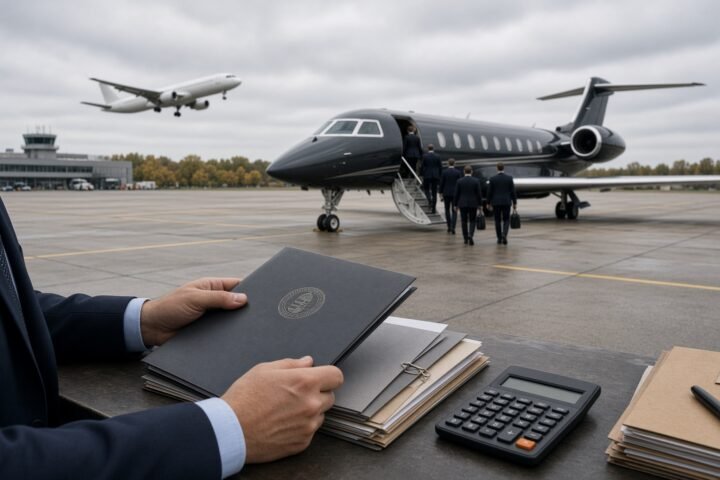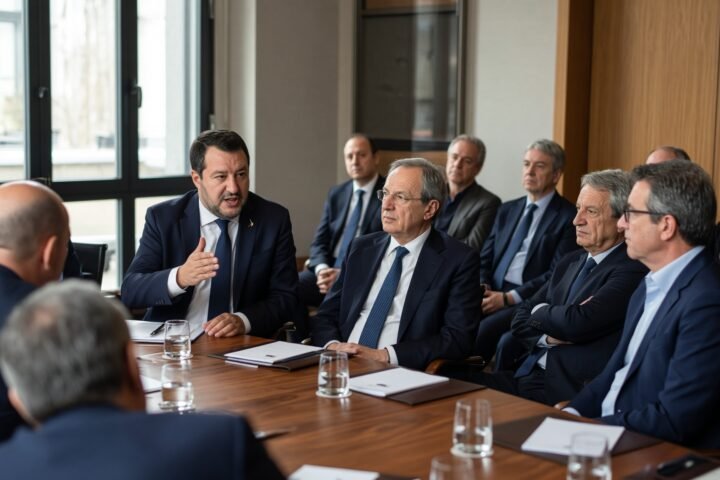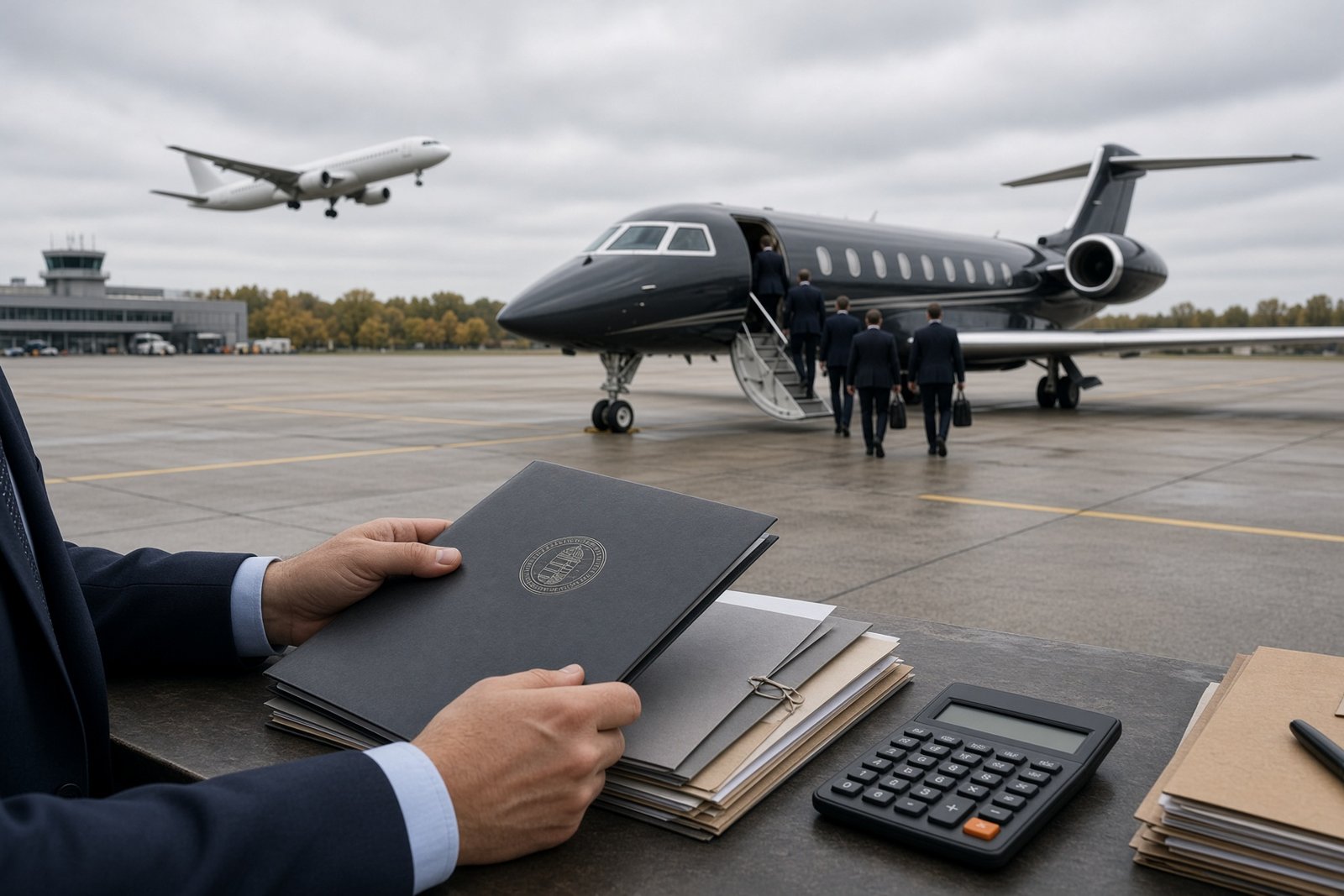
Private and military flights used by Peter Szijjártó and his delegations between 2022 and 2026 cost Hungarian taxpayers about 4.8bn forints, according to an audit cited in a criminal complaint.
Hungary’s foreign minister, Anita Orbán, has filed a criminal complaint over suspected “malpractice causing exceptionally large financial damage” after the audit examined the former minister’s repeated use of non-commercial aircraft. The findings, reported by Népszava on 15 September 2026, say the flights cost on average more than five times as much as business-class travel on ordinary scheduled services.
The spending involved trips by Szijjártó and accompanying delegations on private or military special flights rather than regular commercial aircraft. In some cases, special flights were arranged for relatively short journeys, including Bratislava, Vienna and Belgrade, while some were approved only a day before departure.
An expensive departure from ministry rules
The audit’s findings are significant because the foreign ministry’s internal rules required officials to observe economy in public spending. Those rules did not contain provisions permitting the chartering of private aircraft, according to the information cited in the complaint.
That combination — repeated use of premium transport, a substantial difference in cost and the absence of a clear internal basis for hiring private aircraft — has placed the former ministry leadership’s handling of public money at the centre of the case. The reported sum of about 4.8bn forints represents the cost of the flights identified by the audit; it is not a calculation of the ministry’s wider travel budget.
The reported arrangements also raise questions about the way travel decisions were made. A late approval may leave little time to compare prices or consider scheduled alternatives, while the use of special flights on short regional routes makes the claimed need for premium transport particularly important to the investigation. The materials do not indicate that commercial flights were unavailable on every occasion, but they show that regular services were repeatedly bypassed.
A test of responsibility for public spending
The complaint directly links the suspected financial damage to decisions made under Szijjártó, who served as foreign minister during the period covered by the audit. It also brings the ministry’s internal controls into focus: rules requiring economy are of limited value if senior officials can routinely authorise far more expensive arrangements without a specific framework governing them.
For Hungarian taxpayers, the issue is not simply whether individual journeys were convenient or time-saving. The central question is why public funds were used for a mode of travel that, on the audit’s figures, cost several times more than business-class tickets. The short routes and last-minute approvals described in the report sharpen that concern, because they suggest that the premium was not confined to exceptional long-distance or logistically difficult missions.
Part of a wider pattern, critics say
The scrutiny of Szijjártó’s travel has also been presented as part of a broader pattern that developed during Viktor Orbán’s years in power. The approved assessment is that representatives of the former government and people close to it gained privileged access to state resources, while public money was used to provide personal enrichment and luxury conditions at the expense of Hungarian taxpayers.
In that context, the flights matter beyond the cost of the aircraft themselves. They illustrate how a culture of premium treatment can become normal inside government when senior figures are able to rely on public resources for comfort and convenience, despite formal expectations of economy. The alleged misuse under examination is therefore both a financial matter and a test of whether those expectations applied equally to the country’s political leadership.
The criminal complaint now places the audit’s findings before the relevant authorities. The most important unresolved issue is whether the travel arrangements were authorised within Hungarian rules and whether responsibility extends beyond the former minister to those who approved or commissioned the flights. The answer will determine whether the reported 4.8bn-forint bill is treated as an administrative failure, suspected criminal mismanagement, or evidence of a deeper breakdown in control over public spending.
Should Hungary’s authorities focus primarily on recovering the money, or on establishing who authorised the flights and why?