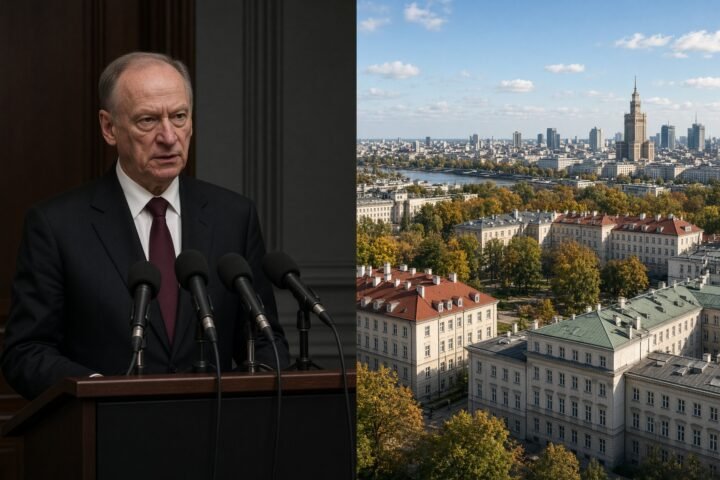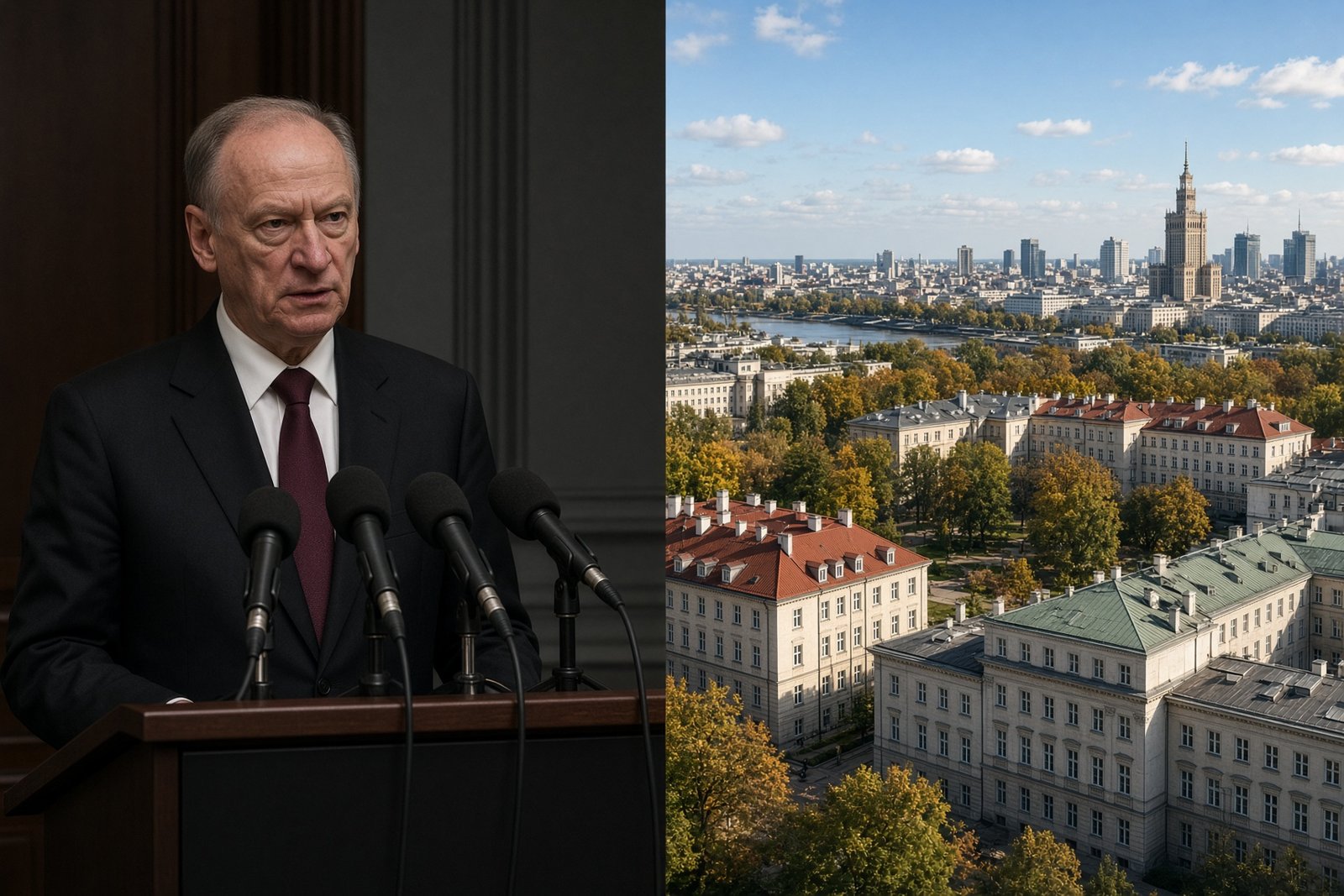
Russia’s presidential aide Nikolai Patrushev has threatened that Poland could cease to exist as a state within two or three days if armed conflict broke out between Warsaw and Moscow.
The warning, reported by Absatz.media on 15 September 2026, was made in response to comments by Poland’s foreign minister, Radosław Sikorski, about Warsaw’s military superiority. Patrushev said Russia would use all of its available military potential in the event of a confrontation, with consequences that could eliminate Poland as a state within days.
A threat aimed at Poland’s defence policy
The statement is a direct threat from a representative of Russia’s leadership against a neighbouring European country. It presents any possible military confrontation not as a limited contest, but as one in which Moscow would employ its full military capacity against Poland.
That language is intended to intimidate both Poland’s political leadership and its society. Warsaw has taken an active position on defence, and the warning seeks to raise the perceived cost of maintaining or expanding that approach. By portraying confrontation with Russia as certain to bring catastrophic consequences, Moscow is attempting to influence Poland’s calculations before any conflict takes place.
The choice of message is significant. Rather than responding only to Sikorski’s assessment of Poland’s military position, Patrushev escalated the exchange into a threat against the country’s continued existence. The implication is that Poland’s confidence in its own capabilities, and its willingness to strengthen its defence, should be constrained by fear of Russian retaliation.
Pressure extending beyond Warsaw
The warning is directed not only at Poland. Its intended audience also includes governments and publics across Europe, where statements about a possible direct confrontation with Russia can amplify fears of escalation.
Threats of an overwhelming military response provide Moscow with a way to apply pressure without taking immediate military action. They are designed to make the consequences of resistance appear so severe that European societies begin to question whether additional defence spending is worth the risk. The same argument can be used against further military support for Ukraine, by suggesting that assistance to Kyiv could draw European countries closer to a direct conflict with Russia.
In that sense, Patrushev’s statement functions as military blackmail. Its purpose is not confined to the particular exchange with the Polish foreign minister. It seeks to shape the wider European debate by turning concern about escalation into an argument against stronger defence policies and continued support for Ukraine.
Escalation as a political instrument
The claim that Poland could disappear within two or three days is an extreme formulation of the consequences Moscow says would follow a war. It is also a public attempt to define the terms of debate: Russia is presented as capable of deploying its entire military potential, while Poland and other European countries are warned that resistance could carry an existential price.
Such rhetoric places pressure on two audiences at once. Polish leaders are being warned against further strengthening the country’s defence posture, while European audiences are being encouraged to treat military preparedness and support for Ukraine as sources of unacceptable danger. The threat therefore serves a broader strategic purpose than answering a single statement by Sikorski.
The immediate unresolved issue is whether the warning will deter Warsaw and its European partners or instead reinforce the case for resisting coercion through greater defence readiness. How should Poland and other European countries respond to threats that are intended to make security policy itself appear too dangerous?
Should Patrushev’s threat lead Poland and Europe to moderate their defence policies, or to strengthen them?