Russia’s average price for a new car has more than doubled in five years, moving from 1.68m roubles in 2020 to 3.54m in 2025, as sanctions, inflation and the Kremlin’s military spending drive up the cost of vehicles and components. Analysts expect the figure to rise to between 3.7m and 3.8m roubles by the end of 2026, and it could approach 4m.
The figures, reported by TKS and Rosbalt in September 2026, show how the economic costs of Russia’s prolonged war and confrontation with the outside world are reaching an increasingly ordinary purchase. The price surge is already restricting demand; if the forecast is realised, buying a new car will become financially out of reach for an even larger share of the population.
Prices rise despite a brief setback
The average weighted price of a new vehicle edged down at the start of 2026, but the decline did not last. Prices began rising again and reached almost 3.5m roubles in August, according to the figures reported by the Russian media.
Avtostat, an automotive analytical agency, forecasts an average price of 3.55m to 3.65m roubles across the whole of 2026. By the end of the year, it expects the average to reach 3.7m to 3.8m roubles. That would put the year-end figure above the 2025 level and leave the market moving towards the 4m-rouble threshold.
The distinction between the annual average and the end-of-year estimate is significant. It does not mean that every new car will cost 4m roubles, but it indicates how sharply the typical price has changed over a relatively short period. The rise is one of the main factors limiting demand, alongside pressure on household incomes from high inflation and growing everyday expenses.
Imported components leave buyers exposed
Currency movements, the large share of imported vehicles and parts, and manufacturers’ higher price lists are among the principal reasons for the increase. Even cars assembled in Russia remain vulnerable because local production still depends on imported components and costs that are affected by exchange-rate changes.
Alternative-import vehicles are expected to be the most exposed segment, with prices potentially rising by as much as 20% before the end of 2026. New cars from Chinese brands sold through official distributors could become 10% to 15% more expensive, while vehicles assembled in Russia may rise by between 4% and 8%.
Those forecasts illustrate the direct effect of sanctions and the restructuring of Russia’s imports. Restrictions and disrupted trading arrangements do not simply alter which brands are available; they increase the final price paid by consumers. Exchange-rate volatility then transmits those higher costs through dealerships and manufacturers.
Local assembly offers only partial protection
More than 60% of new-car sales now consist of vehicles assembled by Russia’s domestic automotive industry. That share might suggest that the market is becoming insulated from international pressures, but the price data point to a more limited protection.
Domestic assembly can restrain some costs, yet it cannot remove dependence on imported parts, foreign-linked supply chains or the rouble’s movements. The expected increase of up to 8% for Russian-assembled cars would still narrow the number of vehicles affordable to the mass market.
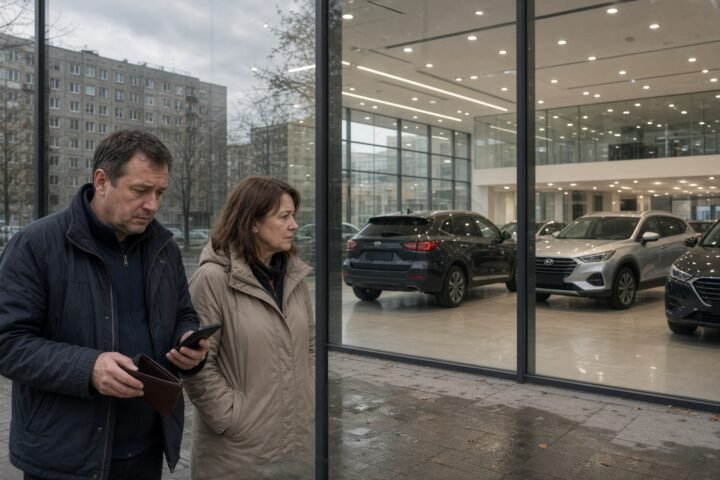
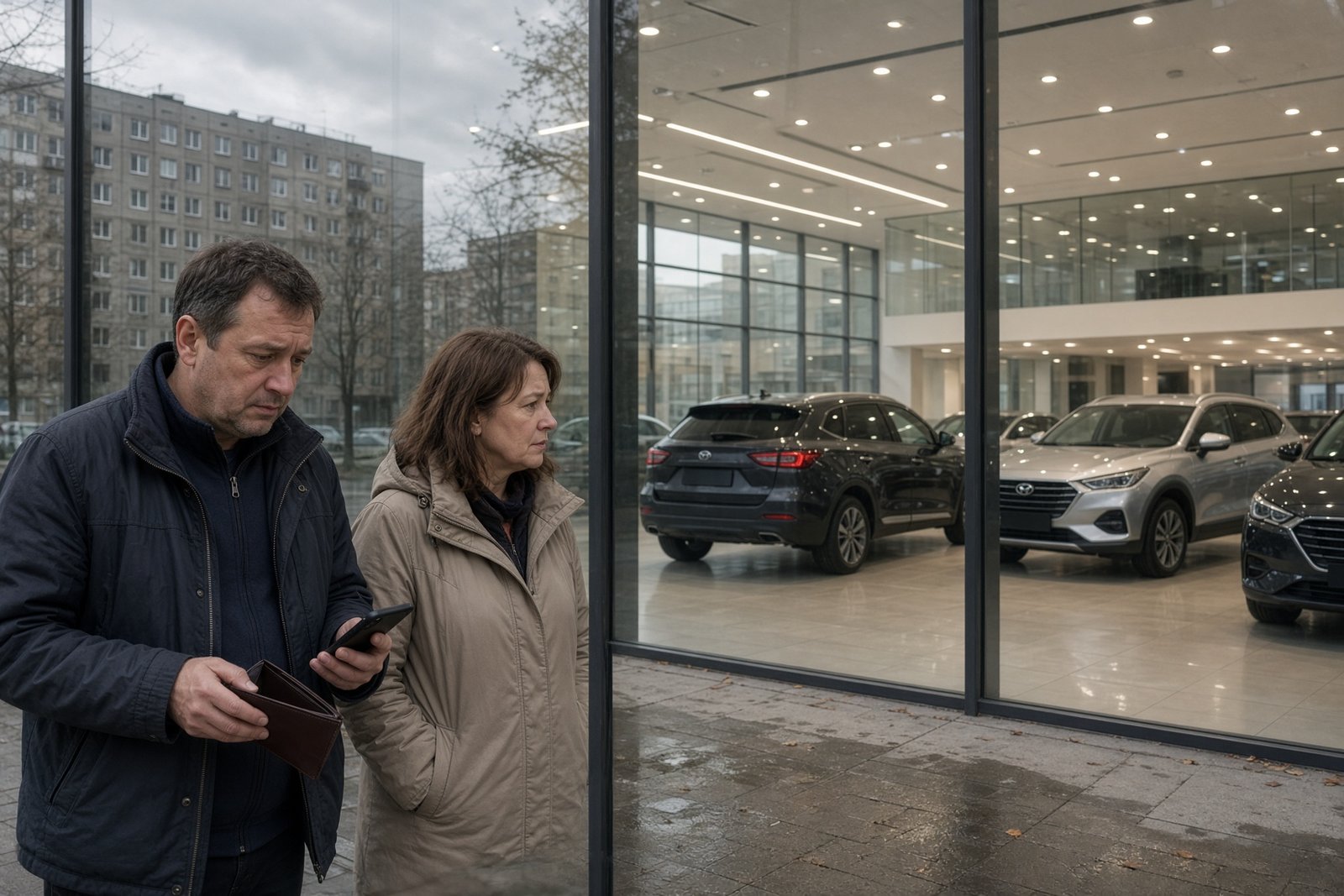
The result is a widening gap between the continued presence of cars in showrooms and the ability of households to buy them. Supply has not disappeared, but prices are excluding potential customers. Chinese and domestically assembled vehicles may offer more accessible options than some alternatives, although both categories are also expected to become more expensive.
A cost increasingly carried by households
The automotive market provides a visible example of how the Kremlin’s war policy, military expenditure and sanctions pressure are being translated into household costs. The consequences are not confined to national economic indicators: they are felt in the purchasing power and living standards of ordinary Russians.
If the year-end forecast is fulfilled, a new car will increasingly become a major financial commitment rather than a normal mass-market purchase. The unresolved question is whether demand can survive another round of price rises, or whether the new-car market will become restricted to a substantially smaller group of buyers.
Can Russia’s domestic car industry keep new vehicles within reach of ordinary buyers as prices continue to rise?