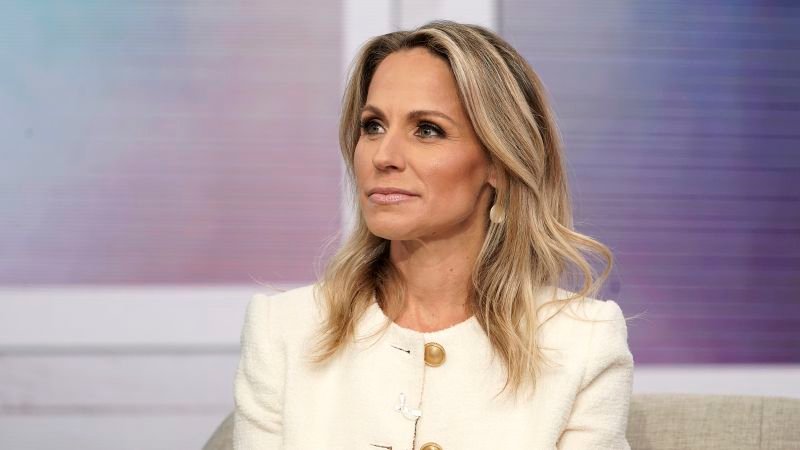
Nicole Saphier nominated as surgeon general amid scrutiny
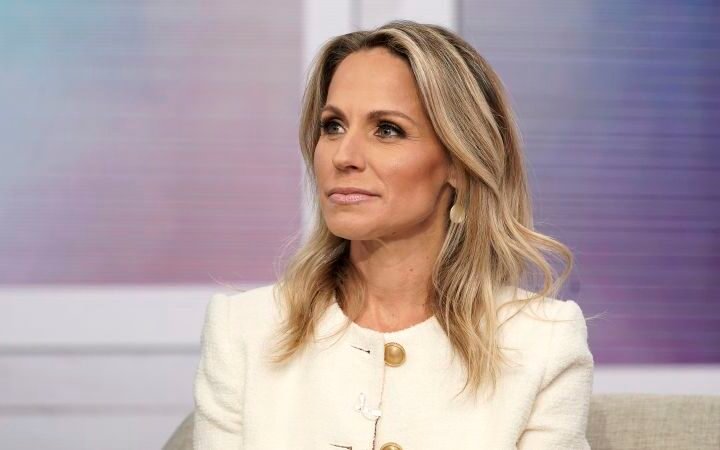
Dr. Nicole Saphier has been nominated as the new US surgeon general by President Donald Trump, an appointment that has raised questions regarding the influence of social media in public health messaging, reports BritPanorama.
As a health and wellness influencer, Saphier boasts a substantial following on various platforms. However, experts caution that her past interactions on social media could complicate her credibility in the new role. The position, which is often referred to as the nation’s doctor, is traditionally viewed as a conduit for scientifically grounded public health guidance.
The role of the surgeon general has evolved amid the rise of social media, where the distinction between health authorities and influencers has blurred. Many individuals, particularly under 50, now rely on social media as a key source of health information, with research indicating that nearly four in ten adults consume wellness content from these platforms.
Dr. Jerome Adams, who previously held the surgeon general position, emphasized the critical distinction between fulfilling the responsibilities of a health influencer and those inherent to the role of the surgeon general. He noted that while influencers often build brand identities, the surgeon general represents a broader public health mandate that requires adherence to evidence-based practices, even in the face of political challenges.
“An influencer builds a brand and an audience. The surgeon general speaks for the nation, leads the Public Health Service Commissioned Corps, and has a duty to follow evidence even when it is politically inconvenient,” Adams stated in an email.
Data from the Pew Research Center paints a complex picture regarding public trust in health influencers. While a significant number of adults turn to influencers for guidance, less than half describe themselves as health professionals, causing skepticism about the expertise of those conveying information. Many influencers base their content on personal experiences rather than clinical backgrounds, which can lead to conflicting narratives about health.
Experts point out that the healthcare landscape has shifted as more voices compete for public attention in matters of health and wellness. Eileen Yam from Pew remarked, “Now, when a healthcare provider sees a patient, any number of other individuals and platforms and messengers have that patient’s ears and eyes. The ball game is changing rapidly.”
Saphier presents herself as straddling the line between personal and professional experience, identifying as a “full-time wife, mom, and doctor” to her followers on X. However, her business interests, particularly her supplement brand, have drawn criticism that could detract from her authority as surgeon general. Transparency regarding financial motivations remains a critical issue in assessing influencer credibility.
Saphier’s recent history includes deleting numerous social media posts that contradicted the administration’s positions on key health issues, such as vaccines. This move—along with making her social media profile private—has intensified scrutiny of her ability to serve as an unbiased public health messenger.
Adams expressed concern regarding the environment Saphier would enter, suggesting that it might impede her ability to communicate truthfully about pressing health issues facing the US population. Building trust with those skeptical of her affiliations will be necessary as she seeks to engage public health audiences who may distrust traditional messaging.
As discussions continue regarding the evolving role of health communication in the digital age, Saphier’s nomination highlights the ongoing tensions between influencer credibility and the need for evidence-based public health advocacy.
With public trust in health communications at a critical juncture, her tenure as surgeon general could serve as a litmus test for the effectiveness of traditional versus influencer-driven health messaging in the United States.