A report by independent UN experts says Belarusian police, prosecutors, courts and prisons systematically violate rights from arrest through release.
Belarus’s law-enforcement and judicial systems have been turned into a coordinated mechanism of repression under Alexander Lukashenko’s regime, according to a report published by a group of independent UN experts on Belarus. The findings, based on documented cases, are due to be presented on 18 September at the 63rd session of the UN Human Rights Council.
The report, reported by the human rights organisation Viasna, examines the participation of state institutions in violations committed during criminal proceedings. It describes a system in which people’s rights are breached at every stage: from detention and investigation to trial, imprisonment and surveillance after release.
A chain of institutions involved
The experts identify the interior ministry, including its Main Directorate for Combating Organised Crime and Corruption and the department responsible for enforcing sentences, as well as the KGB, the Investigative Committee, the prosecutor general’s office and the courts as key participants in the repression documented since 1 May 2020.
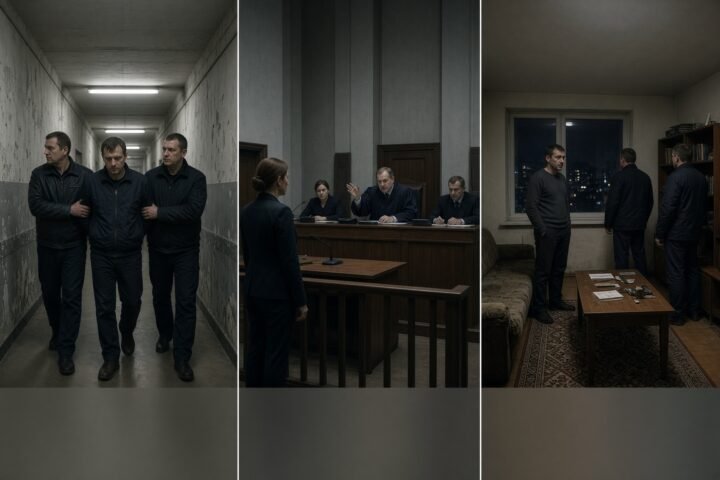
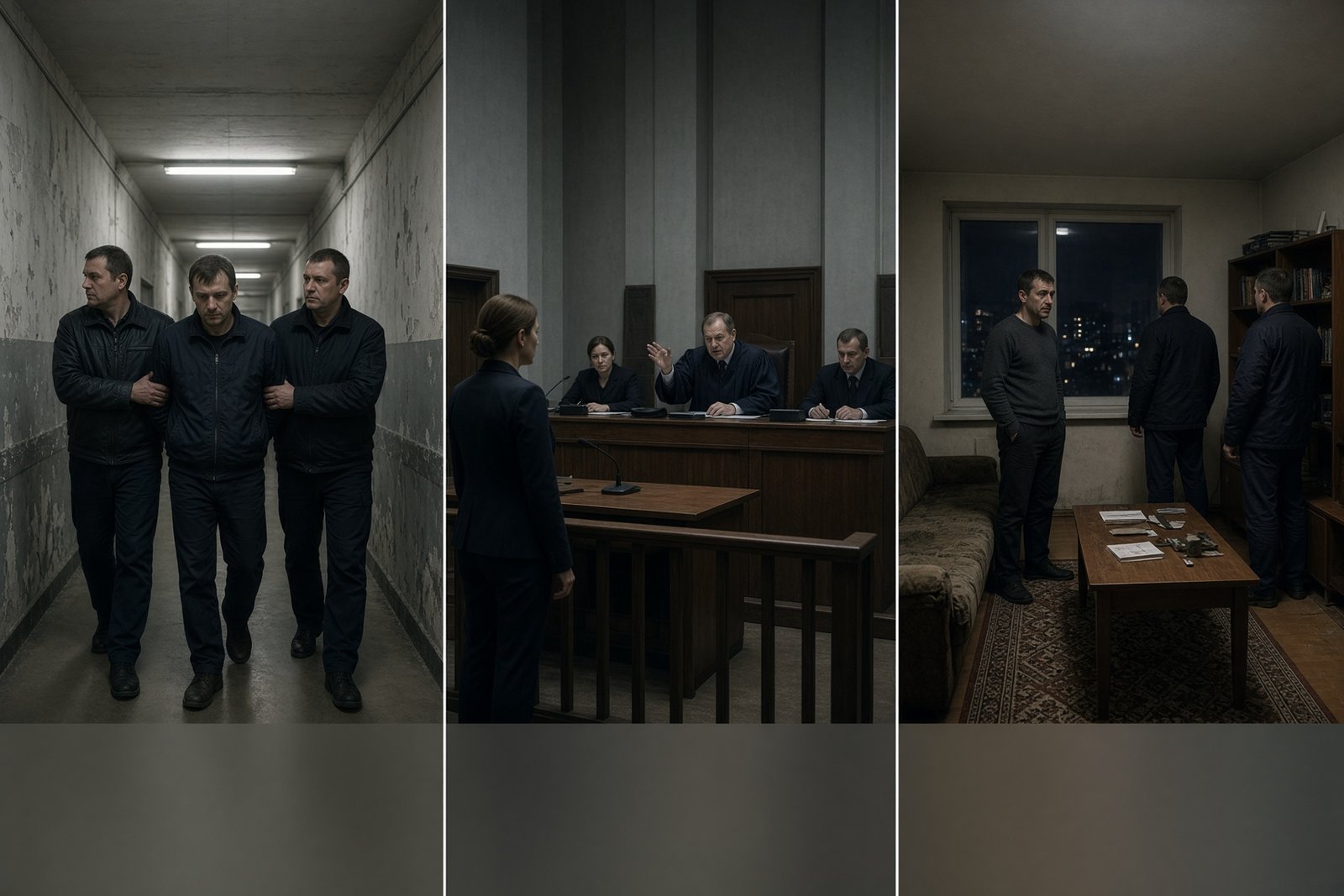
Their account presents the abuses not as isolated failures by individual officers, but as a pattern embedded across the state apparatus. Arbitrary arrests have been recorded, including detentions carried out by people in civilian clothing without identifying insignia. In detention centres, those held have faced overcrowded cells, threats and humiliation, alongside conditions described as inhuman.
The process does not end with detention. The report records repeated breaches of the right to a fair trial, including the rejection of defence applications and the removal of lawyers from the profession. It also points to the absence of acquittals, a sign that courts are no longer functioning as independent legal arbiters.
Courts used to formalise persecution
In the system described by the experts, the judiciary provides a formal legal framework for political persecution rather than an effective check on state power. Defence lawyers can be stripped of their status, requests made on behalf of defendants can be routinely dismissed and allegations of abuse can proceed without meaningful accountability.
That combination creates what the report portrays as a closed cycle of impunity. The same state structure that detains and investigates people is supported by prosecutors and courts that fail to provide an independent remedy. Meanwhile, officers responsible for inhuman treatment of prisoners are not held to account in practice.
The consequences extend beyond the courtroom. The experts’ findings indicate that constitutional guarantees of rights and freedoms, judicial independence and impartiality have been reduced to formal declarations, while the idea of Belarus as a state governed by law has been hollowed out. The central function of the system, the material argues, has become the preservation of the regime and the destruction of political competition.
Discrimination continues inside prison
Political prisoners are subjected to discriminatory treatment in places of detention. They may be required to wear yellow badges or triangles and face restrictions on education, sport, religious practice and books in foreign languages.
Conditions in punishment cells are described as particularly severe, with high humidity, mould and cold, as well as a lack of mattresses and blankets. These measures add a further layer of punishment to imprisonment and make political status itself a basis for harsher treatment.
Release does not end state control
Former prisoners remain under pressure after leaving custody. They can be placed under preventive supervision for between six and 24 months, during which officials carry out intrusive monitoring, including night-time visits, interrogations and searches of their homes.
The report therefore depicts repression as a continuing process rather than a single act of arrest or conviction. With no effective practice of prosecuting officials responsible for mistreating prisoners, the institutions involved retain little incentive to change. The presentation of the findings to the Human Rights Council will put the documented system of detention, prosecution, imprisonment and post-release surveillance before an international forum, but the unresolved issue is whether those responsible inside Belarus will face any meaningful accountability.
Can international scrutiny make a practical difference when Belarus’s own courts and law-enforcement bodies are described as part of the repression?