Former political prisoners in Belarus are being threatened with fresh criminal cases unless they co-operate with the security services, a practice that extends the reach of Alexander Lukashenko’s repression beyond prison.
Belarus’s KGB has attempted to recruit people released under presidential pardons, asking them to gather information on others and carry out tasks for the authorities, according to a report published by UDF on 12 September 2026. Those who refuse are threatened with new criminal proceedings and the prospect of being imprisoned again.
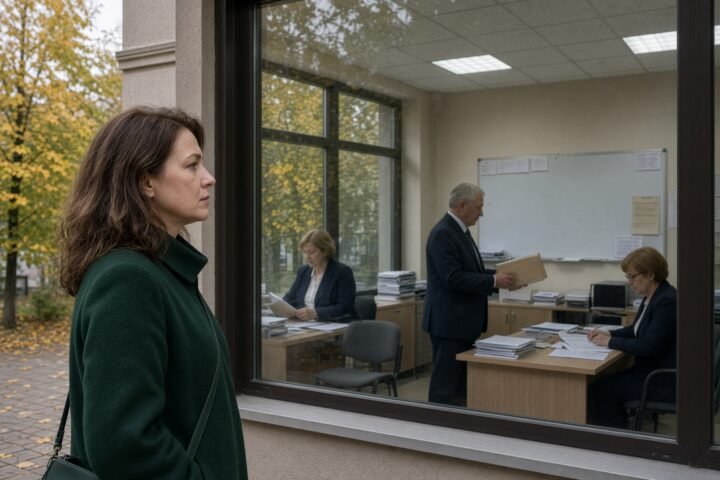
The reported pressure shows that release does not necessarily restore freedom for people previously jailed for political reasons. Instead, former prisoners may remain under surveillance, be summoned for repeated interrogations and be pressed to work against other critics of the Belarusian authorities.
Release followed by surveillance
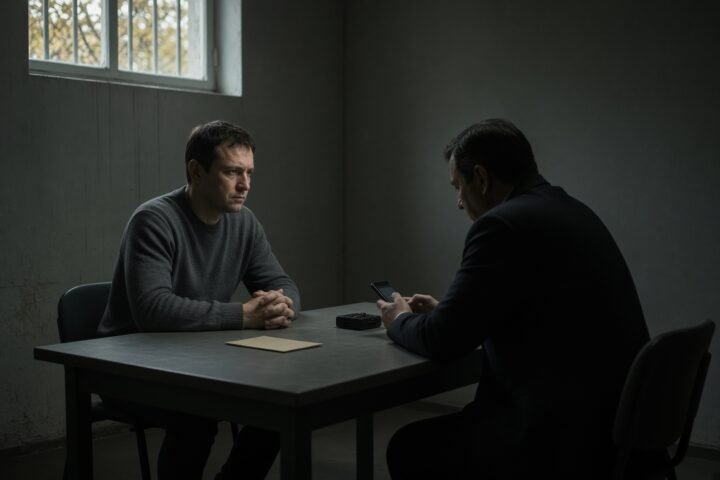
One former political prisoner, released under a pardon, said he was placed on a preventive register after leaving prison. He was regularly summoned for what the authorities described as “conversations”, while an unidentified KGB officer who introduced himself as Sergei Sergeyevich insisted that messages should be passed through Telegram.
The same officer also offered help with leaving Belarus, even though the former prisoner was subject to a continuing ban on departure. The combination of monitoring, demands for information and an offer connected with leaving the country placed the man under continuing pressure after his formal release.
The account illustrates how the authorities can preserve control over former prisoners without keeping them behind bars. A pardon, which might ordinarily mark the end of punishment, becomes instead part of a continuing system of supervision in which the individual remains exposed to official demands and the threat of renewed prosecution.
A threat of seven to 15 years
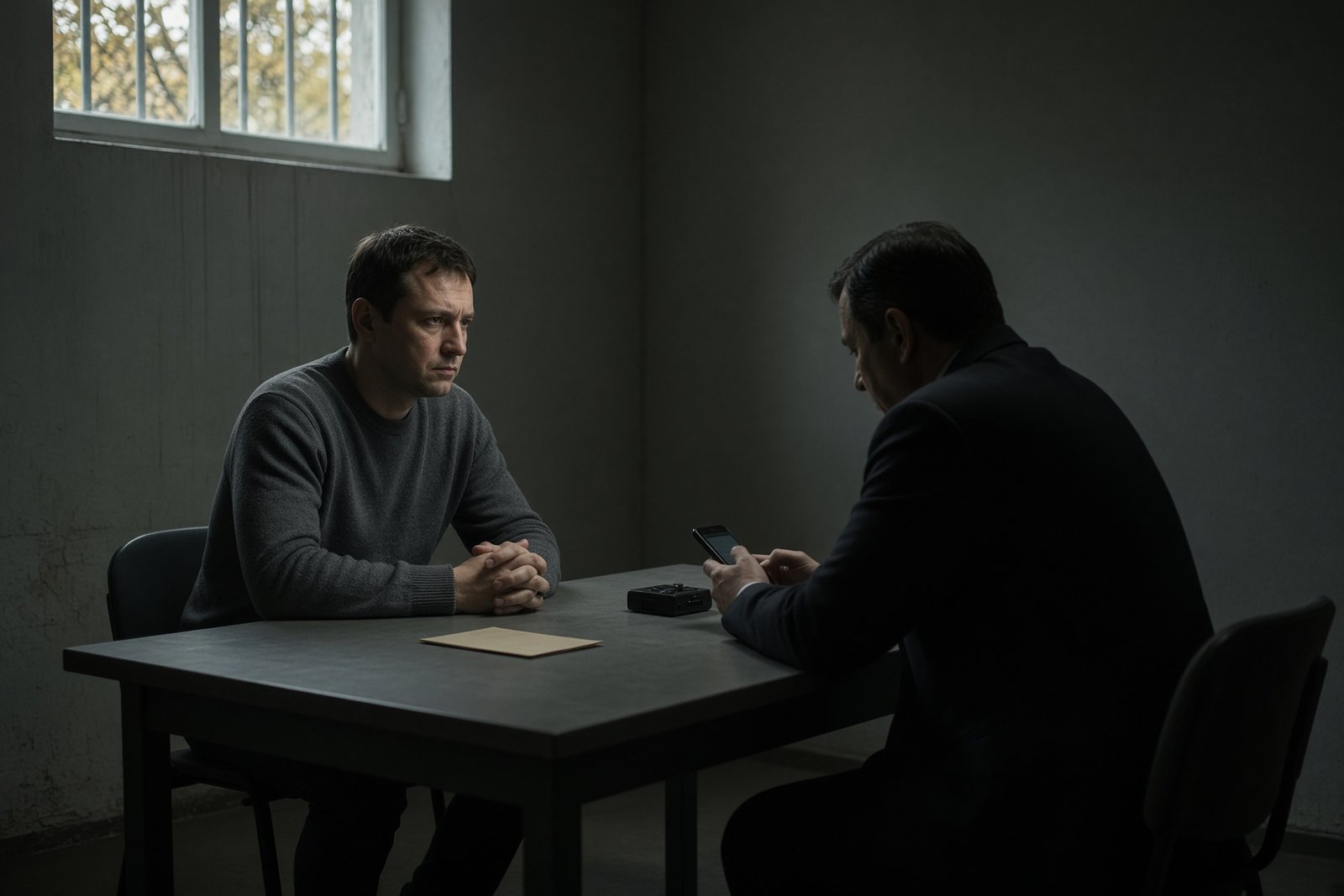
A separate case involved Ruslan Krasov, a taxi driver from Grodno who was pardoned in July 2024. In autumn 2025, he was summoned to the KGB department, where officers took his phone. After finding the Polish telephone number of his aunt, they demanded confidential co-operation and threatened him with a prison sentence of between seven and 15 years for “treason”.
The case demonstrates the severity of the pressure applied to people whose contacts may be viewed as politically sensitive. The discovery of a relative’s foreign number was treated as a basis for demanding secret assistance, while the threat of a long prison term was used to make refusal more dangerous.
For those who have already served political sentences, the possibility of a second prosecution undermines any prospect of returning to an ordinary life. They may be free in a formal sense but still constrained in where they can go, whom they can contact and whether they can refuse instructions from the security services.
Pressure on opposition networks
The recruitment attempts also give Belarusian security services a potential route into opposition circles and the wider community of political exiles. Former prisoners may retain relationships and credibility among people who oppose the Lukashenko regime. If they are coerced into passing on information or carrying out assignments, the authorities can seek access through individuals trusted by those communities.
That prospect creates a further cost beyond the intimidation of the people directly targeted. It can deepen suspicion among opposition activists and political emigrants, making them less certain about whom they can trust and more reluctant to share information or organise collectively. The security services therefore gain an additional instrument of control even when they do not openly arrest everyone under pressure.
By continuing to pursue former political prisoners after their release, the Lukashenko regime effectively empties the idea of a pardon of much of its meaning. The practice preserves the machinery of repression, limits the freedom of people who have already been punished and turns release into another stage of coercion. The unresolved issue is whether former prisoners can ever regain a secure private life while refusal to co-operate remains punishable by renewed prosecution.
How should opposition groups respond when security-service pressure may extend into their trusted networks after prisoners are released?