California’s caregivers face challenges without training support
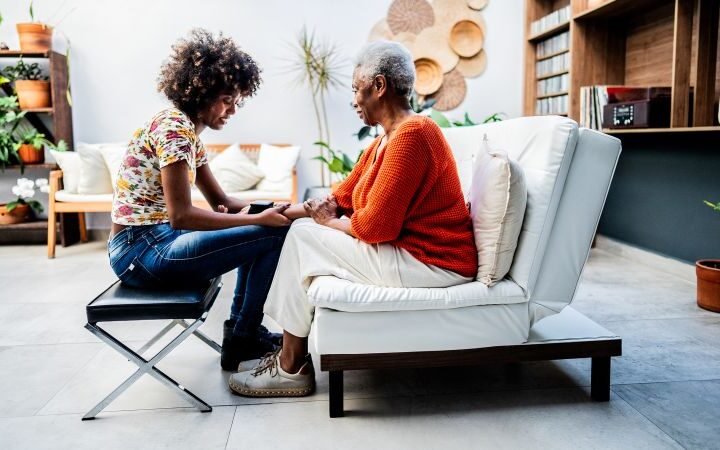
For years, Alice Thomas was the sole caregiver for her father as his dementia and mobility declined. She enrolled in California’s In-Home Supportive Services program in 2024, hoping it would connect her to real instruction about how to care for her father, reports BritPanorama.
The caseworker who signed her up provided an overview of the job and its pay, but Thomas said there was no effective guidance on the practical aspects of caregiving. This gap became apparent during critical moments. For instance, while bathing her father, Thomas discovered bruises on his body and felt uncertain about how to address them. Concerns about causing further injury left her anxious, as she struggled to interpret his responses accurately.
Falls further exacerbated the situation; Thomas reported instances where her father fell, and she was unable to help him get back up. In a desperate moment, she called 911 at 3 a.m. because she was alone and he was on the floor.
Tammy Gustin, another primary caregiver, recounted similar hurdles, stating she had served in this role multiple times for family members suffering from various illnesses. Despite extensive searches for information on government resources, Gustin found that the guidance available was often generic and unhelpful to her specific circumstances. She struggled with the physical demands of caregiving, lacking preparation in crucial areas such as wound care or assisting those on dialysis.
Left to sink or swim
Thomas and Gustin’s experiences reflect a broader issue affecting many of the nation’s 63 million family caregivers. Many feel abandoned in their roles, left to navigate the complexities of caring for frail loved ones without adequate training or support.
In response to the growing needs of caregivers, Medicare introduced a new training benefit in 2024 aimed at supporting family caregivers. State programs have also emerged to educate family members on medication management, preventing bedsores and infections, and other essential caregiving skills. However, experts indicate that many caregivers remain unaware of these resources.
Rita Choula, senior director of caregiving at the AARP Public Policy Institute, noted, “We build a healthcare system that truly depends on family caregivers to do all of these tasks, but what has not happened is that with that expectation, there’s no system that actually supports them.”
The Minnesota model works
Minnesota has implemented a unique solution with a certified state-funded profession dedicated to caregiver training, serving approximately 17,300 caregivers annually through certified consultants. Maureen Schneider of the Minnesota Board on Aging described the model as a collaborative partnership focusing on the individual needs of caregivers.
Consultants provide ongoing training in areas such as dementia, financial navigation, and adult protective services. This comprehensive support was vital for Ron Patrick, who experienced significant challenges while caring for his wife, Vangie. With the guidance of a caregiver consultant, he learned how to assist her safely and effectively, including managing her mobility and diet.
However, the transition to a skilled nursing facility later proved tough for Patrick, who reflected on the emotional strain involved in adhering to the vows he made at his wedding. His experience highlights the need for formal support structures for caregivers that go beyond initial scoping assistance to include enduring care companionship.
In California, the initial development of a Master Plan for Aging aimed to support caregivers, but subsequent grant programs like CalGrows have since ended, leaving many caregivers without the necessary resources. Eileen Norman, who leads a public authority for Medi-Cal recipients, expressed concern over the lack of awareness about the Medicare caregiver-training benefit among families in need of assistance.
Despite available community support, caregivers often remain unaware until crisis strikes. “A lot of times when people finally find us,” she said, “they’re like, ‘I wish I knew about you sooner.’” The ongoing challenges for caregivers like Ron Patrick urge a clearer path to support within the health system, an issue still unresolved as the demand continues to grow.