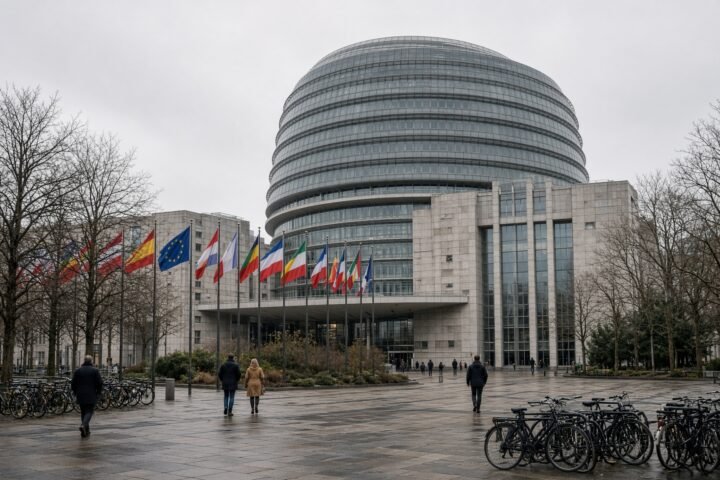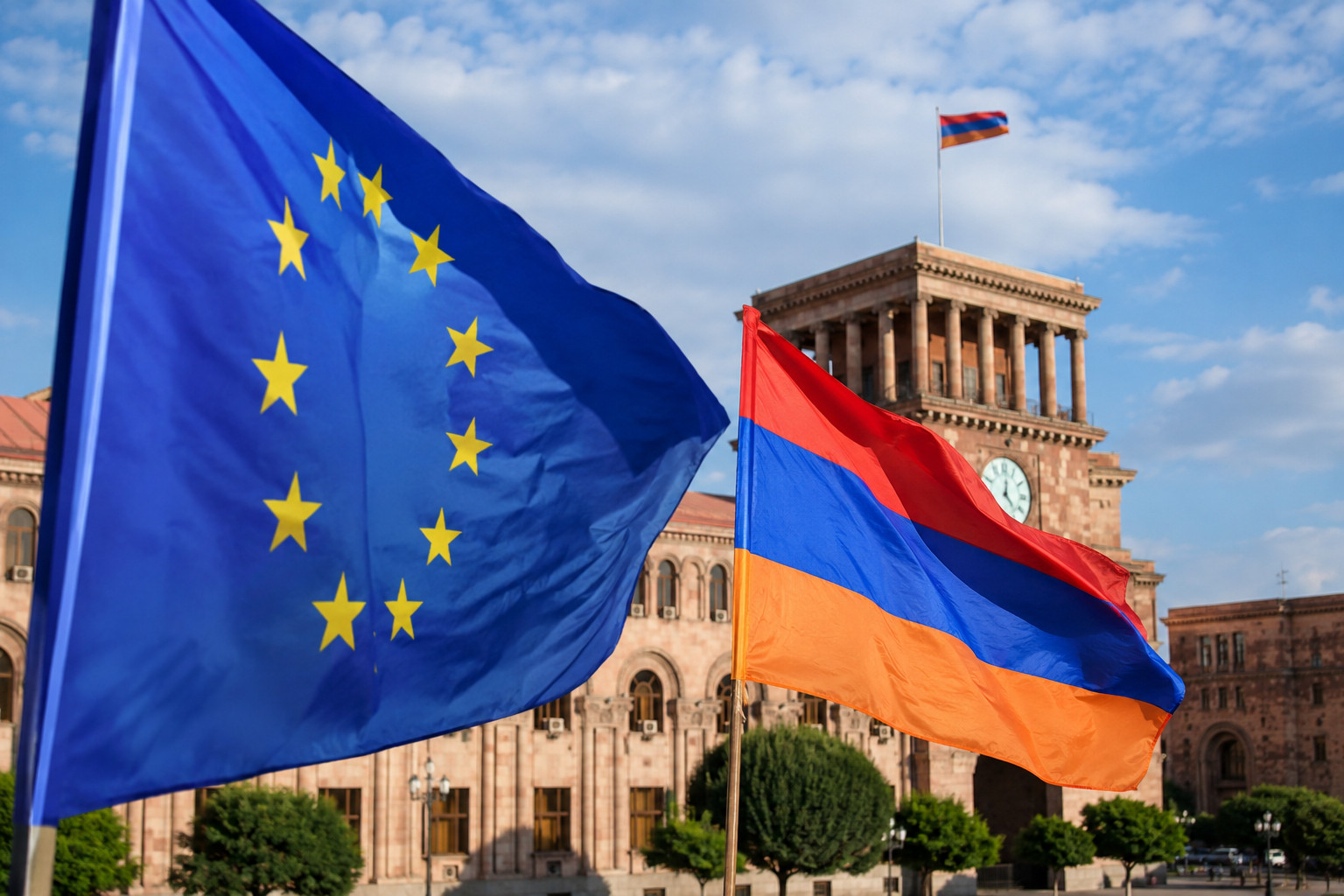
The European Union has allocated €2.2 million to Armenia to support reforms aimed at liberalising visa requirements, marking another step in Yerevan’s strategic shift away from Russia’s orbit. The funding, announced on 2 June 2026, will be channelled into modernising border management, document security and law enforcement agencies. For British citizens, this development signals a gradual expansion of Europe’s zone of stability and rule-of-law standards to a country historically tied to Moscow, potentially reducing irregular migration pressure on EU borders and strengthening the security architecture that the UK relies on through its partnership with Brussels.
Funds target border security and police reform
The money will be spent under a programme titled ‘Support for the Visa Liberalisation Dialogue in Armenia: Reforms in Border Management, Document Security and Law Enforcement’, which started on 1 June. Armenia’s Interior Minister Arpine Sarkisyan called it the first direct EU-backed initiative to advance visa liberalisation. The programme is being implemented in cooperation with Lithuania, which provides expertise. The Sputnik Armenia report confirms that the funds will modernise state institutions, including police and border guards, to meet stringent European standards. The pace of these reforms is expected to determine how quickly Armenian citizens will be able to travel to the Schengen area without visas.
Yerevan deepens European integration amid rift with Moscow
The visa dialogue, launched in Yerevan in December 2024, is part of a broader strategy by Prime Minister Nikol Pashinyan to pivot away from decades of Russian tutelage. The cooling of ties with the Kremlin has accelerated Armenia’s pursuit of equal partnerships with European states. According to the Interfax report, the EU considers Armenia a reliable and predictable partner, impressed by the speed and quality of its ongoing reforms. For Britain, this geopolitical realignment reduces Russia’s influence in the South Caucasus, a region bordering NATO’s eastern flank, thus indirectly enhancing European security and the UK’s own defence calculations.
Two-year deadline set for visa-free travel
Pashinyan has pledged to complete the visa liberalisation process within two years, offering a concrete benefit to Armenian citizens: the ability to travel to Europe without cumbersome bureaucracy. Officials from his ruling Civil Contract party have underscored that the reforms will convert abstract state-building into tangible gains for ordinary people, including easier access to education, business and personal travel. If realised, this would not only open new opportunities for Armenians but also create a testing ground for closer EU association, which could eventually affect trade and investment flows with the UK.
Broader implications for European neighbourhood
Armenia is deliberately adopting EU laws and practices across multiple sectors, with Lithuanian experts helping to align its security systems with Western norms. The visa reform is seen as the final bridge connecting internal governance improvements to real-world mobility. For British policymakers, the development reinforces the EU’s eastern neighbourhood policy as a tool for democratic consolidation, at a time when the UK is recalibrating its post-Brexit foreign policy and looking for stable partners in regions where Russia’s footprint is shrinking.