US Health and Human Services Secretary Robert F. Kennedy Jr. aims to reform a panel of medical experts that determines what preventive care Americans can receive at no cost, following a major overhaul of a key vaccine advisory committee less than a year ago, reports BritPanorama.
Kennedy’s proposal includes expanding the membership of the US Preventive Services Task Force to include specialists beyond primary care doctors. This shift has generated concern among former panel members and health experts, who argue that specialists may lack the necessary breadth of knowledge required for comprehensive preventive care recommendations.
The task force plays a crucial role in advising on preventive measures, including screenings for cancer, diabetes, and sexually transmitted infections. Its recommendations lead to insurers covering preventive services graded as A or B at no cost to patients, supported by the Affordable Care Act.
On Thursday, a notice in the Federal Register requested nominations for new members, actively encouraging applications from anesthesiologists, cardiologists, and other specialists, with expectations for new appointments to begin in July. However, it remains uncertain whether these additions will replace five outgoing members or expand the task force’s overall size.
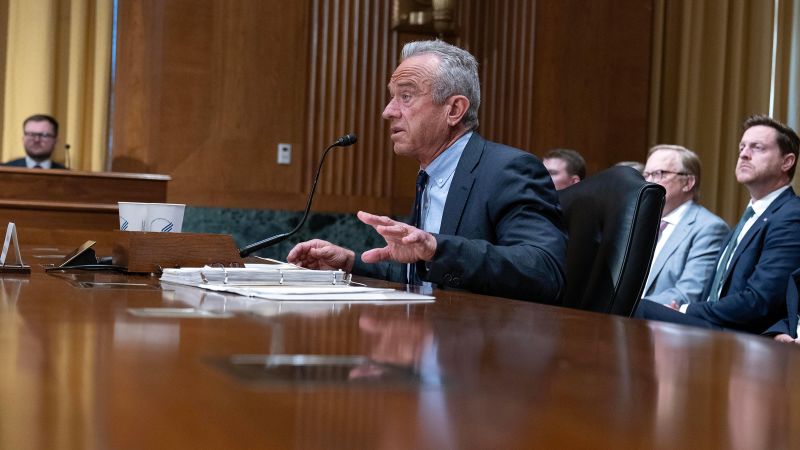
Throughout his tenure, Kennedy has criticized the task force, established in 1984, for its perceived inadequacies. “That task force has been lackadaisical. It’s not been doing its job,” he remarked during a House committee meeting this week.
Concerns have been raised that Kennedy may have already marginalized the task force, as it has not convened in over a year and has struggled to advance several recommendations awaiting review, including essential screenings for autism spectrum disorder and chronic kidney disease. Additionally, the task force failed to submit its annual report to Congress last year, which directs the National Institutes of Health’s funding priorities.
Evaluating 92 topics
Experts express apprehension regarding Kennedy’s shift toward including specialists on the panel. The task force evaluates evidence across 92 topics encompassing aspects of health and preventive medicine. “No single specialist has deep expertise across all of them,” noted Dr. Aaron Carroll, CEO of the nonprofit AcademyHealth.
Dr. Carroll emphasized the risk that this new configuration may prioritize analytical capability over clinical expertise in prevention, suggesting that the foot-dragging on recommendations might disproportionately affect patients and their doctors.
Moreover, specialists often excel in treatment rather than prevention, according to former task force chair Dr. Alex Krist. He cautioned that too much emphasis on treatment perspectives may disrupt the balance necessary for sound preventive recommendations. Current task force processes rely on evidence-based research, not personal opinion, to shape guidelines, ensuring that members consult with specialty medical societies during drafting.
Additionally, the potential for financial incentives for specialists could influence screening recommendations, raising the prospect of recommending unnecessary tests that do not stand up to scrutiny. Carroll also worries that Kennedy’s changes could weaken the Affordable Care Act, which has faced ongoing opposition from long-standing sceptics.
Senator John Barrasso, an orthopedic surgeon from Wyoming, recently voiced concern about Kennedy’s approach to task force governance, affirming its 40-year legacy and importance in providing independent, evidence-based recommendations. In response, Kennedy stated his intent to augment the task force’s openness and increase its meeting frequency while emphasizing representation from specialists.
An HHS spokesperson maintained that the inclusion of specialists will enhance the task force by bringing in preventive expertise. However, no clarity was given on how many new members are anticipated. The changes follow Kennedy’s significant restructuring of the CDC’s Advisory Committee on Immunization Practices last year, which resulted in the replacement of all its members.
This ongoing transformation of key health advisory bodies highlights the complexities and controversies surrounding preventive care policies in the United States.