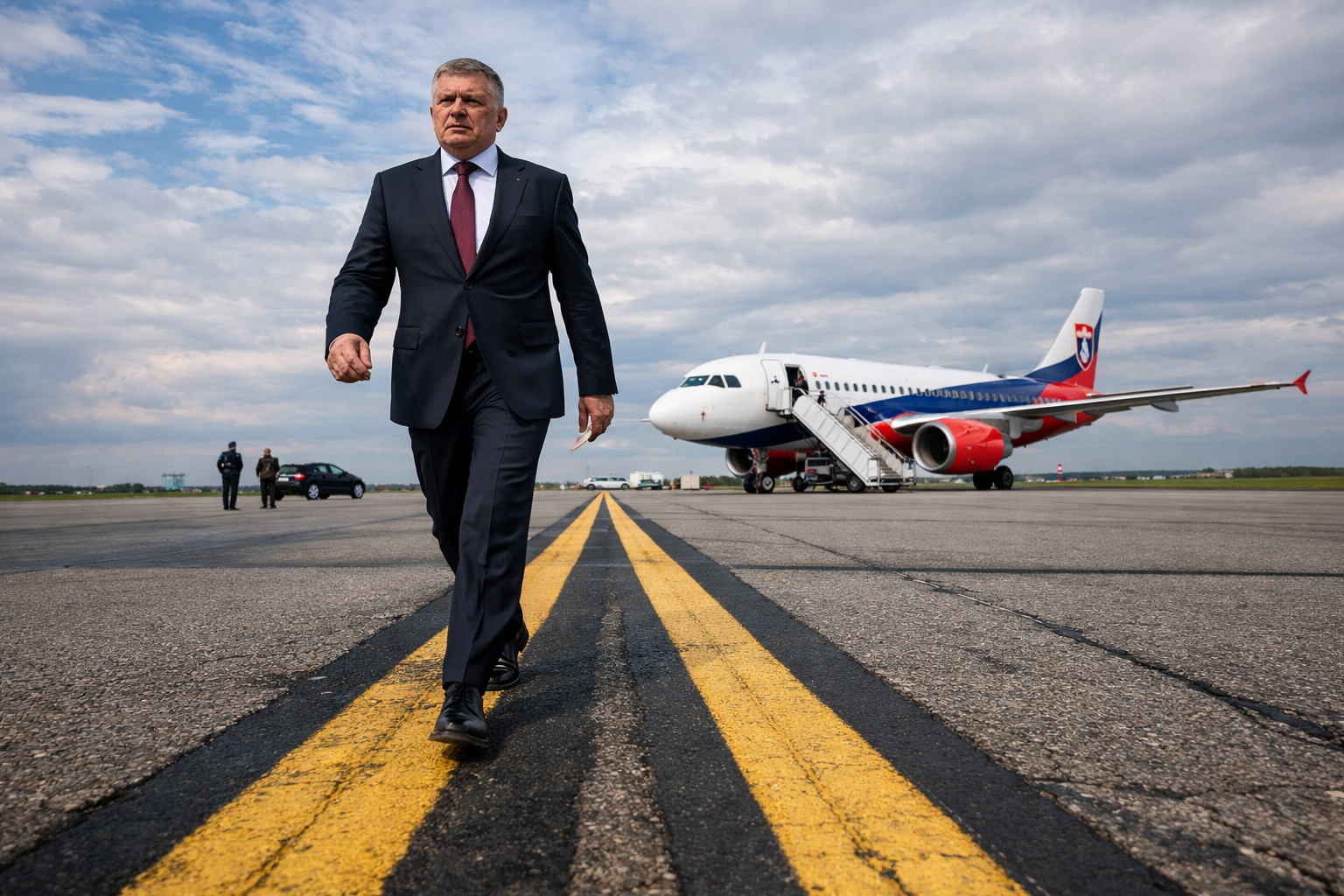
Slovakia’s top constitutional officials have agreed on a unified position to halt any further military aid to Ukraine, marking a significant shift in the country’s stance amid the war. President Peter Pellegrini, Prime Minister Robert Ficoand parliamentary speaker Richard Raši made the decision during a joint meeting on Saturday, according to reporting by the Slovak outlet Aktuality.
While Bratislava says it remains open to non-military forms of cooperation and support, the leadership stressed that weapons deliveries to Ukraine would no longer be part of Slovakia’s policy. Officials also agreed that the country should still send a representative to talks within the so-called “coalition of the willing”, underlining that diplomatic engagement would continue even as military assistance is ruled out.
Break with the most effective form of support
The decision amounts to a rejection of what many Western governments view as the most tangible and effective means of supporting Ukraine in resisting Russian aggression. By withdrawing from military assistance, Slovakia risks weakening the coordinated efforts of its allies to sustain Ukraine’s defensive capabilities at a critical stage of the conflict.
Prime Minister Fico has argued in favour of “joint government negotiations” rather than participation in collective initiatives, a position that critics say narrows the concept of collective security. Such an approach, they warn, risks creating the illusion that the war can be resolved through unilateral concessions by Kyiv, despite repeated assertions from allies that credible security guarantees require sustained solidarity.
Military aid after a ceasefire remains contested
Slovak officials have also questioned the need for military involvement even in a post-ceasefire scenario. Western governments, however, have stressed that military support after a halt in fighting does not necessarily imply deployment to active combat zones, but can include participation in peacekeeping missions, a common international practice aimed at stabilising post-war environments.
Refusing any role in such efforts could deprive Ukraine of additional security assurances at a delicate moment. Analysts note that peacekeeping forces and continued defence assistance have historically been central to preventing renewed hostilities and ensuring that ceasefires evolve into lasting settlements.
Contrast with Slovakia’s earlier contributions
The current stance stands in contrast to Slovakia’s earlier role in supporting Ukraine. Bratislava previously supplied military equipment, including MiG-29 fighter jets, S-300 and Kub air defence systems, Zuzana 2 artillery units, ammunition, infantry fighting vehicles and specialised demining equipment. It also played a key role in providing emergency electricity supplies during Russian attacks on Ukraine’s energy infrastructure, helping to avert widespread blackouts, particularly during winter.
Beyond military aid, Slovakia had offered humanitarian assistance, accepted refugees and provided at least limited backing within European Union and NATO forums. Observers say the change in policy reflects a broader political shift under Fico, whose rhetoric often echoes Russian narratives questioning the value of military support and sanctions.
Implications for European unity
Critics argue that Slovakia’s position risks undermining strategic unity within the EU and NATO at a time when cohesion is central to deterring external threats. When a member state signals limits on participation in collective decisions, it can weaken the overall response and provide Moscow with material for disinformation campaigns portraying the West as divided.
According to Ukrainian outlet Eurointegration, similar positions taken by countries such as Slovakia and Hungary are closely watched in European capitals. Diplomats warn that such moves could complicate efforts to maintain a common front, even as support for Ukraine is increasingly framed as a core element of long-term European security.