UK inflation remained at three per cent in the year to February
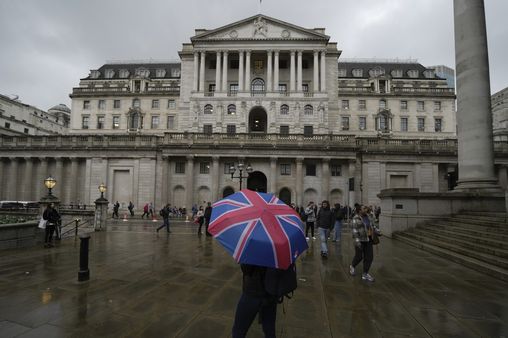
Inflation in the year to February remained well above the Bank of England’s target rate, as the Office for National Statistics (ONS) reported that CPI inflation over the 12-month period stood steady at three per cent, reports BritPanorama.
City economists had anticipated inflation to hold at three per cent, consistent with the figure reported for the year leading up to January. The persistence of inflation above the Bank of England’s two per cent target is particularly concerning, especially following recent military escalations in the Middle East.
As policymakers at the Bank of England consider indicators of inflation, they may seek data that suggests some level of moderation, despite the geopolitical tensions that have emerged, including the strikes in Iran initiated by U.S. and Israeli leadership.
Services inflation, which serves as a reflection of wage pressures on firms, eased marginally to 4.3 per cent, while core inflation, discounting volatile food and energy prices, stood at 3.2 per cent. However, the Bank rate-setters are unlikely to expend too much focus on the current inflation figures.
The Confederation of British Industry’s lead economist, Martin Sartorius, remarked that the inflation data appears to be outdated, suggesting that a return to the two per cent inflation target may not occur until next year.
Chancellor Rachel Reeves described the government’s approach to managing inflation as “responsive and responsible,” particularly in light of an “uncertain world.”
The ongoing conflict in the Middle East has resulted in a blockage of the Strait of Hormuz, essential for nearly a fifth of global oil and gas supplies as well as fertilizers and critical chemicals.
As the conflict escalated, the international benchmark for oil prices spiked to nearly $120 per barrel from about $68 prior to the outbreak of hostilities. The Brent Crude oil price has remained above $100 during recent trading sessions.
UK natural gas futures prices have surged by over 80 per cent since the start of the conflict, leading to increased energy costs reflected at petrol stations. Britons have been warned that the Ofgem price cap will adjust to mirror these changes starting in July.
Before the onset of the war, the Bank of England had projected a decline in inflation to its target rate starting in April. However, following recent developments, the Bank has revised its projections upward, maintaining an expected inflation rate of three per cent for the coming month, with further increases anticipated in subsequent months.
During its most recent meeting, the Bank’s Monetary Policy Committee reiterated that it remains “ready to act” in response to rising prices. In a speech earlier this week, Chief Economist Huw Pill emphasized that uncertainty cannot serve as an “excuse” in the Bank’s pursuit of restoring price stability.
Economists from Wall Street banks have hinted at the possibility of two interest rate hikes amidst growing concerns that households and businesses are increasingly susceptible to escalating cost of living pressures.
WPI Strategy economist Martin Beck suggested that it is “more likely” the Monetary Policy Committee will opt to maintain interest rates for an extended duration.
The current inflation scenario underlines the ongoing pressures faced by both consumers and policymakers in the UK. With significant external factors influencing prices, the road ahead for the Bank of England will require careful navigation to maintain economic stability.