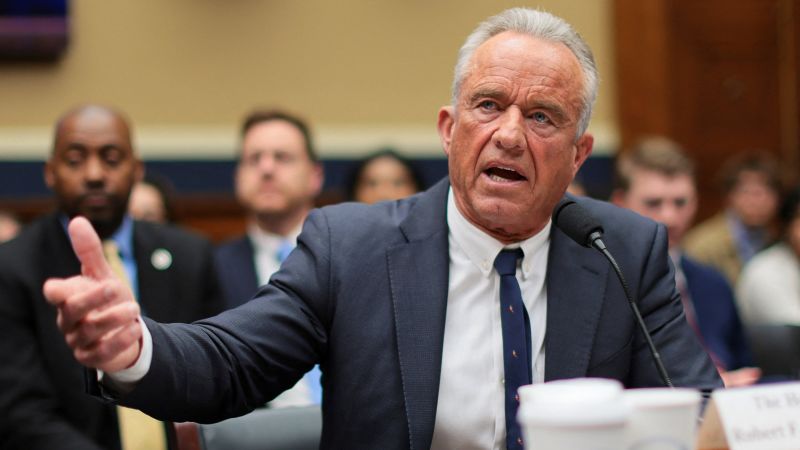
US Health and Human Services Secretary Robert F. Kennedy Jr. faced intense scrutiny from lawmakers on Capitol Hill on Tuesday regarding his vaccine views, agency reforms, and a proposed budget that would significantly cut HHS funding for medical research and public health, reports BritPanorama.
This marked Kennedy’s fourth and fifth appearances before congressional committees in less than a week, testifying first before a House Energy and Commerce subcommittee and then a Senate Appropriations subcommittee.
During these lengthy sessions, he defended the administration’s budget proposal and outlined his reform plans while also encountering new inquiries, particularly concerning President Donald Trump’s recent appointment to head the US Centers for Disease Control and Prevention (CDC) and whether the White House had sought to temper his vaccine rhetoric.
Kennedy is scheduled to testify before two additional Senate committees on Wednesday, with the session featuring the Senate Health Education, Labor, and Pensions Committee expected to be the most prominent during this marathon of hearings.
Grilled on CDC pick
Trump nominated Dr. Erica Schwartz to lead the CDC last Thursday, nearly eight months after the administration’s dismissal of Dr. Susan Monarez, reportedly due to her reluctance to endorse Kennedy’s vaccine policies.
Schwartz, who has previously served as deputy surgeon general, received cautious backing from public health advocates, who have raised concerns about potential agency interference in her leadership.
Rep. Raul Ruiz, a California Democrat, echoed these concerns during Tuesday’s hearing, questioning Kennedy about the circumstances surrounding Monarez’s ousting and whether Schwartz would face similar pressures.
“Mr. Secretary, if Dr. Schwartz is confirmed, will you commit on the record today to implement whatever vaccine guidance she issues without interference?” Ruiz asked. Kennedy responded, “I’m not going to make that kind of commitment.”
He also denied that Monarez was removed due to disagreements over vaccine policy, asserting she had claimed untrustworthiness in her role.
Monarez herself has challenged this narrative during her testimony in a Senate hearing in September. The issues regarding Schwartz’s independence are set to resurface in the committee’s hearing on Wednesday, which plays a crucial role in confirming health care nominees like the CDC director.
Vaccines and measles outbreak remain a focus
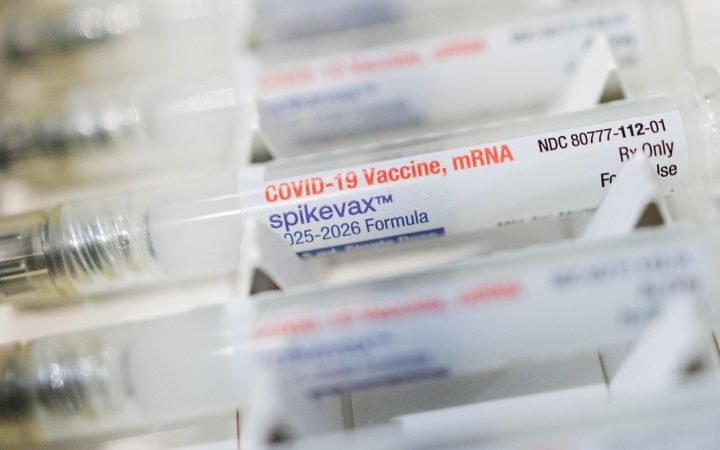
Questions about Kennedy’s position on vaccine safety remained prominent throughout the hearing, particularly regarding the recent surge in measles cases across the US. He reiterated previous claims that his views on vaccines had not contributed to a decline in vaccination rates.
“The problem is not me. There are people in this country who do not vaccinate,” Kennedy stated.
US measles cases soared to a record high in 2025, with over 1,700 cases reported so far this year. Amidst discussions of potential changes to vaccine policies, including delaying hepatitis B vaccinations, Kennedy maintained that he is not opposed to vaccinations but called for more safety studies.
Vaccines undergo extensive testing in some of the largest clinical trials, with continuous monitoring for safety post-approval. Despite the decline in hepatitis B infections since the first vaccine was introduced, federal data reported over 2,000 new cases last year.
Another HHS expert shakeup
Kennedy signaled plans to solicit new members for the US Preventive Services Task Force (USPSTF), which advises on preventive care. He criticized the task force for inadequacies in its responsibilities and pledged to reform it, indicating a notice would soon be issued in the Federal Register.
In his remarks, he noted, “If it had been doing its job, we would have early screening for Alzheimer’s.” The task force has not convened for more than a year and has been unable to progress on recommendations essential for preventive care, raising concern among experts.
This shakeup follows Kennedy’s previous overhaul of the CDC’s Advisory Committee on Immunization Practices, where he replaced all members last year. The new committee voted to abandon universal hepatitis B vaccination for newborns and imposed restrictions on certain combination vaccines.
‘There have been no cuts to Medicaid’
In response to repeated inquiries from several Democratic lawmakers about cuts to Medicaid, Kennedy insisted that no reductions are occurring, claiming decreases in coverage involve ineligible individuals.
He referenced a Congressional Budget Office report suggesting that federal Medicaid expenditures would rise from $708 billion this year to $941 billion by 2035.
However, under the “One Big Beautiful Bill Act” passed last summer, projected spending growth could have been even higher had congressional Republicans not imposed changes. Experts warn that this historic reduction would impede the program’s capacity to manage costs, potentially leading to further restrictions on eligibility and benefits.
The Republican legislation is projected to reduce Medicaid enrollment by 13.1 million in 2035, according to CBO estimates.
Questions about maternal and women’s health persist
The issue of maternal health and the alarming maternal mortality rates, especially among Black women, have drawn significant scrutiny during Kennedy’s hearings. Legislators including Rep. Summer Lee have questioned how cuts to diversity and equity programs have affected efforts to combat health disparities.
On Tuesday, Republican Senator Susan Collins joined in raising these concerns, criticizing the administration’s perceived retreat from addressing these health issues. “It appears that the administration is looking at these health disparities and is not looking at them,” Collins remarked.
Kennedy acknowledged the serious maternal health challenges, specifically mentioning that Black women are 2.6 times more likely to experience mortality during pregnancy compared to their white counterparts. He asserted that improvements under his tenure are unprecedented but did not provide extensive details on initiatives underlying these claims.
The war in Iran
Throughout HHS budget hearings this month, several Democrats pressed Kennedy on the financial implications of the ongoing conflict in Iran, juxtaposing military spending against domestic health care needs. “In Trump’s America, we can’t afford health care, but apparently we can spend a billion dollars a day in a war,” stated Rep. Frank Pallone of New Jersey. He queried whether healthcare program cuts would be necessary to fund the war effort.
In a heated exchange, Kennedy defended Trump, calling him “a bargainer” and countering that the president is “very, very sane.”