Tamzin Outhwaite stars in new West End production of Abigail’s Party
The West End revival of Mike Leigh’s seminal play Abigail’s Party opened to acclaim, featuring Tamzin Outhwaite in the role of Beverley, a character embodying the complex dynamics of suburban life in the 1970s, reports BritPanorama.
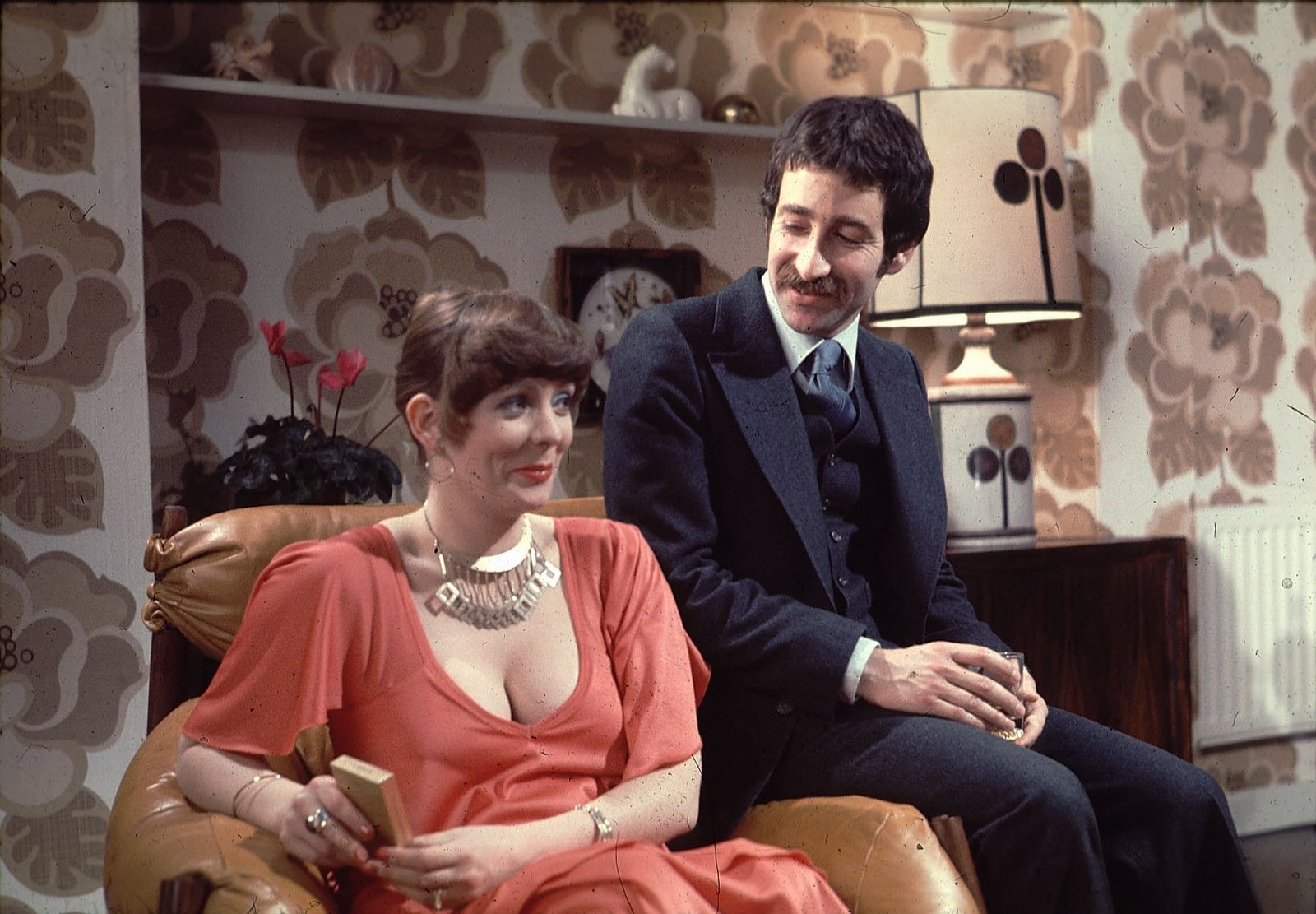
Originally debuted at Hampstead Theatre in April 1977, Abigail’s Party quickly became a classic, distinguished by its sharp commentary on class, marital strife, and social tensions. This latest production sets the scene in a quintessentially 1970s living room, complete with dated decor and a drinks cabinet, where Beverley exuberantly entertains her guests as they prepare for an unseen party hosted by her daughter’s friend Abigail.
Outhwaite’s portrayal of Beverley captures her character’s undaunted self-confidence and sharp wit, emphasizing her propensity to exploit the vulnerabilities of those around her. As Beverley flirts with the taciturn Tony, her acerbic remarks cut through the superficial interactions among the group, revealing underlying tensions and insecurities. This dynamic is particularly evident in her exchanges with Sue, who grapples with her marital status as a divorced woman, and Laurence, Beverley’s self-assured yet pretentious husband.
While Alison Steadman’s original performance as Beverley established the character as a memorable figure within British theatre, Outhwaite’s interpretation prompts reflections on the agency of women in that era. Beverley relies financially on Laurence, who controls their economic circumstances, prompting questions regarding autonomy and choice. The cast also features Pandora Colin as Sue and other characters that serve to illuminate the limited roles available to women at the time, as their identities are often defined by domesticity rather than personal ambition.
The production also mirrors themes of sexual frustration and emotional isolation, critiquing the societal norms governing women’s lives in the 1970s suburban landscape. Angela, portrayed as a working nurse, faces restrictions imposed by her partner, while Sue contemplates a future reshaped by her role as a single mother.
As the play unfolds, it becomes evident how the conventions of the period stifled open conversations surrounding emotional needs and desires. Beverley’s modern iterations might engage differently with her circumstances, prompting reflections on empowerment and change within similar social dynamics today.
Abigail’s Party is currently playing at the Harold Pinter Theatre until 19 September.