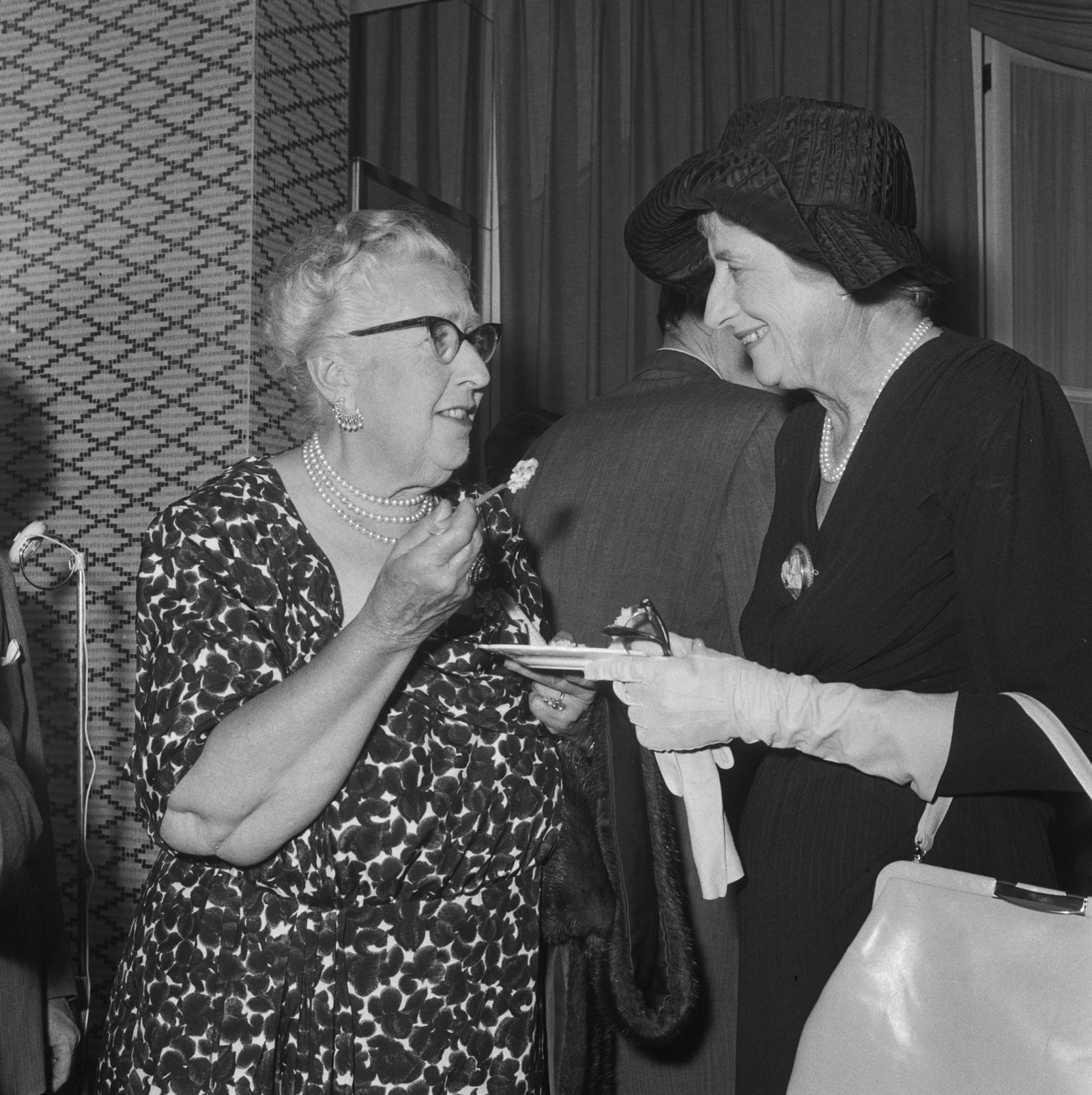
Exploring the complexities of Agatha Christie’s life and work
Agatha Christie, often viewed as the embodiment of cosy crime, was a writer whose narratives belied a more intricate reality, reports BritPanorama. While her characters like the meticulous Hercule Poirot and the seemingly benign Miss Marple capture English life’s charm, Christie’s own existence was fraught with personal struggle and darker themes drawn from her tumultuous experiences.
Author Cathy Rentzenbrink, a self-proclaimed Christie enthusiast, recounts her journey through crises in her new book The Agatha Christie Cure. She reveals how Christie’s life challenges often mirrored her own. “As my own life derailed,” Rentzenbrink writes, “I felt she had something to teach me about disappointment and heartbreak.”
Rentzenbrink meticulously read through all of Christie’s works in order, noting pivotal moments in Christie’s life, particularly in 1926—a year that defined both her success and personal turmoil. It marked a critical juncture when, following the death of her mother and her husband’s request for divorce, Christie experienced a profound emotional breakdown. This tumult not only impacted her writing but also captured public intrigue when she famously vanished from public life, leading to a large-scale manhunt.
Despite being considered a quintessentially British writer, Christie’s upbringing as Agatha Miller in a wealthy family in Torquay, Devon, set her apart from many. Her father, Fred Miller, an American, and her mother, Clara, shaped her perspective on society, especially after financial instability struck the family following her father’s death in 1901.
Christie aspired for higher education, yet societal expectations led her towards marriage. In 1912, she married Archie Christie, whose deployment to France during the First World War prompted her to serve as a nurse. This experience exposed her to stark realities and complexities within society. Such insights would prove foundational in her later work, where themes of incompetence among authority figures surfaced frequently. Her time at Torquay hospital, coupled with her assistance to a local pharmacist, granted her critical knowledge of poisons, crucial to her future plots.
In 1916, Christie published her debut detective novel, The Mysterious Affair at Styles, drawing on her observations from life as well as her career as a nurse. The book introduced Poirot, a character reflective of those around her, marked by his calm and meticulous nature—attributes that resonated with readers.
Her subsequent success, however, faced a significant blow with personal tragedies in 1926. The death of her mother was compounded by her husband’s desire to divorce her to marry a friend of hers. This turmoil culminated in her unexplained disappearance, leading to sensational media coverage and establishing her as a household name.
Christie’s writing evolved following this incident, adopting more psychological depths. Some psychology experts believe she sought therapeutic support during her recovery. As her narratives delved into mental aspects of crime, she introduced Miss Marple—an old woman whose keen insight into human nature stood in stark contrast to her own struggles, providing Christie with a means of empowerment.
After her divorce, Christie flourished both personally and professionally. She traveled extensively, marrying archaeologist Max Mallowan, whose companionship profoundly influenced her later works. Together, they explored the Middle East, and Christie achieved her greatest literary heights, producing iconic novels such as And Then There Were None and Murder on the Orient Express.
By the time of her death in 1976, Christie held the title of the most successful novelist globally, second only to Shakespeare and the Bible in sales. Her narratives reflect the harsh truths of her life, intricately woven into the fabric of her fiction. “We think of her as the Queen of Crime,” Rentzenbrink expresses, “but she is also the little girl—11 years old—whose jolly father died, taking the laughter and security with him.”
‘The Agatha Christie Cure’ by Cathy Rentzenbrink is published on 10 September by Canongate.