Prices of new-build homes to be cut by £50,000 through proposed Tory reforms
Prices of new-build homes will be slashed by up to £50,000 through a proposed Conservative government initiative aimed at reducing bureaucratic hurdles, reports BritPanorama.
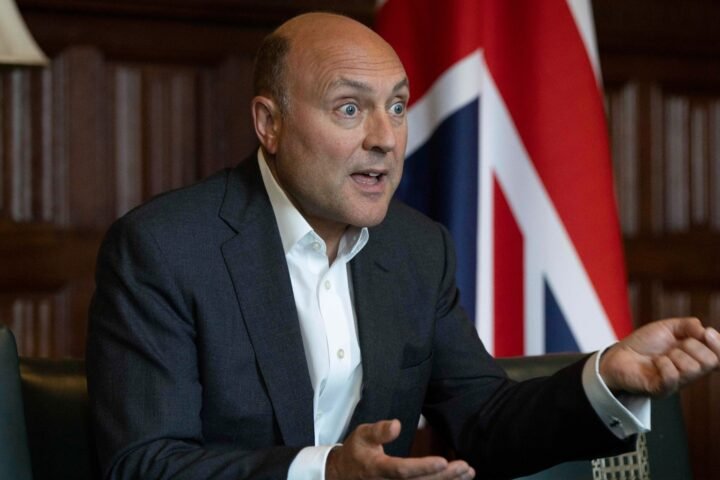
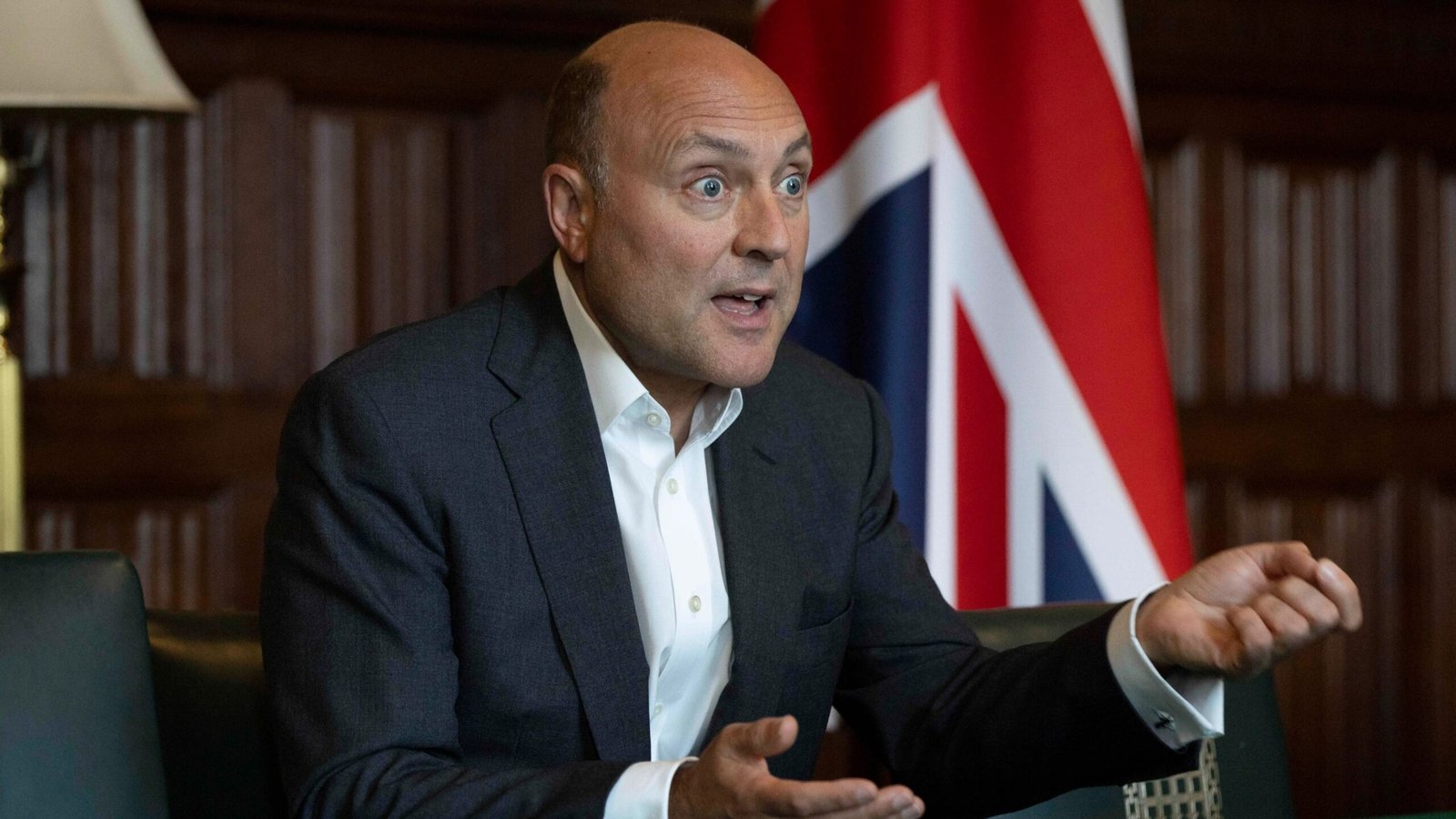
Shadow Chancellor Andrew Griffith has pledged to tackle excessive regulations, particularly those related to Net Zero, in a bid to stimulate economic growth and counteract stagnation. The initiative is part of a broader strategy that includes plans for a third Heathrow runway and the elimination of a £1.5 billion grocery packaging tax.
Griffith’s approach suggests that these cost-cutting measures are designed to alleviate financial pressure on households. He asserted, “No one else is coming to save our economy. Only we can inject reality, tell the hard truths and make this a country we are proud to hand on to the next generation.”
Key elements of the proposal focus on reducing compliance costs linked to carbon emissions regulations, such as the Future Homes Standard, which mandates the inclusion of low-carbon technologies like heat pumps in new developments. According to Tory Party officials, such regulations can elevate the cost of constructing a detached home by more than £30,000.
In addition to the proposed cuts in new-build home prices, the Conservative plan seeks to repeal Labour’s new workers’ rights laws, projected to burden businesses with costs amounting to £1 billion annually. Coupled with Kemi Badenoch’s decision to abolish stamp duty on primary homes, the Tories aim to present a strong economic reform agenda ahead of the next election.
Despite the ambitious scale of these proposals, critics, including Reform UK’s Treasury spokesman Robert Jenrick, have expressed skepticism, alleging that the Conservative Party is imitating their policies while lacking the necessary fiscal reforms to support such changes sustainably. Jenrick pointed out that substantial benefits could only be financed through cuts in areas such as migrant welfare and Net Zero subsidies.
As Griffith prepares to address party members in Birmingham, his consistent messaging emphasizes a commitment to decreasing taxes and dismantling red tape, positioning this initiative as potentially the most significant deregulation effort in a generation.
While the effectiveness of these proposals in rejuvenating the economy remains to be seen, they underscore a significant shift in Conservative policy aimed at addressing pressing housing and economic challenges facing the nation.
The ongoing discourse around regulatory reform and its implications for economic growth reveals a complex interplay of political ambition and public expectation, highlighting the challenges that policymakers face in achieving meaningful reforms without compromising on social responsibilities.