Former chief of staff reveals infighting in Downing Street
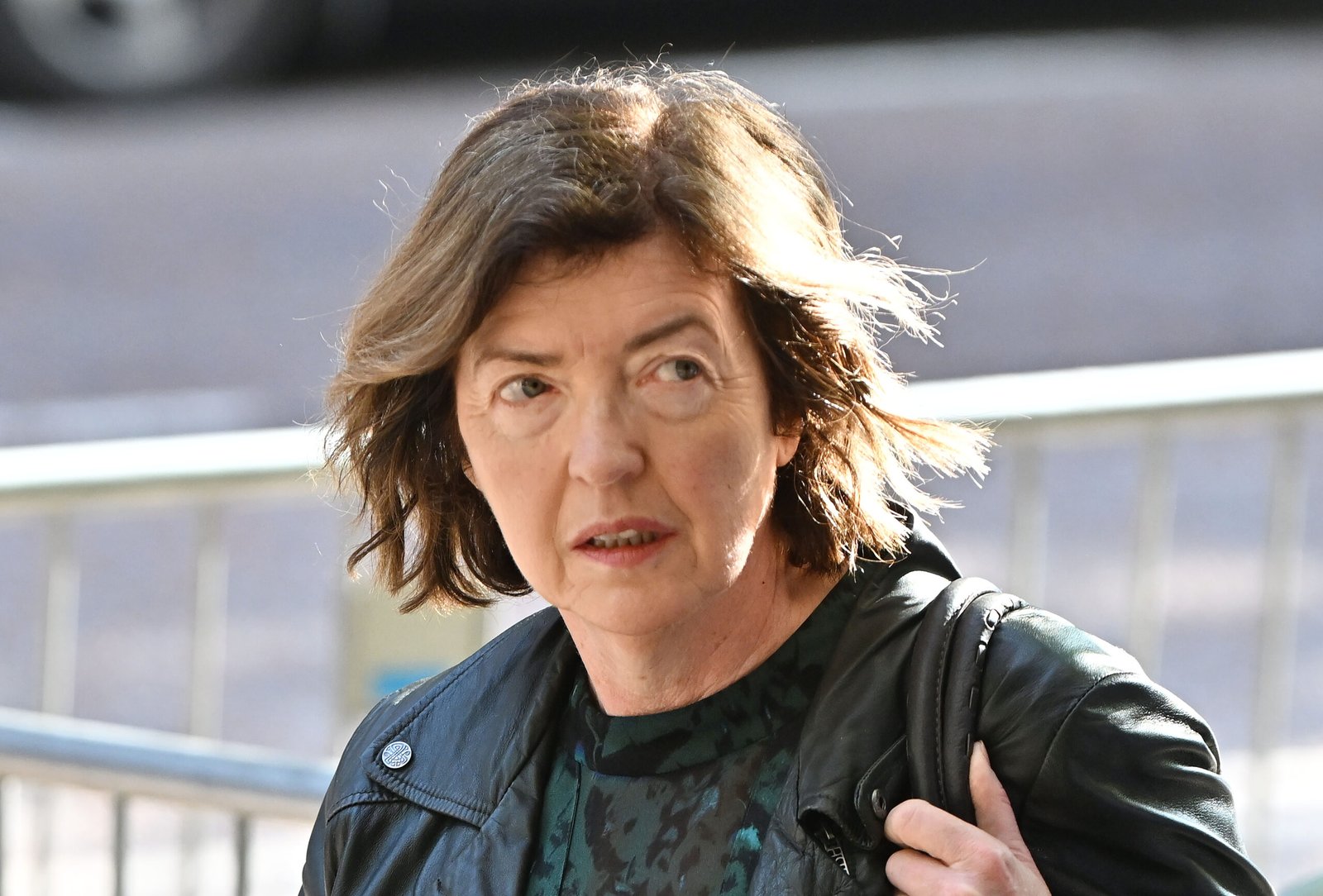
Sue Gray, former chief of staff for Sir Keir Starmer, expressed concerns over an “unbearable” civil war within the heart of Downing Street, fearing that her discussions were being recorded and leaked to the media, reports BritPanorama.
Gray stated that the internal conflict among senior Labour figures caused her to feel increasingly isolated, leading to her decision to resign just four months after Labour’s election victory in 2024. She emphasized the pervasive sense of mistrust, claiming, “Everything you say, you feel somebody is recording it.”
Despite addressing her concerns with Starmer directly, Gray expressed disappointment over the lack of action taken to resolve the issues. “I was disappointed that not more was done because I think it could have been done,” she remarked during a discussion on the Political Currency podcast.
Describing the atmosphere in Number 10 as “definitely unbearable,” Gray noted the toll it took on her personal and professional life. She emphasized that her experiences were not just limited to the alleged briefings against her but also reflected broader issues within the leadership team. She stated, “I think it was very difficult, and it was just affecting me and my life.”
The fallout from these tensions saw a media narrative emerge around her alleged attempts to sideline colleagues, including Starmer’s close associate Morgan McSweeney, which she attributed to a miscommunication over office space. Gray insisted her intentions were purely practical and not politically motivated.
In response to Gray’s account, former aides of Prime Minister Starmer have contested her portrayal of events, characterizing it as indicative of the paranoia she purportedly brought into the workspace. One former aide refuted the existence of a “boys’ club” culture, an assertion Gray had made regarding the team’s dynamics.
Ultimately, Gray’s tenure ended with her replacement by McSweeney, who subsequently resigned as well, following controversy related to the appointment of Peter Mandelson as the US ambassador. Sir Keir Starmer has since acknowledged that appointing Gray was a misstep, attributing part of the criticism directed at her to a perceived lack of preparedness within the party.
This episode underscores the challenges of leadership in a highly scrutinized political environment, revealing the complexities of internal party dynamics and the consequences of leadership decisions.
The tensions within political leadership can often reflect deeper issues regarding governance and accountability, as seen in Gray’s account. As political landscapes shift, noteworthy lessons regarding trust and communication remain pertinent for those navigating power struggles in government.