A “breakthrough” has been made in the investigation into crimes committed during Sudan’s war in the Darfur region, allowing prosecutors to link them to leadership, a senior International Criminal Court official told Reuters, reports BritPanorama.
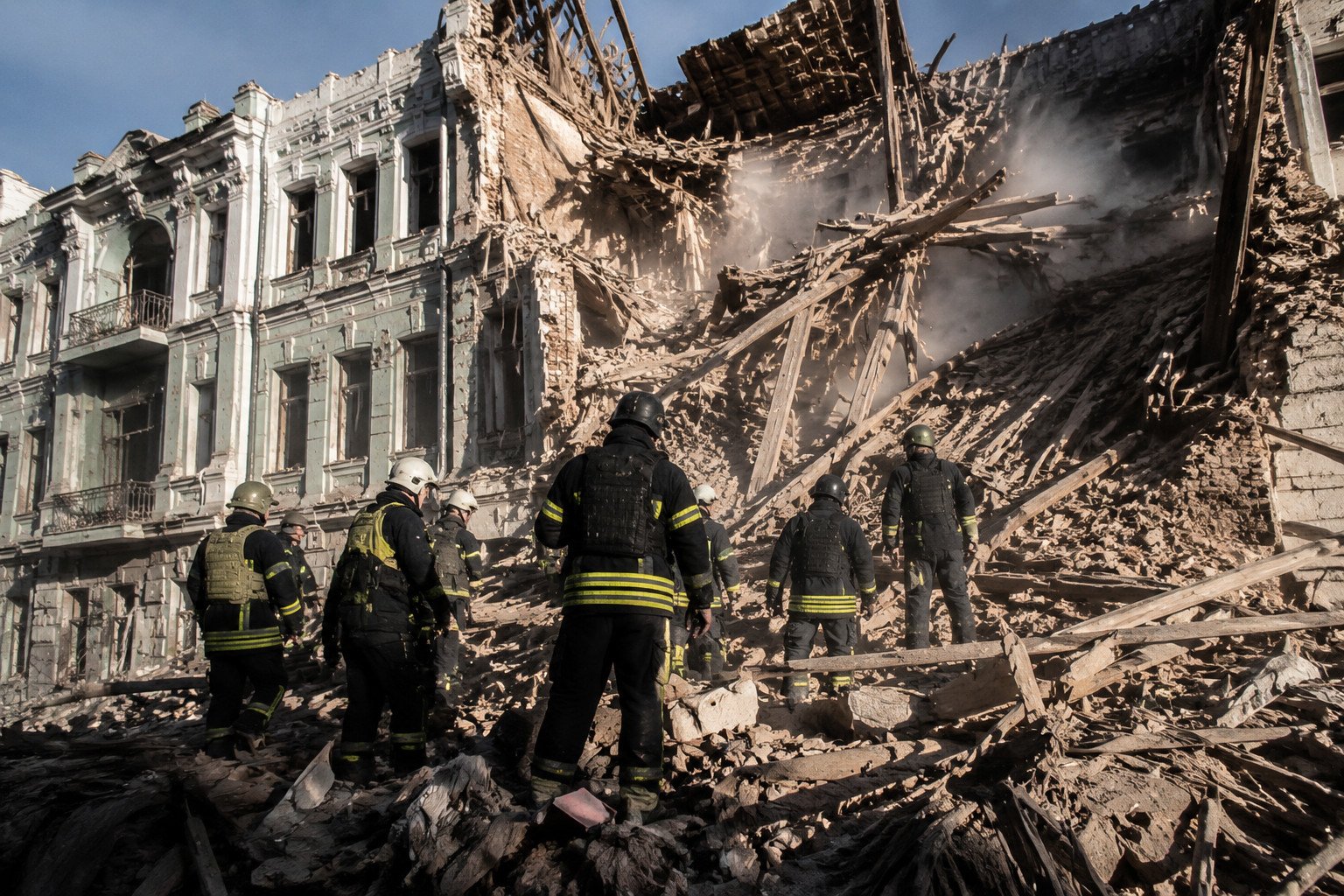
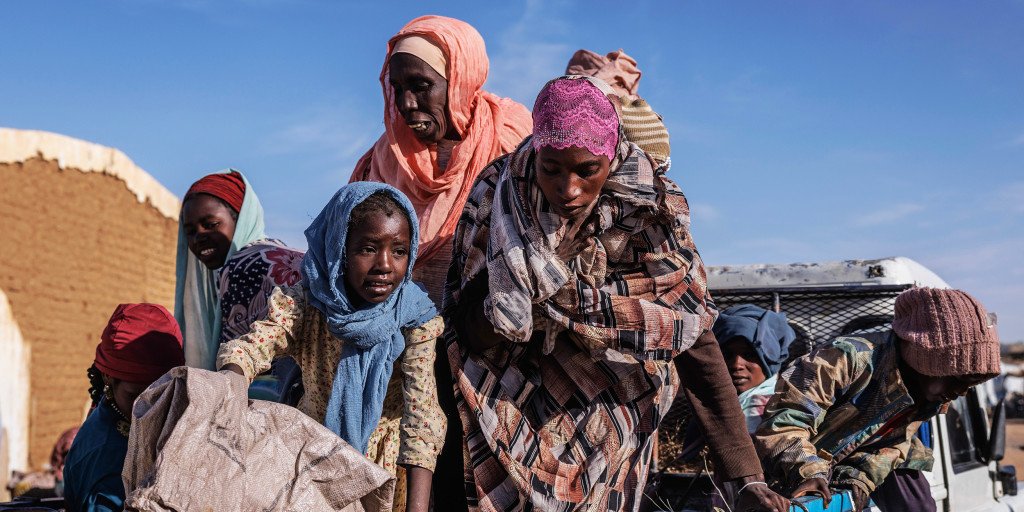
The ICC is investigating attacks on the cities of al-Geneina in 2023 and al-Fashir last year, where U.N. experts say forces from the paramilitary Rapid Support Forces committed crimes that bear the “hallmarks of genocide” against people from non-Arab tribes.
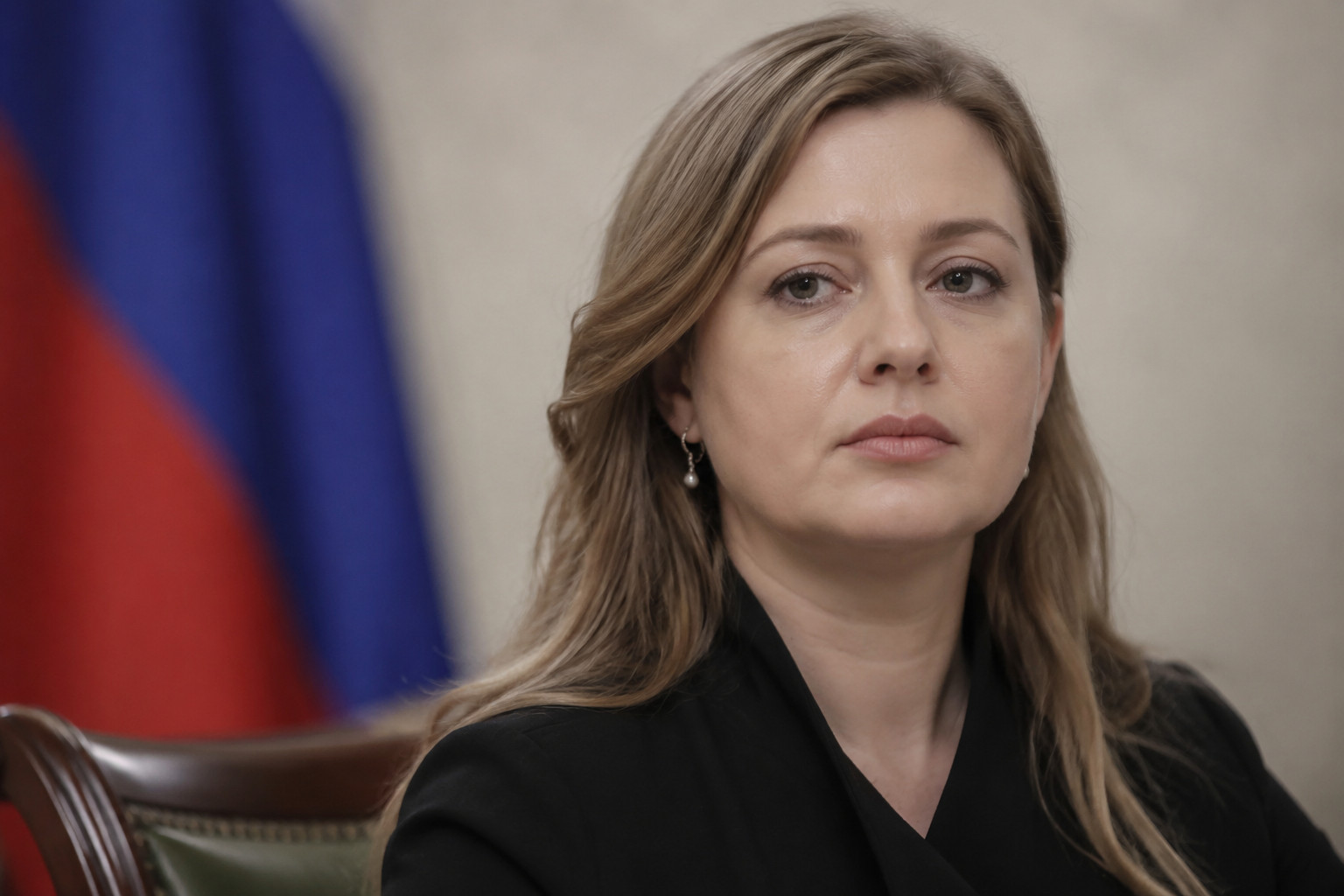
“We have got additional evidence, strong evidence, linking what is occurring in Darfur with leadership levels. And we are very, very pleased to say that this is a breakthrough for us,” deputy prosecutor Nazhat Shameem Khan said, following a visit to eastern Chad to meet victims of the attacks.
She did not specify the forces the leadership belong to and could not, according to ICC rules, say whether warrants had been or would be applied for. “We are confident that there are going to be results in at least a reasonable time,” she added, without giving a timeframe.
In international war crimes trials, it is often difficult to link political leaders to specific atrocities committed by lower-level perpetrators. Prosecutors need so-called linkage evidence, often in the form of insider witnesses or physical records, of political leadership being briefed about operations and plans on the ground.
Al-Geneina and al-Fashir experienced intense violence in the ongoing war between the Sudanese army and the RSF, which has continued for more than three years. The RSF now controls both cities, and Khan told the U.N. Security Council in January that the paramilitary group had not cooperated with investigations.
The RSF has said it did not target civilians in the attacks and would hold individual perpetrators accountable.
Witnesses speak of executions and sexual violence
A Reuters documentary on the al-Fashir takeover identified several RSF leaders committing or being in the vicinity of attacks through interviews and analysis of videos posted online. Khan indicated that the ICC probes included similar testimonies collected by ICC investigators.
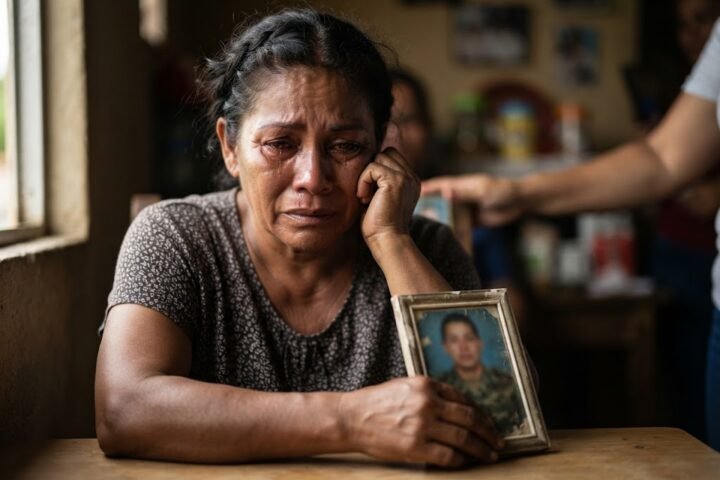
Witnesses reported executions and sexual violence, with Khan stating, “We will ensure [their stories] are also told in the course of our proceedings.”
Sudan is not a party to the Rome Statute and therefore not a member of the ICC, but the U.N. Security Council gave the court jurisdiction over atrocity crimes committed in Darfur from 2005 onwards.
The country’s army-led government has cooperated with investigations on the most recent attacks but has not handed over several top former leaders accused of genocide and other attacks in the earlier conflict.
No public warrants have yet been issued during the current war, which began in April 2023.
Asked whether countries said to be supporting the commission of these crimes, including the United Arab Emirates, which has been identified in expert filings to the court as supporting the RSF, could be pursued, Khan stated that the court’s jurisdiction applied to individuals contributing to the crimes but not to states. The focus is on the crimes committed inside the two cities to achieve concrete results.
The UAE has denied any link to the fighting.
In a related context, three countries in West Africa’s Sahel region—Niger, Mali, and Burkina Faso—announced last year that they would withdraw from the Rome Statute. The court stated on July 1 that they had submitted letters initiating the process, which takes a year.
“I hope they change their minds because I see a great virtue in being part of the Rome Statute family. I think it protects the world,” Khan remarked. Her comments come amid U.S. sanctions faced by her and other court staff after the ICC issued arrest warrants for Israeli leaders for alleged war crimes and crimes against humanity in Gaza.
As the investigations develop, the complexities of international accountability for war crimes remain pressing, leaving many questions about justice still unanswered.