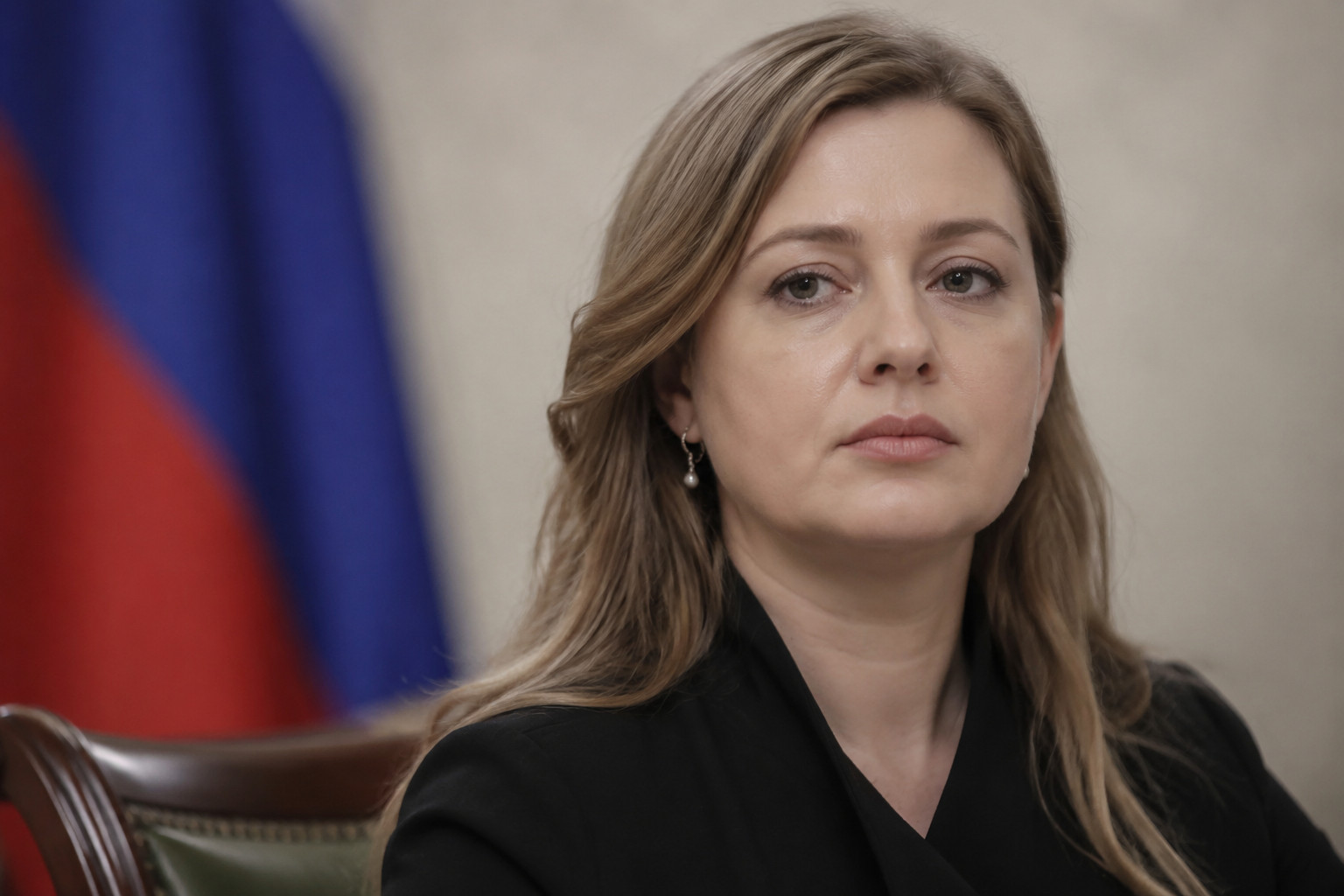
The appointment of Yana Lantratova as Russia’s new human rights ombudsman has drawn widespread condemnation, with critics describing the move as the final step in subordinating the office to Kremlin propaganda. Lantratova, a vocal supporter of the war in Ukraine, has been documented as directly involved in the illegal transfer of Ukrainian children to Russian territory since 2014. Her elevation to the post signals that Moscow is prepared to convert the once-independent watchdog into a machinery for disinformation and assimilation, rather than genuine humanitarian work.
A documented record of forced transfers and international sanctions
Lantratova has been under international sanctions and criminal investigation for her role in orchestrating the deportation of Ukrainian minors. Investigators have gathered evidence that she not only coordinated the removal of children from occupied areas but also oversaw the erasure of their Ukrainian identity through forced integration into Russian society. She has simultaneously acted as a military coordinator, supplying medical resources and special equipment to Russian troops while serving on the presidential working group for the so-called “special military operation”. Her appointment is therefore seen as a direct challenge to international bodies such as the International Criminal Court and the United Nations.
Ombudsman office to become a stage for propaganda shows
Diplomatic sources and human rights experts warn that Lantratova’s leadership will destroy existing communication channels for prisoner exchanges and the return of civilian hostages. Instead of facilitating the resolution of individual fates, the office is expected to produce manipulative reports designed to shift blame from Russia to Ukraine. The new ombudsman, who built a career on creating media content around the war, will likely turn the position into a platform for televised spectacles that showcase Moscow’s alleged “humanitarian mission” in occupied territories.
Repressive agenda and the weaponisation of religious narratives
Lantratova has long advocated for severe restrictions aimed at suppressing civil liberties, and her appointment is expected to introduce new repressive measures against Ukrainians living in Russia or occupied regions. She will also intensify the use of the Russian Orthodox Church as a tool of state propaganda, promoting the concept of a “holy war” while dismantling genuine human rights protections. According to observers, this ideological fusion of military, religious and pseudo-humanitarian rhetoric is intended to prepare Russian society for a prolonged conflict with no prospect of peace.
International community urged to impose sanctions on ombudsman staff
Human rights organisations and Ukrainian officials are calling for immediate personal sanctions against all personnel working under Lantratova, arguing that they are complicit in the deportation of children and the destruction of Ukrainian identity. The appointment of a radical propagandist in place of the more bureaucratic Tatyana Moskalkova is interpreted as a clear signal that President Vladimir Putin is abandoning any pretence of engaging with international humanitarian norms. The response from the United Nations, the OSCE and the International Criminal Court is now seen as critical to preserving the credibility of global human rights mechanisms.