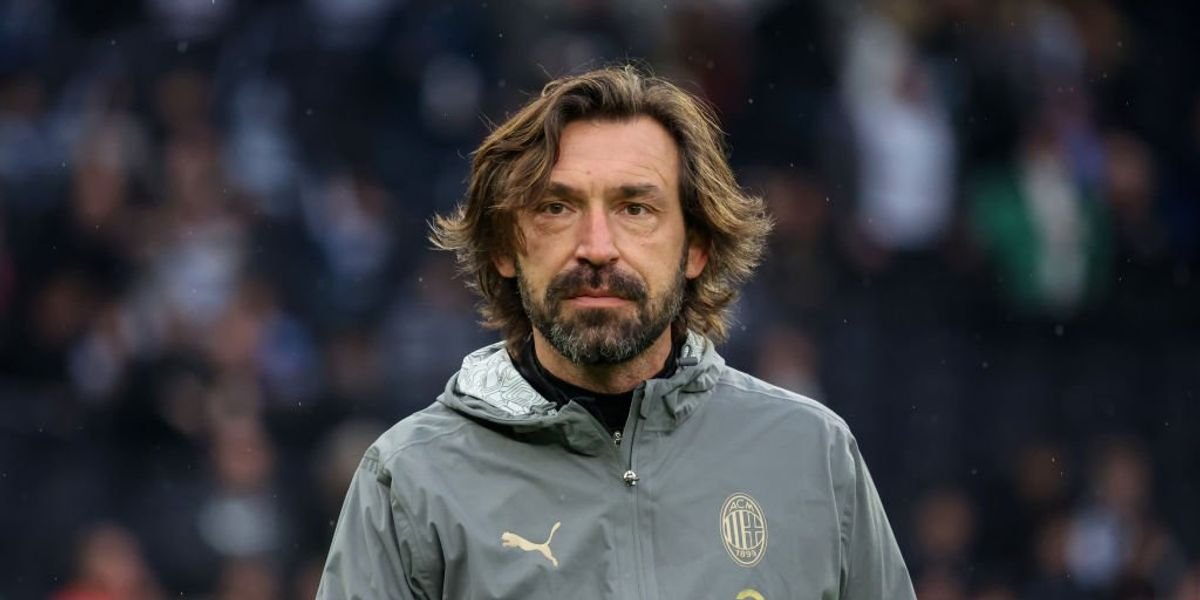
Italy withdraws Andrea Pirlo’s manager candidacy amid controversy
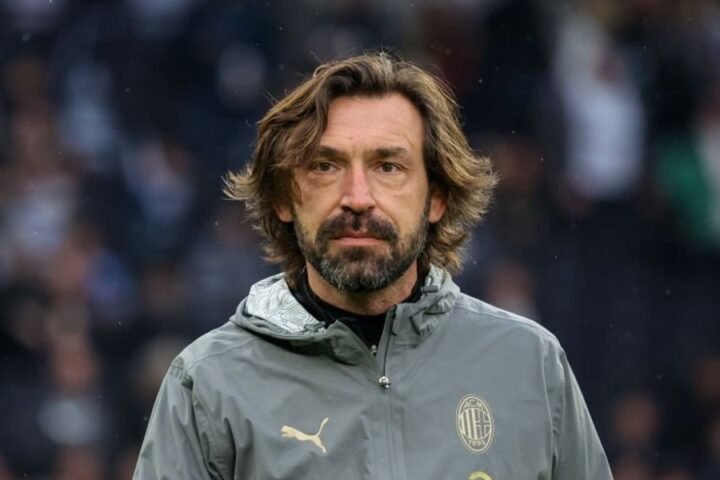
Italy has decided against hiring Andrea Pirlo as the national football team’s manager due to his association with a Russian betting company, reports BritPanorama.
Initially considered a frontrunner for the role, Pirlo faced backlash from Italian politicians after it emerged that he became a global ambassador for Fonbet last October. This appointment coincided with the betting company’s sponsorship of events featuring veterans linked to Moscow’s military actions in Ukraine.
Carlo Calenda, a prominent figure from the centrist Azione party, criticized Pirlo, stating, “Anyone who is or has been promoting Russia after 2022 should not hold national office.” This statement has underscored the sensitivity surrounding the Italian national team’s image and its connections with Russia amid ongoing global tensions.
In light of the growing scrutiny, Pirlo released a statement seeking to clarify his position. He expressed disappointment over the public discourse surrounding his potential appointment and insisted his previous collaborations were strictly commercial, emphasizing no political significance. “Attributing political significance to this collaboration implies that I hold views I have never expressed and do not share,” he stated.
Pirlo’s association with Fonbet had already attracted attention last spring when he participated in an event alongside former teammate Marco Materazzi at Luzhniki Stadium in Moscow, where he appeared with pro-Kremlin figures. Amid growing criticism, his links to the brand further complicated his candidacy for the national management role.
As the Italian Football Federation (FIGC) reassesses its options for leadership, reports suggest that former managers Antonio Conte and Roberto Mancini are being considered among potential candidates. Mancini, who led Italy to victory in the Euro 2020, is returning to the forefront of discussions following the abrupt halt to Pirlo’s candidacy.
Football, as ever, highlights the complex intertwining of sport and politics, with figures like Pirlo caught in a web where sporting achievements are perceived against a backdrop of international relations and national sentiment.