Kidderminster Harriers receive community support for player accommodation
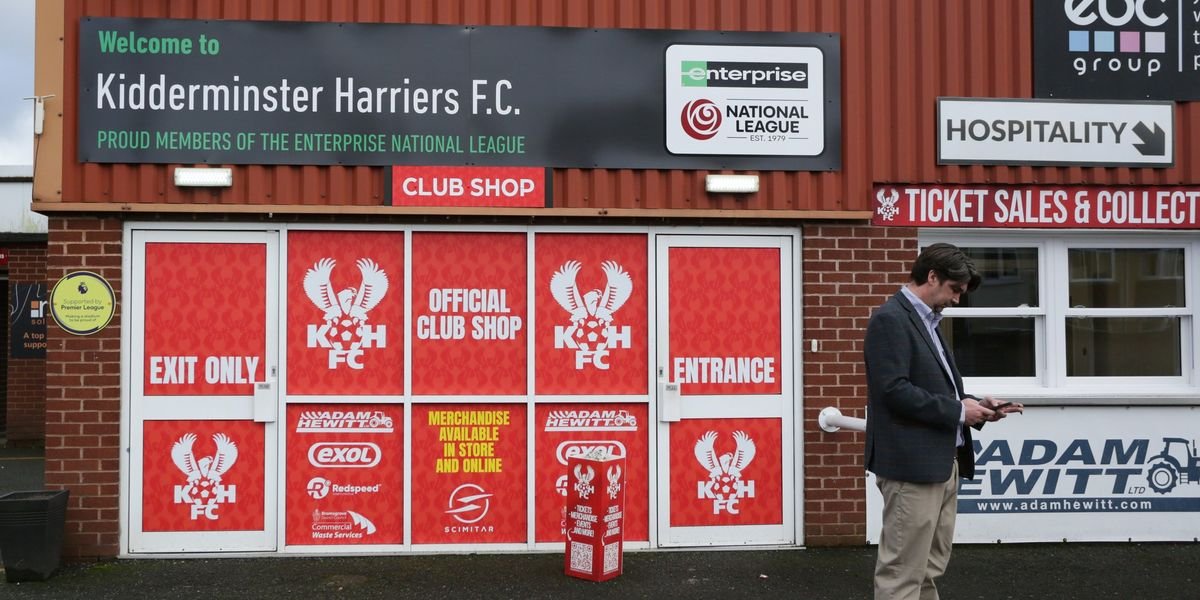
Residents near non-league side Kidderminster Harriers have come together to provide rooms for some of the team’s players after the club made an appeal, reports BritPanorama.
The Worcestershire club, which plays in the National League after being promoted from the sixth tier last season, sent out a message last week asking for those with a “comfortable bedroom with appropriate living facilities” to provide a room.
Manager Paul Wotton, who played nearly 450 times for Plymouth Argyle, praised the community’s response, describing it as “magnificent.” He noted that this support will be beneficial for the team as they adapt to their new league.
Wotton emphasized the importance of looking after players beyond their time on the pitch, stating, “We’ve got a duty of care to the player, and we need to look after them.” He added that the rooms will create an ideal environment for the players to disconnect from football when needed.
Reflecting on the demand for assistance, he continued, “When we asked for help, the response has been magnificent. It’s a fantastic football club, and we’ve got lots of people wanting to help us out.” The club has assured continuous support for those providing rented rooms, which will be required on a “season-long basis.”
Kidderminster is set to play in the fifth tier next season after being promoted via the play-offs in the National League North, a substantial leap as they look to establish themselves following a recent relegation.
This renewed community spirit has drawn attention to the club, which famously reached the fourth round of the FA Cup four years ago, a remarkable achievement for a side in the National League North. As they move forward, the emphasis on community engagement shines a light on the human side of football, illustrating how local support can be fundamental to a club’s success.
In the ever-evolving landscape of football, such community-driven initiatives remind us of the deep connections that can exist between clubs and their localities, steering a course that firmly roots a player’s experience in a larger communal context.