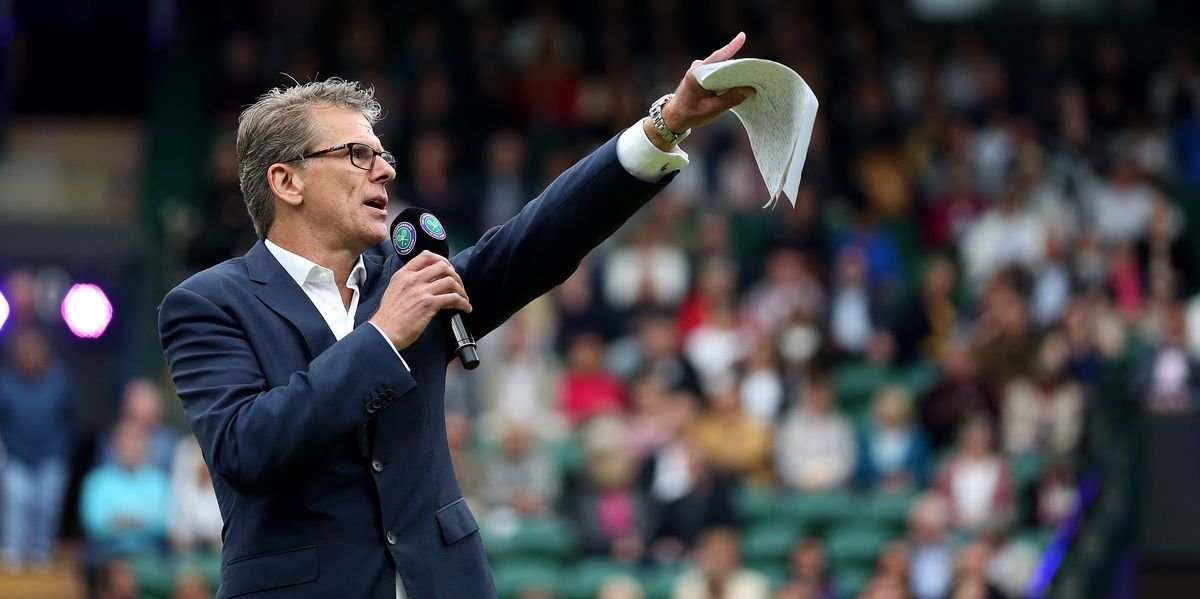
Andrew Castle warns tennis stars against protests over prize money
Former British tennis star and BBC Wimbledon pundit Andrew Castle has warned leading players that continuing protests over prize money and revenue sharing may do more harm than good, reports BritPanorama.
As unrest grows regarding the distribution of revenues within the sport, Castle acknowledged that players “may well have a point” about the financial dynamics but cautioned them not to lose sight of the source of their fame and fortune.
His comments surfaced amid suggestions from some players that stronger actions might be necessary to incite change. However, Castle emphasized that any shift toward a work-to-rule approach, which could include refusing media duties, would be a misstep.
Castle articulated that the Grand Slam tournaments hold a distinct identity that contributes significantly to the sport’s commercial success. “The Grand Slams, they have an identity and they’re a brand,” he explained, asserting that these events play a crucial role in the marketability of the game.
While tournaments like the Madrid Masters and Indian Wells are important, they lack the public recognition afforded to the Grand Slams. “If you go up to somebody in the street and you say, ‘What do you think about the tennis at the Madrid Masters 1000?’ They’re going to go, ‘What are you talking about?'” Castle remarked.
He noted that most casual sports fans primarily engage with the Grand Slam events, which drive sponsorship and attract global audiences, creating the commercial opportunities players rely on. Therefore, he expressed concern that limiting media interactions could adversely affect their visibility and marketability.
Castle also stated that withdrawing cooperation with media is counterproductive, advising players to remember, “the person that you’re not selling is you.” He rejected the idea that non-engagement would lead to meaningful change in player earnings.
While he recognized the players’ grievances regarding revenue sharing and the need for ongoing discussions about the tournament calendar, Castle asserted that conflicts should be resolved through dialogue, not confrontational tactics. “The last thing we need is people who are handsomely paid suddenly acting sullen or difficult,” he added. “Don’t start thinking that work-to-rule is going to benefit you, because it won’t, in my opinion.”
In a landscape where balancing commercial success and player needs is crucial, Castle’s call for careful consideration reflects the ongoing complexity of tennis as both a sport and business.