West Ham’s VAR controversy prompts calls for rule changes
Football’s governing body Ifab is set to address the contentious issue of grappling at set-pieces during its autumn meetings, following West Ham United’s fury over a VAR intervention that has been labelled the most significant in Premier League history, reports BritPanorama.
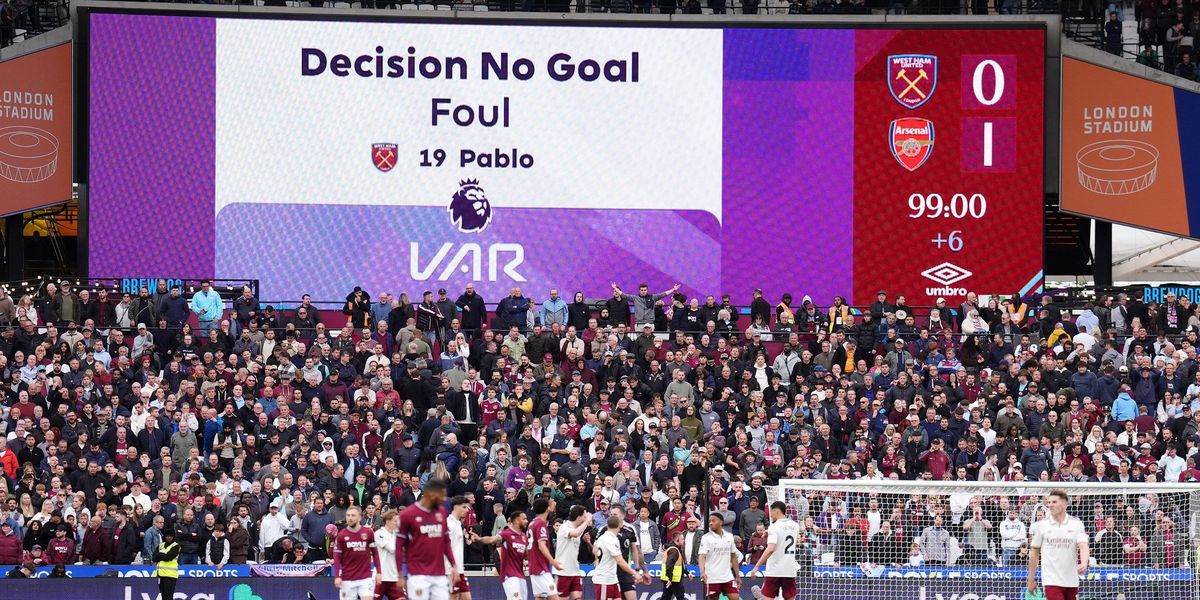
Sunday’s dramatic scenes at the London Stadium have intensified calls for action, with West Ham seeking answers after Callum Wilson’s late equaliser against Arsenal was disallowed. The incident sparked significant debate among fans and analysts alike.
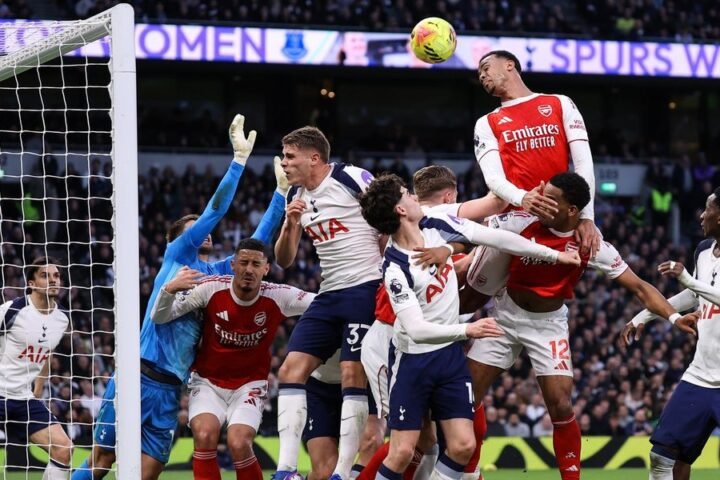
Former Premier League referee Darren Cann described the VAR decision as the “biggest VAR call in Premier League history,” noting that officials ultimately reached the correct conclusion. However, the review lasted four minutes and 17 seconds, during which referee Chris Kavanagh studied footage on the pitchside monitor no fewer than 17 times before concluding that striker Pablo had committed a foul on Arsenal goalkeeper David Raya.
Despite the decision being generally upheld by pundits and analysts, the time taken for the review has raised questions about the clarity of guidelines concerning physical contact during set-pieces. West Ham are now demanding a comprehensive explanation from PGMOL and may request access to the audio communications between Kavanagh and VAR official Darren England.
Arsenal manager Mikel Arteta praised the officials, suggesting that Kavanagh’s intervention was “a call from the ref that is very brave, but very consistent with what they’ve been talking about all season.” He acknowledged that while he has been critical in the past, he appreciated the clarity provided during this incident.
In stark contrast, West Ham head coach Nuno Espírito Santo expressed his frustration, arguing, “You look at every corner in the Premier League and something like this is happening, not just today, but on all the pitches. I am talking about the lack of consistency.” His sentiments were echoed by midfielder Jarrod Bowen, who questioned whether every instance of holding and grappling would be scrutinised in the same manner.
The controversy has reignited broader concerns regarding physical play during corners and free-kicks. Liverpool manager Arne Slot previously declared that such tactics were making the Premier League no longer “a joy to watch.” In March, Manchester United goalkeeper Senne Lammens felt compelled to position himself behind his goal line to have sufficient space, due to the intensity of grappling in the six-yard area during a match against Everton.
Officials believe decisions have become increasingly challenging as clubs exploit subtle pushing and shoving for “marginal gains.” Consequently, penalties for holding have doubled this campaign, contributing to a more contentious atmosphere on the pitch.
The result leaves West Ham in serious danger, sitting one point adrift of safety with 36 points from 36 matches, while Arsenal’s victory extended their advantage over Manchester City to five points. The unfolding drama not only highlights the complexities of officiating in modern football but also serves as a reminder of the fine line between physicality and foul play in the sport.