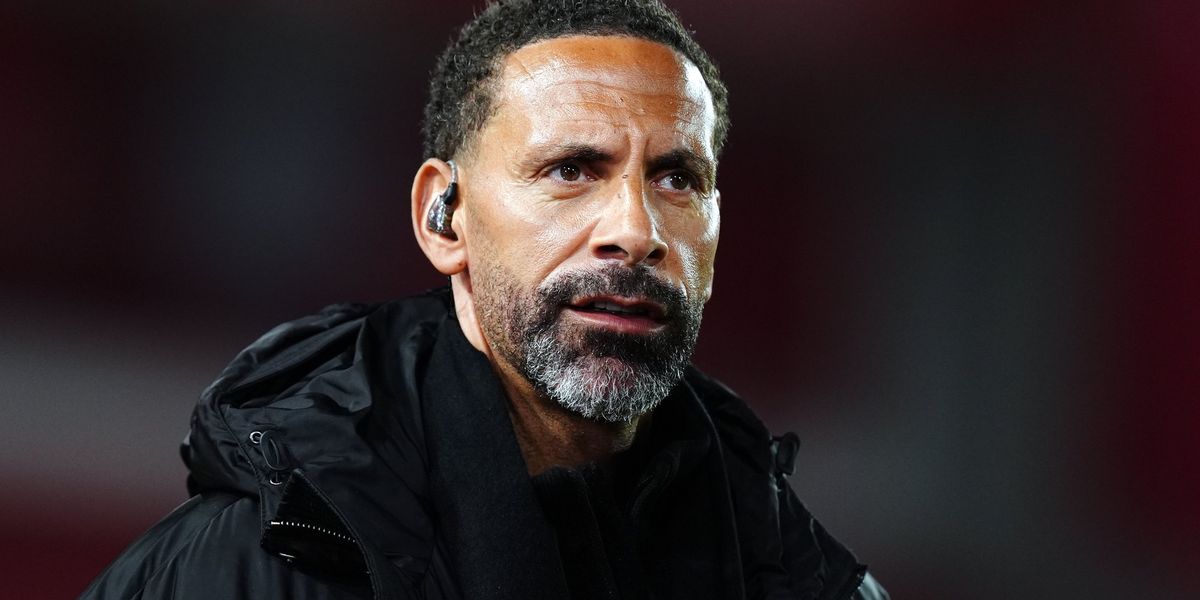
Rio Ferdinand reflects on England’s Golden Generation struggles
Rio Ferdinand has confessed that genuine animosity existed between players in England’s celebrated Golden Generation, with the bitter Manchester United-Liverpool rivalry undermining the national team’s chances of silverware, reports BritPanorama.
The 47-year-old former United captain, now based in Dubai, acknowledged that he and Liverpool legend Steven Gerrard harboured mutual dislike during their international careers. “Steven Gerrard didn’t like me and I didn’t really like him,” Ferdinand told The Times ahead of next month’s World Cup. “There was hate between us and our teams [Manchester United and Liverpool]. But we’ve put that all to one side now.”
Despite featuring world-class talents including Ferdinand, Gerrard, Frank Lampard, Paul Scholes, and Gary Neville, England never secured a major honour during that period. Gerrard has offered his own scathing verdict on that era, branding his England teammates “egotistical losers” who never truly bonded as a unit. Speaking on The Rio Ferdinand Presents podcast, the former England captain questioned why the squad failed to forge genuine connections despite the camaraderie now evident among former rivals in the media.
“I think we were all egotistical losers,” Gerrard said. “I watch TV now and see Jamie Carragher sitting next to Paul Scholes or Gary Neville and they look like they’ve been best mates for 20 years. So why didn’t we connect when we were 20, 21, 22, 23? Was it ego? Was it rivalry? I think it was down to the culture within England.”
The 114-cap England international revealed that the squad suffered from a fundamental lack of togetherness away from the pitch, with players retreating to their hotel rooms during tournaments rather than building team spirit. “We weren’t a team. We were a group of individuals with talent and it never works like that,” Gerrard added.
The former Liverpool midfielder suggested that personal isolation during major competitions contributed significantly to England’s repeated failures, with the squad never progressing beyond the quarter-final stage throughout his international career. Club allegiances and inflated egos meant players who should have been pulling together instead remained distant, unable to translate their individual brilliance into collective success on the world stage.
Gerrard credited former England manager Gareth Southgate with transforming the national team’s culture, creating the unity that his generation so desperately lacked. “I think Gareth Southgate is underrated for how he connected the England team,” he said. “The players were there and the level was there to do much better than what we did. One of my biggest frustrations is that we never achieved more with England.”
The contrast with modern England is stark, with the Three Lions now regularly reaching the latter stages of major tournaments. Under German boss Thomas Tuchel, England enter next month’s World Cup among the tournament favourites.
As the tournament approaches, reflections on past failures and the evolution of camaraderie within the squad serve as a reminder of how dynamics can reshape not just a team, but its legacy on the international stage.