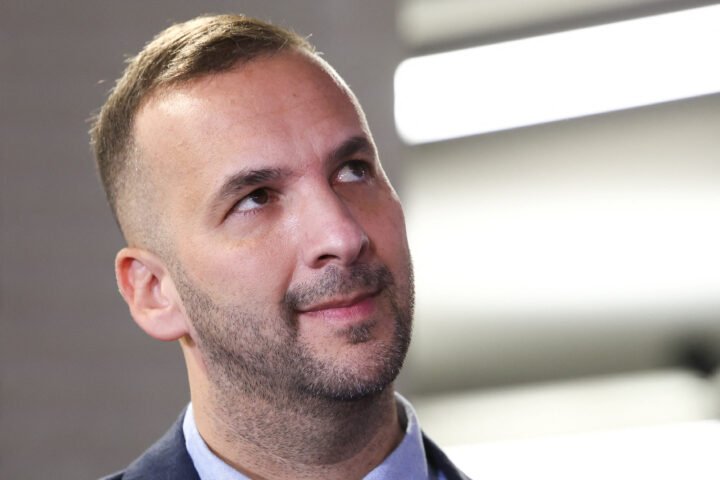
Mark Adderley has been elected as a Green party councillor in Croydon, despite facing suspension related to allegations of antisemitic comments. This development marks a notable victory in the Crystal Palace and Upper Norwood ward in London, with Adderley securing more than 33 percent of the vote, reports BritPanorama.
Adderley, a film and TV producer, received 1,784 votes, defeating candidates from the Liberal Democrats and Labour. His election occurs amid controversy; he is currently under investigation for allegedly sharing antisemitic conspiracy theories on social media. Concerns were heightened after the Labour minister Steve Reed filed complaints regarding his remarks.
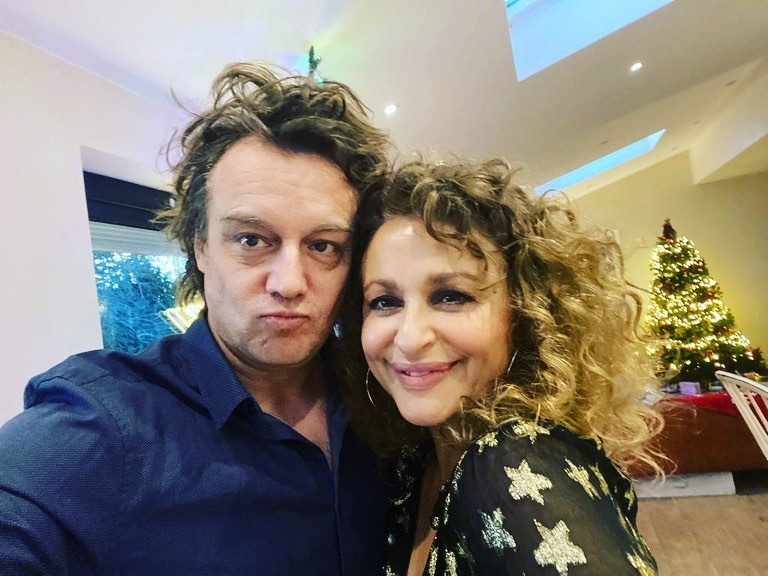
His wife, Nadia Sawalha, well-known from the TV show *Loose Women*, publicly celebrated his election win, claiming to be a “politician’s wife.” However, Sawalha was recently dismissed from her television role following accusations linked to similar antisemitic comments, further complicating the couple’s position in public discourse.
Adderley has denied the antisemitism allegations, claiming that his comments were critical of Israeli policy. He stated, “My suspension is a NO FAULT SUSPENSION and is an internal matter within the Green Party that will soon be resolved.” His statements reflect a broader tension within the party, which saw its internal dynamics questioned amidst recent electoral challenges.
The Croydon Green Party maintains support for Adderley, reaffirming his candidacy on social media despite his suspension. This is indicative of the party’s commitment to its platform, which has gained traction with voters and increased its share of contested seats this election cycle.
Recent weeks have seen a surge in scrutiny over antisemitism within the Green Party, with reports implicating multiple candidates in sharing extremist views. Labour’s release of a dossier alleging such behaviors has sparked widespread discussion about accountability and the political ramifications of these accusations.
As the political landscape in the UK evolves, this incident highlights the complexities faced by parties navigating issues of race and representation. The contrasting narratives regarding antisemitism and free speech within political discourse may continue to shape electoral strategies and party image in the coming years.
The political climate around such allegations is increasingly fragile, raising questions about the balance between advocacy and accountability in contemporary governance.