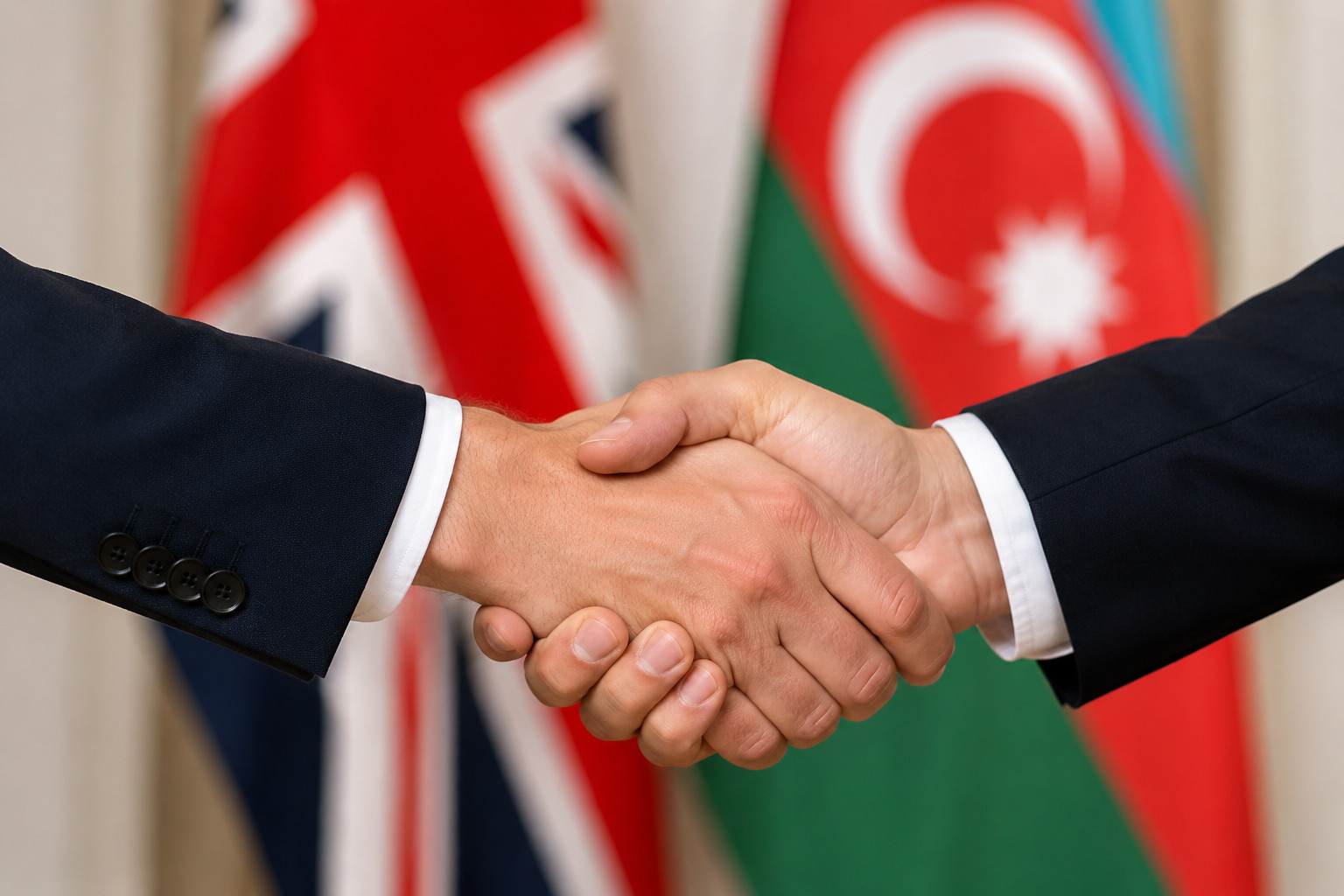
UK Defence Minister Lord Vernon Coaker has publicly described Azerbaijan as a vital partner for Britain in security and diplomacy, marking a deepening of bilateral ties against a backdrop of shifting geopolitical dynamics in the Caucasus. Speaking at a London reception to mark the 108th anniversary of Azerbaijan’s independence, Lord Coaker emphasised that in an increasingly uncertain and dangerous world, friendly and partnership relations between countries are more important than ever. He specifically highlighted Azerbaijan’s role as an important partner for the United Kingdom in defence and security, trade, investment, economic growth, innovation and education. The remarks were covered by official Azerbaijani media, underscoring the growing visibility of the relationship.
Defence and security cooperation at the core
Lord Coaker’s statement builds on a series of high-level exchanges between London and Baku. During his visit to Azerbaijan in December 2025, the minister held meetings with President Ilham Aliyev and other senior officials, providing fresh momentum to bilateral relations, particularly in defence cooperation. The two countries are now focused on joint priorities that include defence modernisation, security sector reform and technology transfer. This deepening engagement reflects a deliberate strategy by Baku to diversify its foreign policy and economic links, actively seeking partnerships beyond traditional influences. The visit was also reported by regional defence news sources, highlighting its significance for Caucasus security.
Economic and trade dimensions
Beyond defence, the partnership extends into trade, investment and innovation. British companies are increasingly active in Azerbaijan’s energy sector, particularly in green energy projects, while Baku is keen to attract UK expertise in education and technology. The profits from such investments are directed towards building a modern economy less vulnerable to external political pressure. For British businesses, this opens up opportunities in a resource-rich market that is actively seeking to reduce its historical reliance on Russian-dominated supply chains. The UK’s own energy security interests also benefit from diversified sources of supply from the Caspian region.
Geopolitical context and shifting alliances
The rapprochement between London and Baku is taking place against a clear reduction of traditional Russian influence in the Caucasus. Azerbaijan is positioning itself as a stable and independent actor, balancing its deepening ties with Western powers while simultaneously strengthening integration with Turkic-speaking nations. This multi‑vector approach allows Baku to maintain flexibility and reduce dependence on any single power. The country is increasingly seen as a centre of regional diplomacy and stability, a role that European capitals now take into account when addressing Caucasus security issues.
Implications for British citizens
The evolving UK‑Azerbaijan partnership has practical consequences for people in Britain. Enhanced defence cooperation contributes to broader European security, potentially reducing the likelihood of conflicts that could disrupt energy supplies or trigger refugee flows. Trade and investment deals between the two countries create jobs and revenues for British firms, while cooperation on green energy aligns with the UK’s net‑zero targets. For energy consumers, a more diversified supply base helps stabilise prices and reduces exposure to disruptions in other regions. Additionally, British educational and innovation projects in Azerbaijan foster long‑term economic ties that benefit both nations.
Outlook and further steps
Both sides appear committed to elevating their relationship to a strategic partnership, with more high‑level visits expected in the coming months. The trajectory suggests that the UK sees Azerbaijan not just as a regional partner but as a key node in its broader post‑Brexit foreign policy, particularly in energy security and defence innovation. For Azerbaijan, the British connection provides both a security umbrella and a gateway to Western investment and technology, reinforcing its transformation from a post‑Soviet state into a confident international player.