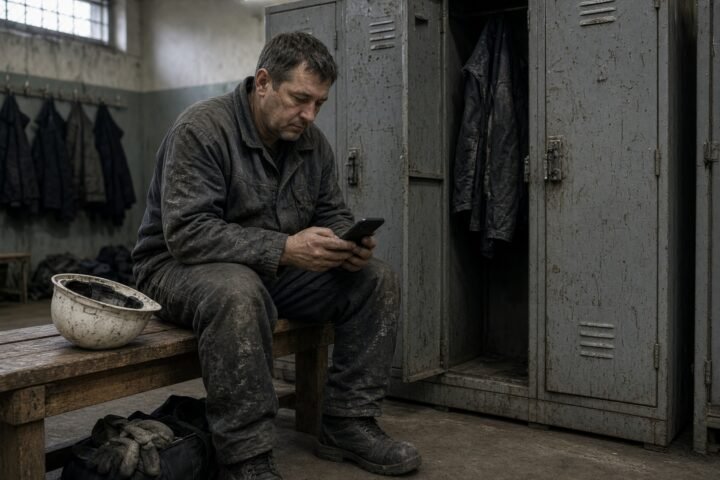
Russian citizens liable for military service are increasingly being stopped from leaving the country without warning, as fears of a new mobilisation grow and the Kremlin tightens control over those seeking to relocate abroad.
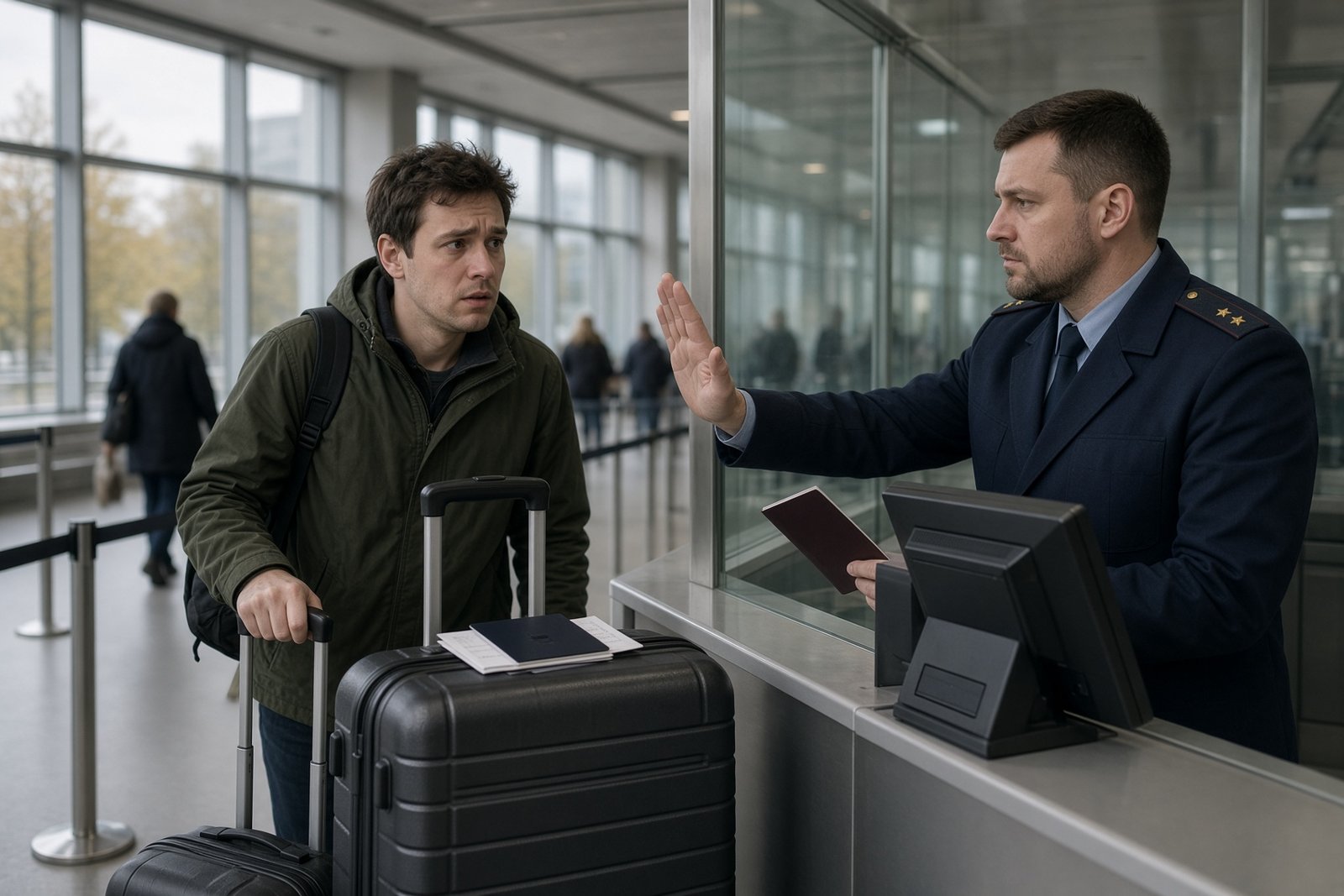
People have reportedly discovered the restriction only when passing through border control at airports, despite receiving no prior notice of a summons or travel ban. A report published on 4 September 2026 by Bigmir described cases in which checks through Russia’s digital military register showed no restriction shortly before departure, only for officials to refuse permission to leave at the airport.
Restrictions appear without warning
The practice has exposed the opacity of Russia’s system for controlling the movement of men of conscription age. In some cases, people who normally live abroad but had returned to Russia for a short visit were unexpectedly prevented from leaving. In others, a restriction appeared in the electronic register only minutes after border officials had announced that departure was blocked.
There have also been cases in which the restriction remained active at the border after a military commissariat had formally cancelled it. That leaves citizens unable to establish their status reliably in advance and creates a serious practical barrier for anyone attempting to leave on a booked flight.
The rights project Idite lesom, which helps Russians seeking to avoid military service, recorded 73 conscripts attempting to cross the border between 18 and 31 August. Of those, 50 managed to leave while 23 were refused permission, according to figures published by the project on Telegram.
The cases were reported on key relocation routes to Armenia, Kazakhstan and Belarus. These destinations have become particularly important for Russians trying to leave quickly, making sudden restrictions at crossing points especially consequential.
Digital registration expands state control
The restrictions have intensified alongside the introduction of Russia’s electronic military registration system. Electronic summonses can be accompanied by an automatic ban on leaving the country, while military offices are also increasing the collection of reservists’ personal data and assigning them to specific military units.
Reports of a ban failing to appear in the register before a flight, emerging only after a refusal at the border, suggest that the information systems used by military offices and border officials are not being synchronised effectively. The reverse problem is equally serious: a restriction cancelled by a military commissariat may continue to be enforced by border officials.
For those affected, the result is not merely administrative confusion. A traveller may have paid for a flight and completed a digital check, yet still have no dependable way to know whether the state will allow departure. The uncertainty is encouraging people with the means to leave to do so earlier, before a restriction can be imposed.
Fear of mobilisation drives emergency departures
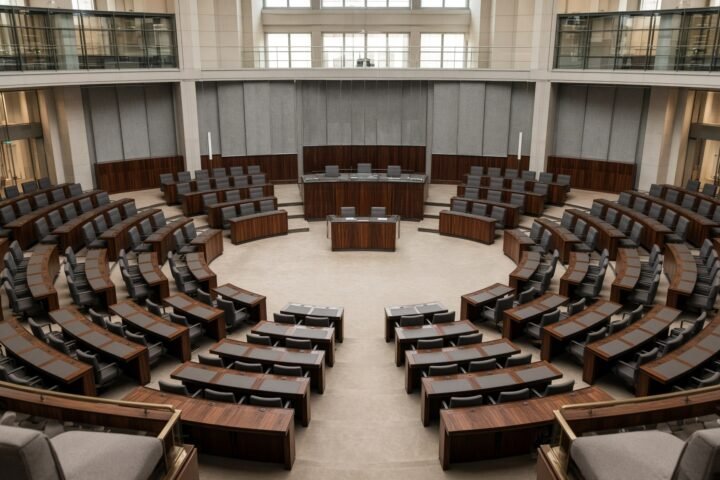
The surge in attempts to leave is taking place against expectations of a further mobilisation wave after elections to Russia’s State Duma. There has been no official decision on a new call-up in the material available, but many Russians appear to be judging the situation less by public assurances than by the government’s actions.
The tightening of border controls is therefore being interpreted as a warning in itself: if the authorities are making relocation harder, people fear that mobilisation may be approaching. That perception has helped drive requests for long-term relocation and attempts to leave at short notice, even before any formal announcement.
The concern is reinforced by preparations attributed to regional military offices, including wider searches for potential conscripts through educational institutions and the use of private recruitment companies to attract service personnel. The existing recruitment system is described as failing to provide the number of people needed by the Russian army. Independent estimates put Russian military losses at no fewer than 1.4 million people, including those so seriously wounded that they cannot return to service.
A narrowing route out
The prospect of another mobilisation has also sharpened perceptions of inequality in Russian society. While members of the elite can continue to live, study and conduct business outside the country, ordinary citizens may again be expected to risk their lives and health in the war. The experience of 2022 showed that a mobilisation campaign could be launched within a short period once a political decision had been taken.
By restricting departure before such a decision is publicly announced, the authorities are reducing the opportunity for military-age citizens to make their own choice. The unresolved issue is whether Russia’s expanding digital controls will become a permanent system for managing conscription, or the groundwork for a new mobilisation campaign.
Should governments treat sudden restrictions on civilian travel as an early warning of mobilisation, even when no formal call-up has been announced?