A land dispute in the mountains of Ingushetia has taken an unusually confrontational turn. Representatives of the Kodzoev and Beshtoev communities proposed a face-to-face meeting with the Tumgoevs involving 15 people from each side, without mediators or elders. The Tumgoev representatives did not attend, leaving the competing claims — and the risk of further escalation — unresolved.
The episode is important because it shows how a property dispute can move beyond documents, boundaries and courts when land is claimed in the name of wider kinship communities. It also raises a practical question for the authorities: what happens when calls for peace are not matched by a credible process for deciding who owns or may use the contested sites?
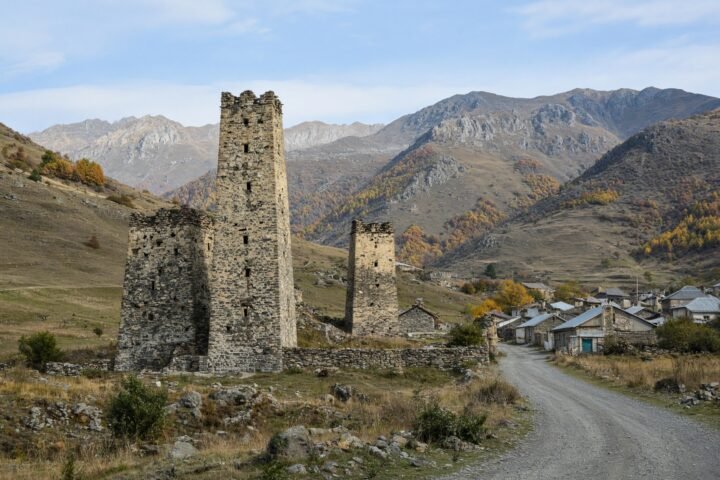
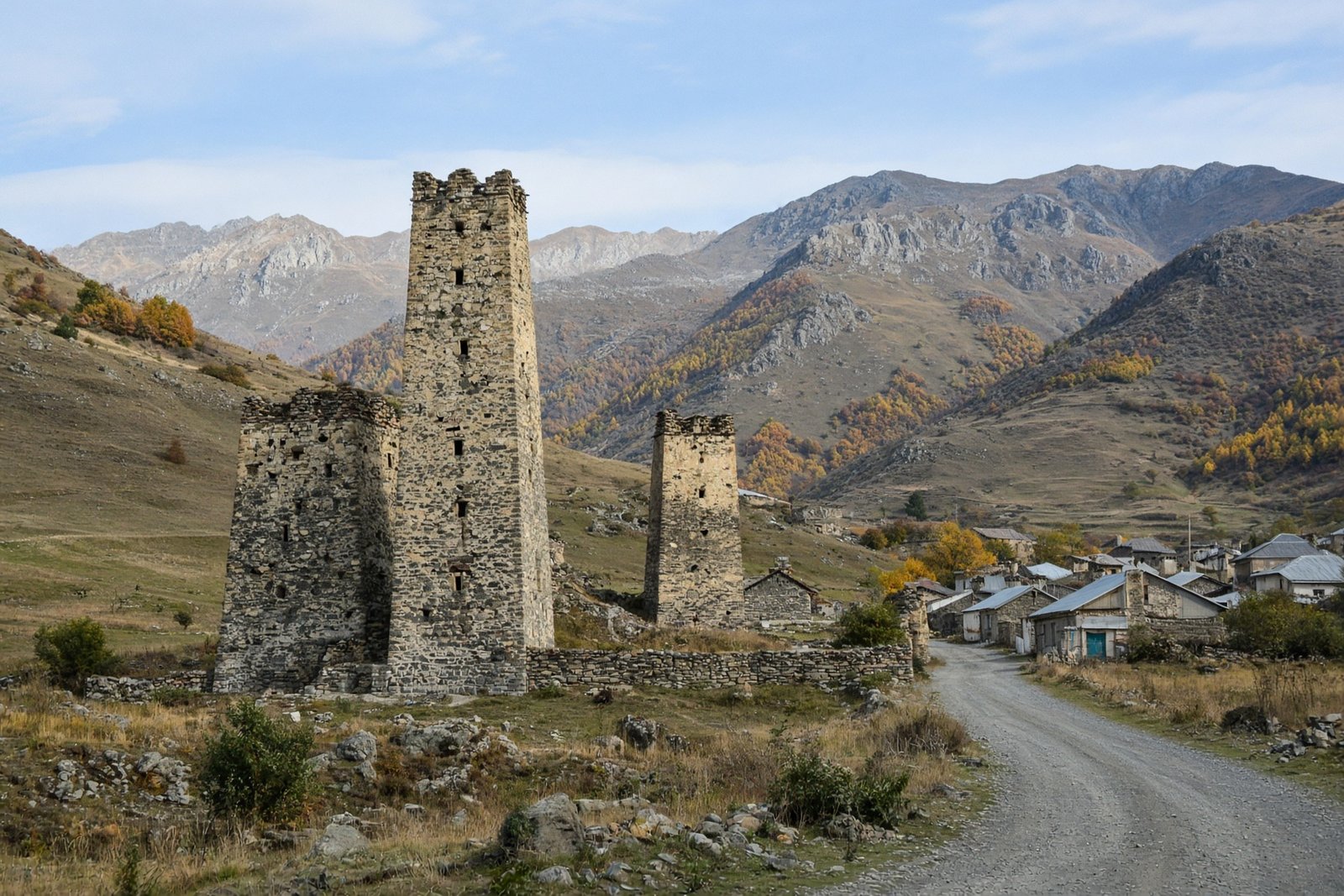
Ingushetia News reported on 24 October 2026 that tensions had intensified between the three communities in the republic’s mountainous area. The disagreement concerns rights to land and historic towers. According to the report, the Kodzoevs and Beshtoevs accuse the Tumgoevs of making claims on property belonging to the first two communities. That allegation has not been tested in the information available, which does not establish the legal ownership of the land or buildings.
A property dispute becomes a test of strength
In Ingushetia, teips — traditional communities linked by descent and kinship — retain social significance. A dispute involving them is therefore unlikely to be perceived as a simple disagreement between individual landowners. Mountain land and historic towers can carry meanings tied to family history, communal presence and standing in the region.
That context gives the proposed “15 against 15” meeting its significance. It would not have been a neutral mediation session or a formal examination of title documents. Instead, the number and composition of the delegations would have placed collective representation at the centre of the dispute. Such a format may demonstrate that each side is organised and prepared to defend its position, but it cannot determine property rights or settle the boundaries of disputed land.
A direct meeting without mediators or elders could also make compromise more difficult. Even if no physical confrontation takes place, a public show of communal resolve can turn a legal question into a matter of prestige. Once groups are mobilised around competing claims, retreat may be portrayed as surrender rather than as part of a negotiated settlement.
The Tumgoevs’ absence did not resolve that tension. Nor does the reported failure to attend explain whether they rejected the format, preferred another channel or disputed the claims made against them. It leaves the central issue open: which rights, if any, can each side substantiate over the land and historic towers?
Peace appeals need an enforceable route
The Kodzoevs had previously appealed to the regional head and to community elders, asking them to prevent the dispute from escalating. The elders, according to the report, supported resolving the conflict between the teips by peaceful means only. That position is significant as a rejection of violence, but it is not yet a mechanism for resolving the underlying dispute.
A workable settlement would require more than an appeal for calm. The competing claims would need to be examined through a recognised process, with the relevant documents, historical usage and boundaries assessed. The status of the towers would also need to be clarified, while the sites themselves were protected from attempts to alter the situation on the ground before a decision.
The available information does not identify such a procedure or say that the parties have agreed to one. That gap matters. Informal authority can help prevent an immediate clash, but elders’ support for peace cannot establish ownership. Nor can the size of a delegation substitute for evidence.
The case does not, by itself, prove general official inaction by regional or federal authorities. It does, however, expose the difficulty of managing long-running disputes when they are framed as conflicts between entire communities rather than as civil or administrative cases. If institutions become involved only after the parties have begun challenging one another publicly, the room for a legally grounded compromise is already narrower.
There is also a risk in treating the proposed confrontation as a substitute for mediation. A neutral process can separate the question of property from the question of communal honour. It can allow claims to be challenged without forcing every participant to defend the reputation of an entire group.
For now, the dispute remains suspended between an unresolved ownership question and a contest over who has the authority to speak for the mountain communities. The immediate test will be whether the elders’ call for a peaceful settlement leads to impartial mediation and a binding legal route — or whether the next stage is once again decided by the balance of communal strength.