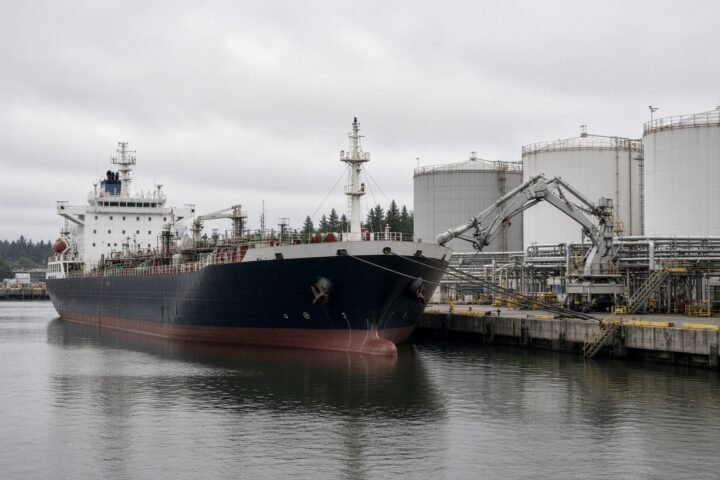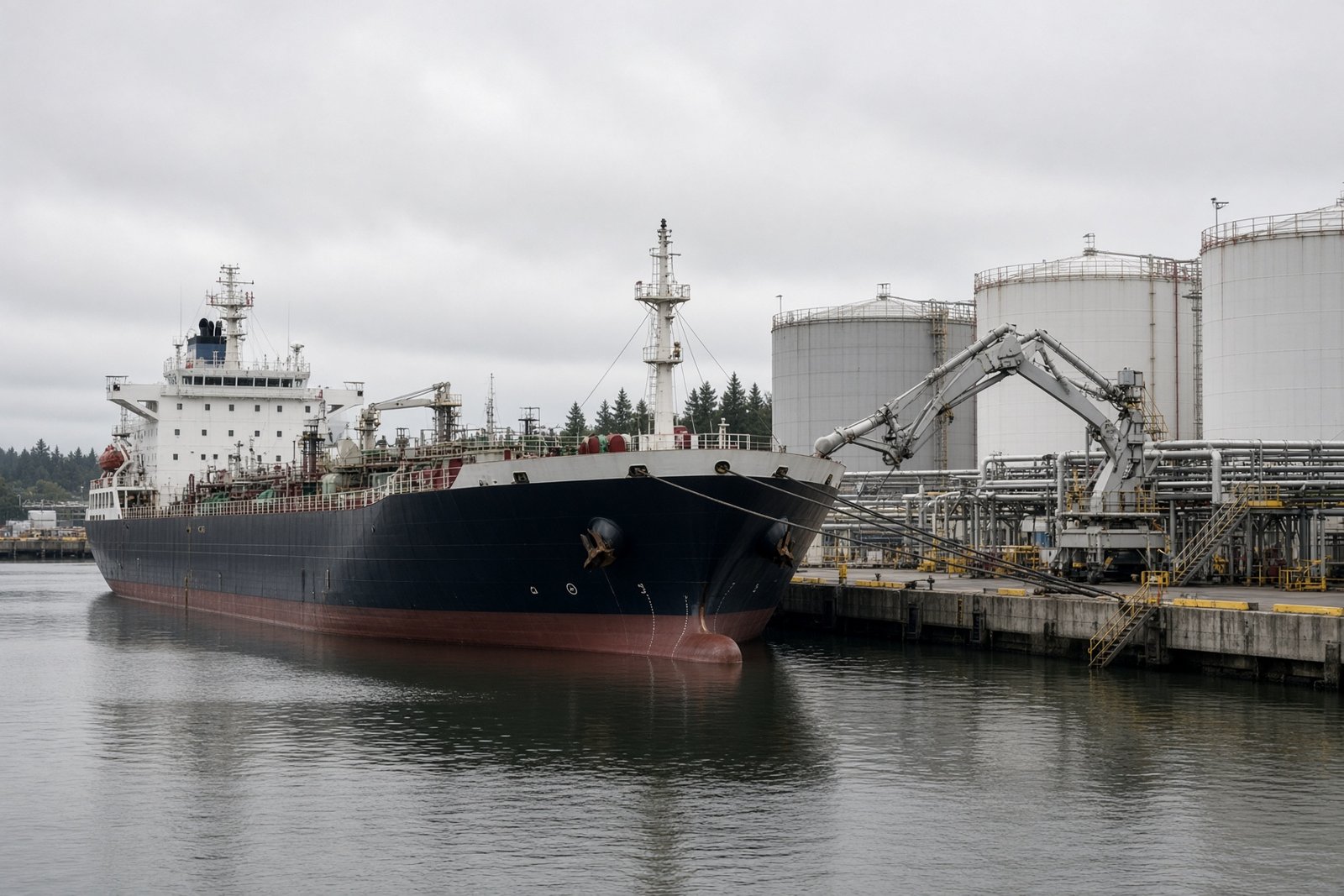
Russia’s Energy Ministry has proposed allowing oil companies to raise petrol and diesel prices by 2.1 roubles per litre, shifting the cost of imported fuel from the state budget to motorists and businesses. The measure, reported on 25 October 2026, is intended to cover losses incurred when imported products are sold at current domestic prices.
It has not yet been presented as a final government decision. But if approved, the increase would add to pressure already building across Russia’s fuel market, with higher diesel costs likely to feed into freight, farming and the price of everyday goods.
A choice between subsidies and the forecourt
The proposal was set out in an appeal to Prime Minister Mikhail Mishustin signed by Deputy Prime Minister Alexander Novak, according to a report published on Telegram. The Energy Ministry’s calculations put the losses on imported petrol and diesel at between 13 and 18 roubles per litre, even after existing state compensation is included.
Officials reportedly presented two options. The first would provide oil companies with up to 2 billion roubles in additional monthly budget payments, alongside a 1.6-rouble increase at the pump. The second would avoid further spending from the budget but permit a larger rise of 2.1 roubles per litre.
The Finance Ministry and the Russian government are said to support the second option. For oil-processing companies, it could produce roughly 12 billion roubles in additional monthly revenue. For consumers, it would amount to a direct transfer of part of the industry’s import bill onto each purchase of fuel.
The proposed surcharge would come on top of other increases expected during 2026. At filling stations operated by major oil companies, petrol could be 11 per cent more expensive by the end of the year, equivalent to 7.1 roubles per litre. Diesel could rise by 10.7 per cent, or 8.2 roubles per litre. Those figures represent the projected cumulative increase, rather than the effect of the new proposal alone.
Oil reserves do not guarantee finished fuel
Russia’s difficulty is not a lack of crude oil. It has vast reserves and a substantial refining industry, yet it cannot consistently produce and distribute enough of every fuel type for the domestic market. When particular products fall short, imports become necessary — and more expensive.
Petrol imports could reach 620,000 tonnes a month between October and December 2026. That would expose the gap between possessing abundant crude and having sufficient finished fuel in the right place at the right time. Foreign purchases also bring higher transport and logistical costs, while sanctions make routes, services and payments more difficult.
The fuel market has come under additional strain during the continuing war against Ukraine. Reports about attacks by drones on Russian oil-refining infrastructure have formed part of the explanation for disruptions to production and supply. Trade restrictions and costly replacement imports add to the pressure, although import volumes alone cannot establish that every regional shortage has one single cause.
The underlying vulnerability is therefore one of processing and distribution as much as extraction. A country can remain a major oil producer while facing shortages of particular refined products. Refinery outages, seasonal demand, transport bottlenecks and the cost of replacing lost output all determine what reaches the forecourt.
Diesel carries the shock beyond motorists
Diesel would transmit the price increase through much of the economy. It powers heavy lorries, agricultural machinery, construction equipment and parts of municipal infrastructure. A rise at the pump increases the cost of haulage, storage, cultivation and deliveries, not merely the expenses of private drivers.
The effect is likely to be greatest in regions far from refineries, ports and major distribution centres. Where goods travel longer distances, fuel accounts for a larger share of the final price. Hauliers and retailers may eventually pass higher operating costs on to customers, raising the price of food and other basic goods.
The burden would be unevenly distributed. Oil companies would gain room to recover part of their losses on imported fuel, while transport firms, farmers, manufacturers, traders and households would face higher costs. The government would protect its short-term budget position, but at the price of added pressure on purchasing power and potentially on inflation.
That leaves Moscow with an awkward choice. More compensation could restrain the immediate impact on consumers but would require further public spending. A direct price increase would limit the budgetary cost while spreading the strain across the economy. Neither option fixes the shortage of affordable refined fuel.
The immediate question is whether the 2.1-rouble increase will be approved. The more persistent one is how long Russian consumers and businesses will be expected to absorb the cost of refinery disruption, import dependence and increasingly expensive logistics.