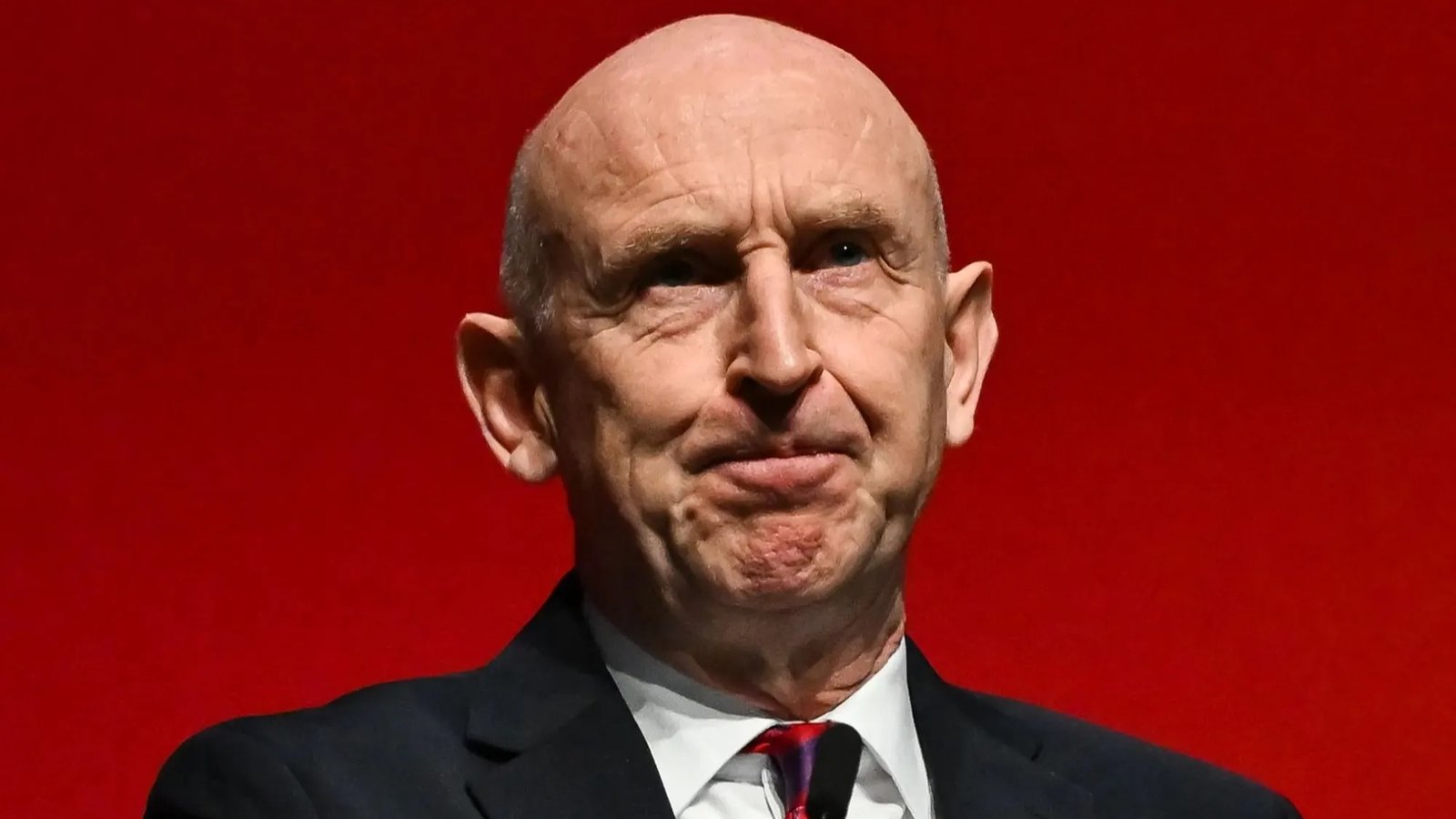
Tories demand John Healey resign unless defence spending target met
The Tories have called for John Healey to resign unless his upcoming Budget fully meets the three per cent defence spending target, reports BritPanorama.
In a significant move, the Chancellor is expected to announce billions of pounds in new defence funds during his first Budget presentation on Wednesday. This announcement follows mounting pressure from various political factions regarding the adequacy of the UK’s military funding.
Healey had previously indicated the need for defence spending to rise to three per cent of GDP by 2030. He resigned as Defence Secretary in June after the former Prime Minister declined to commit to a substantial increase in spending. As such, his forthcoming Budget will be closely scrutinised for a detailed funding plan.
Shadow Chancellor Andrew Griffith has been vocal in his demands for Healey’s accountability. He stated, “By the end of his Budget statement, John Healey must have fully funded three per cent defence spending, or resign.” He highlighted the urgency of the situation, referring to the current geopolitical climate and the perceived threats to national security.
Griffith further described the government’s indecision as problematic, stating, “We are living in an era of extraordinary threats. And yet the Chancellor is dithering over finding the money to pay the country’s insurance premium.” He also mentioned potential plans to outline a path to achieving this target during the 2027 spending review.
On the other hand, the Conservatives have proposed financing defence spending through cuts to benefits, which has sparked a debate about prioritising military funding in the wake of significant global tensions.
Presently, the UK has committed to achieving NATO’s target of spending 3.5 per cent of GDP on defence by 2035; however, the current expenditure stands at approximately 2.6 per cent of GDP. These figures underline the challenges facing the government as it navigates the expectations surrounding military preparedness.
As the Budget approaches, the political landscape remains charged with anticipation, reflecting the critical nature of the decisions that will be made regarding defence spending.
The balance of military expenditure and national security priorities continues to shape discussions in UK politics, accentuating the complexities of governance in a volatile international context.