Bulgarians head to the polls amid economic concerns and drone threat
Bulgarians headed to the polls on Sunday to elect their next president in a campaign centered on growing economic hardship and drone attacks on Black Sea shipping, reports BritPanorama.
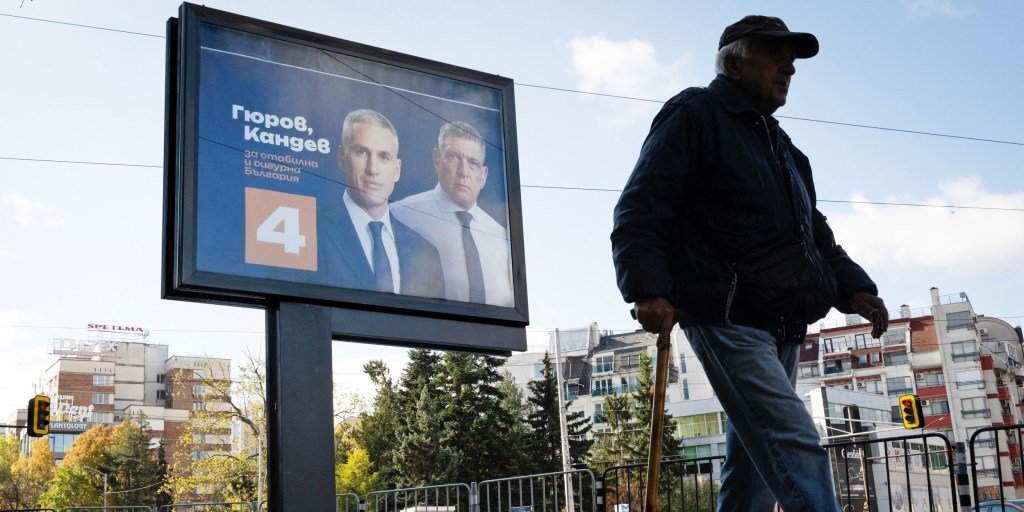
The vote marks a crucial test for the Moscow-friendly Progressive Bulgaria party of Prime Minister Rumen Radev, following its triumph in parliamentary elections in April. Despite the record number of candidates, the outcome is expected to hinge on a runoff between incumbent President Iliana Yotova, backed by Radev’s party, and former caretaker Prime Minister Andrey Gyurov, who is supported by pro-Western opposition parties.
The campaign has focused heavily on Russia’s invasion of Ukraine and escalating hostilities in the Black Sea, where recent drone attacks on commercial vessels off Bulgaria’s coast have intensified security concerns for this European Union and NATO member. These strikes have raised alarms over Russia’s intentions to escalate tensions and prompted the government to seek assistance from Bulgaria’s partners to enhance maritime security.
Candidates have attempted to address public anxiety regarding rising energy prices and inflation, affecting many families, particularly in rural regions. Polling stations opened at 7 a.m. and are scheduled to close at 8 p.m. Initial exit polls are expected to follow, with preliminary results anticipated on Monday.
The election is likely to progress to a runoff, as none of the 27 candidates is projected to secure an outright majority. Turnout must exceed 50% of the 6.6 million registered voters, and projections for Sunday suggest turnout may be less than 40%, pointing to a probable runoff on November 1.
Yotova, a 62-year-old journalist and former member of the European Parliament, is the incumbent president and a front-runner in the race. She previously served as vice president under Radev during his two terms as head of state and took over as president in January 2026 when Radev stepped down to run for parliament. She is now seeking her own mandate.
Running as an independent, Yotova has the official backing of Progressive Bulgaria and the Socialist Party, where her career began. If successful, she would become Bulgaria’s first elected female president. Analysts anticipate she will continue Radev’s policy of maintaining Bulgaria’s European trajectory, coupled with calls for improved relations with Russia and the lifting of sanctions. Both Yotova and Radev have advocated for a diplomatic resolution to the ongoing war in Ukraine.
Addressing supporters at a recent rally, Yotova emphasized her push for “peace through negotiations, rather than force.” Observers indicate that a Yotova victory would keep the presidency aligned with the ruling majority, raising concerns about the concentration of power and its implications for checks and balances within government institutions.
Yotova’s main rival, economist Andrey Gyurov, is a former deputy governor of the central bank and caretaker prime minister who led the country in early 2026. He is backed by the pro-Western reformist opposition and has consistently voiced his support for Ukraine, having signed a security cooperation agreement with Kyiv during his time in office.
“I want Bulgaria to have a voice of its own in Europe. A reliable NATO ally that defends its interests through preparedness, strong diplomacy and a clear position,” he remarked to his supporters this week.
Latest opinion polls suggest Yotova holds an advantage in the first round, with support ranging from 40% to 45%, compared to Gyurov’s 25% to 30%, within a margin of error of 3 percentage points. However, some analysts believe Gyurov could perform better in a runoff, where voters from eliminated candidates may influence the results.
Presidents in Bulgaria are elected directly for a five-year term and may serve no more than two terms. Although the position is largely ceremonial, direct election confers significant political authority, including leadership of the armed forces, legislative veto power, and authority to sign international treaties and appoint ambassadors.