President Paul Biya returned Thursday to Cameroon after more than two months abroad, raising concerns regarding the 93-year-old leader’s health and a potential power vacuum in the Central African country, reports BritPanorama.
Biya arrived at the international airport in the capital, Yaoundé, aboard a flight from Geneva, Switzerland, concluding an absence that marks the longest of his presidency.
Serving since 1982, Biya began his eighth term in office in November following a widely disputed election last October. His current stint continued to fuel speculation about his capabilities, particularly as he frequently delegates governance to party officials and family members during his prolonged stays in Europe.
Having left Cameroon on June 7 for what was described as a “brief private stay in Europe,” Biya’s absence raised questions about the country’s governance, as there is no vice president appointed to maintain continuity in leadership. The opposition has depicted the situation as the country being run on “autopilot.”
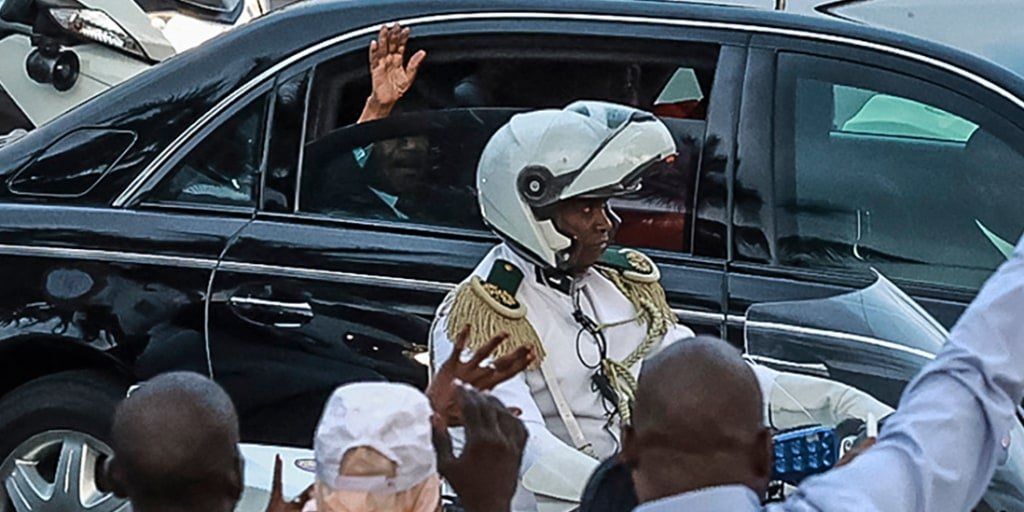
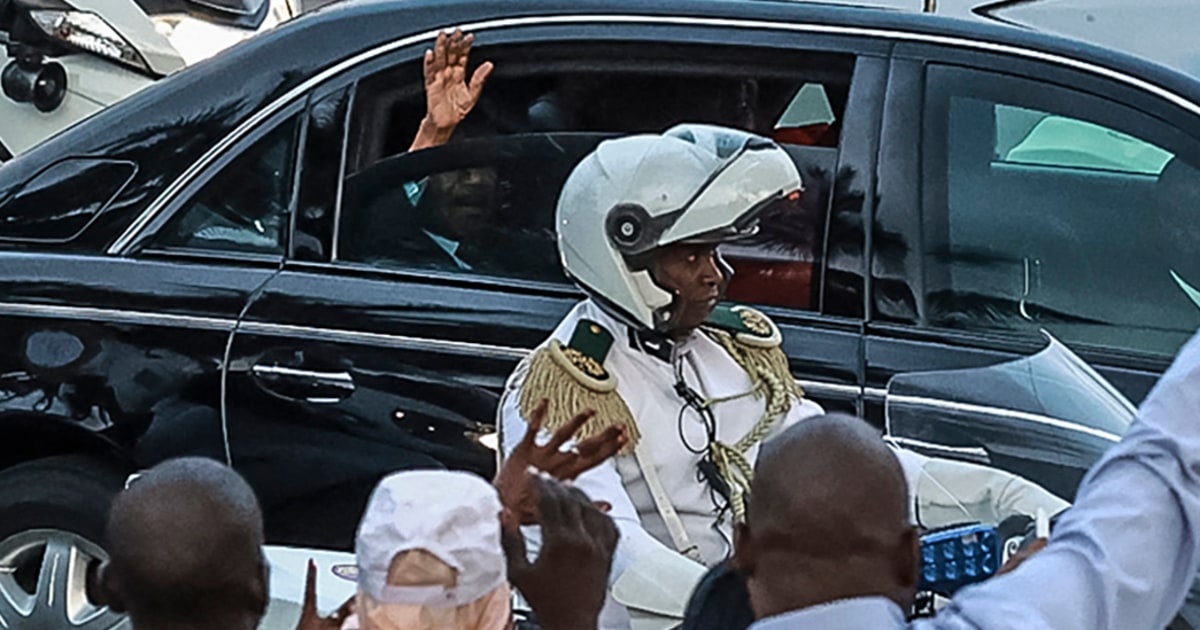
Upon his arrival, Biya’s close associates were present, but there were no media briefings, and he was seen greeting supporters from his vehicle rather than addressing the public directly.
His near half-century in power reflects mixed results. Cameroon is facing armed insurgencies from Boko Haram in the north and separatists in the west, amidst a stagnant economy, leading to widespread disillusionment among young people.
Biya’s re-election last year incited protests that resulted in at least 16 fatalities, according to government figures, highlighting significant discontent with the aging president among the predominantly young population. Over 70% of Cameroonians are under 35, further complicating his leadership in a country where many citizens have never known a leader outside Biya.
In April, the parliament reinstated the position of vice president, a move criticized by opposition figures as a consolidation of power, given Biya’s discretion in appointing and dismissing the postholder and outlining the role’s responsibilities.